

How Heavy Spring Rain Affects Your Private Well Water Quality
February 1, 2026
Spring rain is essential for replenishing groundwater, but it can also introduce new risks for homeowners who rely on private wells. Heavy rainfall increases surface runoff and changes underground water flow, which can directly impact safety and clarity. Understanding how heavy spring rain affects private well water quality helps homeowners protect their drinking water before problems develop.
Why Spring Rain Poses a Risk to Private Wells
Unlike municipal water systems, private wells draw directly from groundwater sources. During periods of heavy rain, contaminants from the surface can seep into the soil and enter the aquifer.
This makes private well water quality more vulnerable in spring than at other times of the year.

Surface Runoff and Contamination
Heavy rain increases runoff from nearby land. Fertilizers, pesticides, animal waste, and other pollutants can be carried into the ground surrounding a well.
If a well is shallow or improperly sealed, runoff contamination can quickly reach the water supply, affecting taste, odor, and safety.
Bacterial Contamination After Heavy Rain
One of the most common concerns after major rainfall is bacterial contamination. Coliform bacteria and E. coli can enter groundwater when surface water infiltrates the well.
Well water contamination after heavy rain often goes unnoticed without testing, making routine checks especially important in spring.
Sediment and Cloudy Water Issues
Increased groundwater movement can disturb sediment at the bottom of a well. This may cause cloudy or discolored water after storms.
While sediment itself is not always harmful, it can indicate changes in water flow and may interfere with plumbing fixtures and filtration systems.
Changes in Taste and Odor
Spring rain can alter mineral concentrations in groundwater. These changes may lead to metallic tastes, sulfur smells, or earthy odors.
Taste and odor changes are often early warning signs that well water quality has been affected.
Flooding and Wellhead Vulnerability
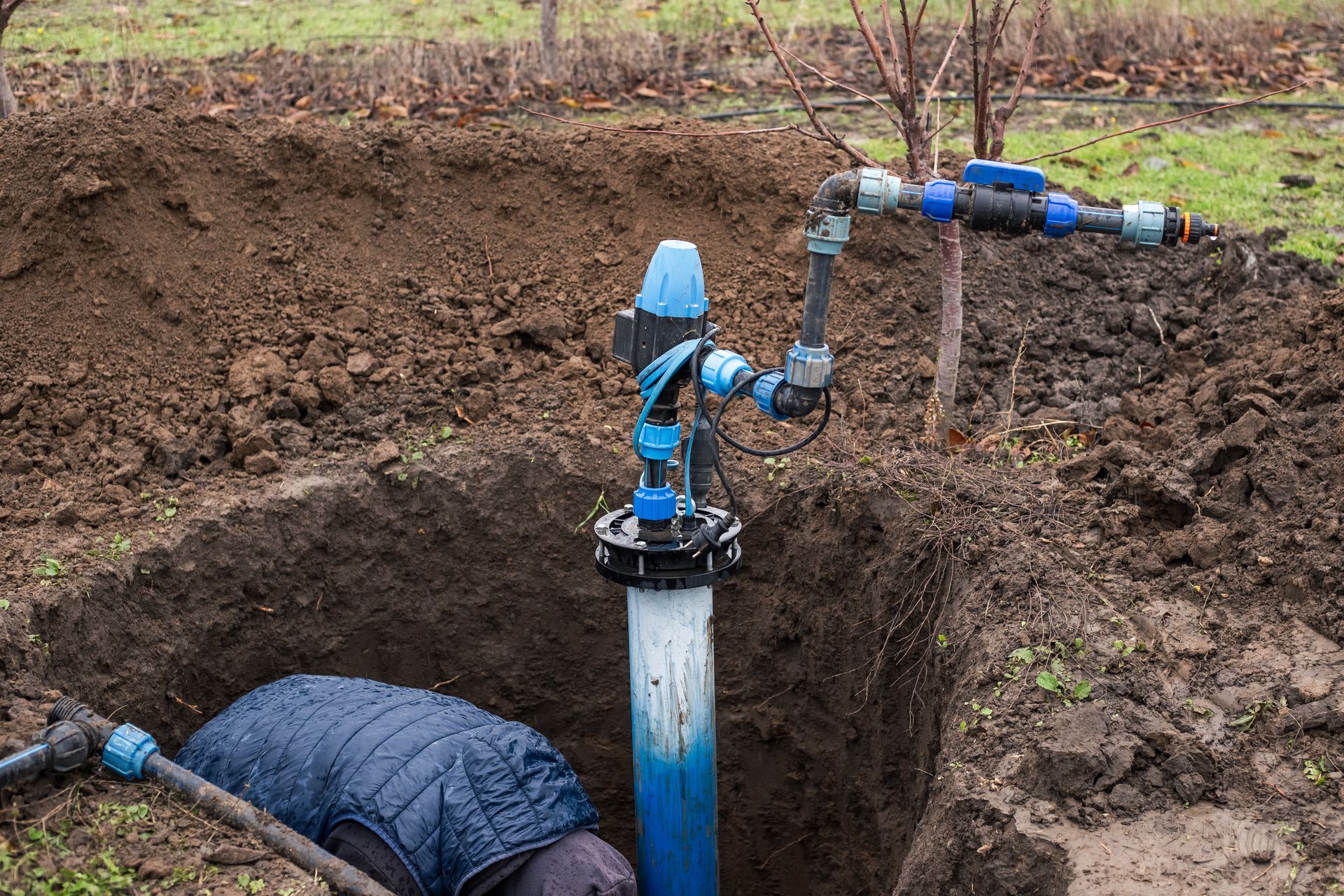
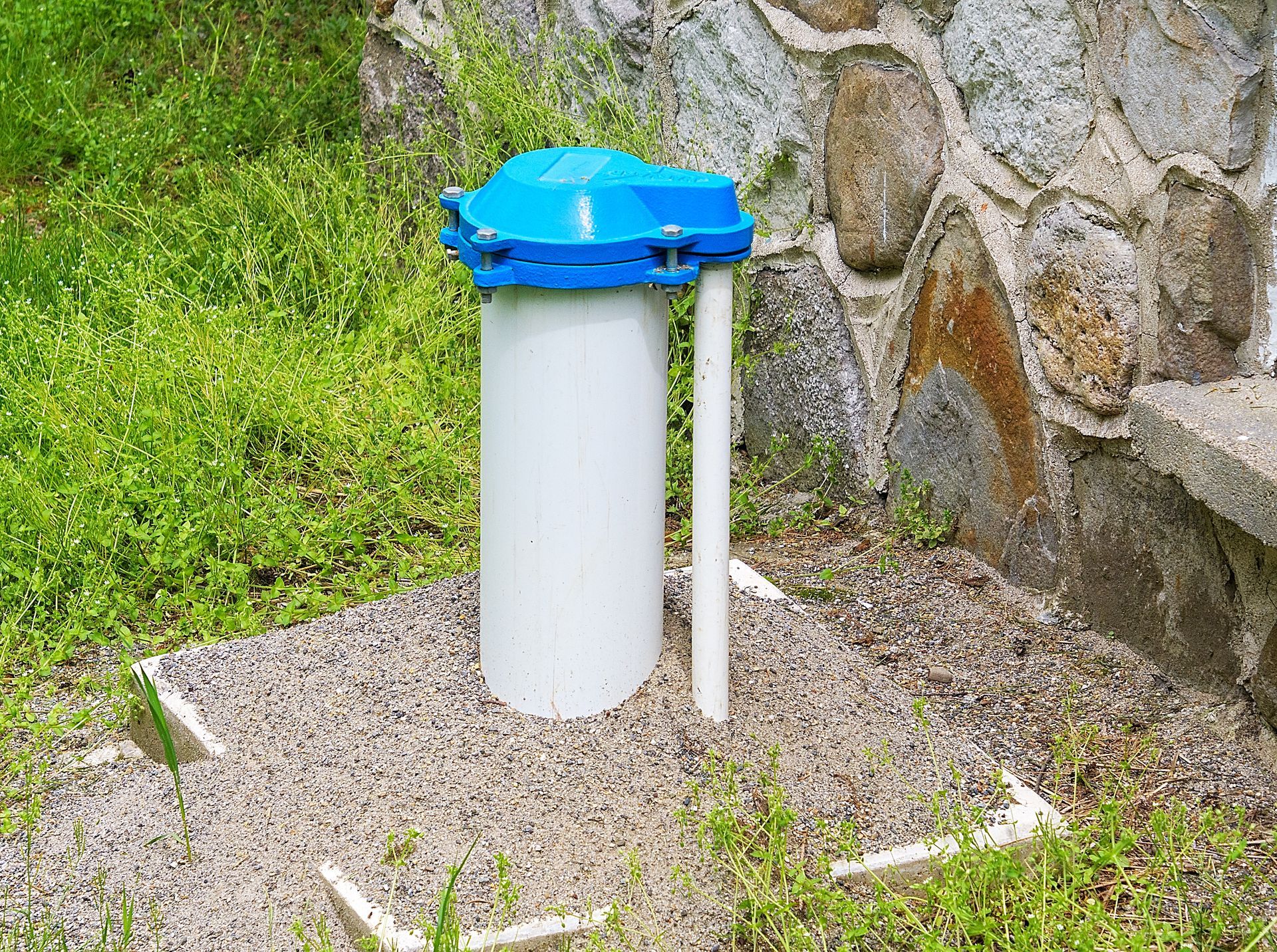
Flooded areas pose a significant risk to private wells. If floodwater reaches the wellhead, contaminants can enter directly.
Proper wellhead protection and elevation are critical to preventing direct contamination during heavy storms.
Why Spring Well Water Testing Matters
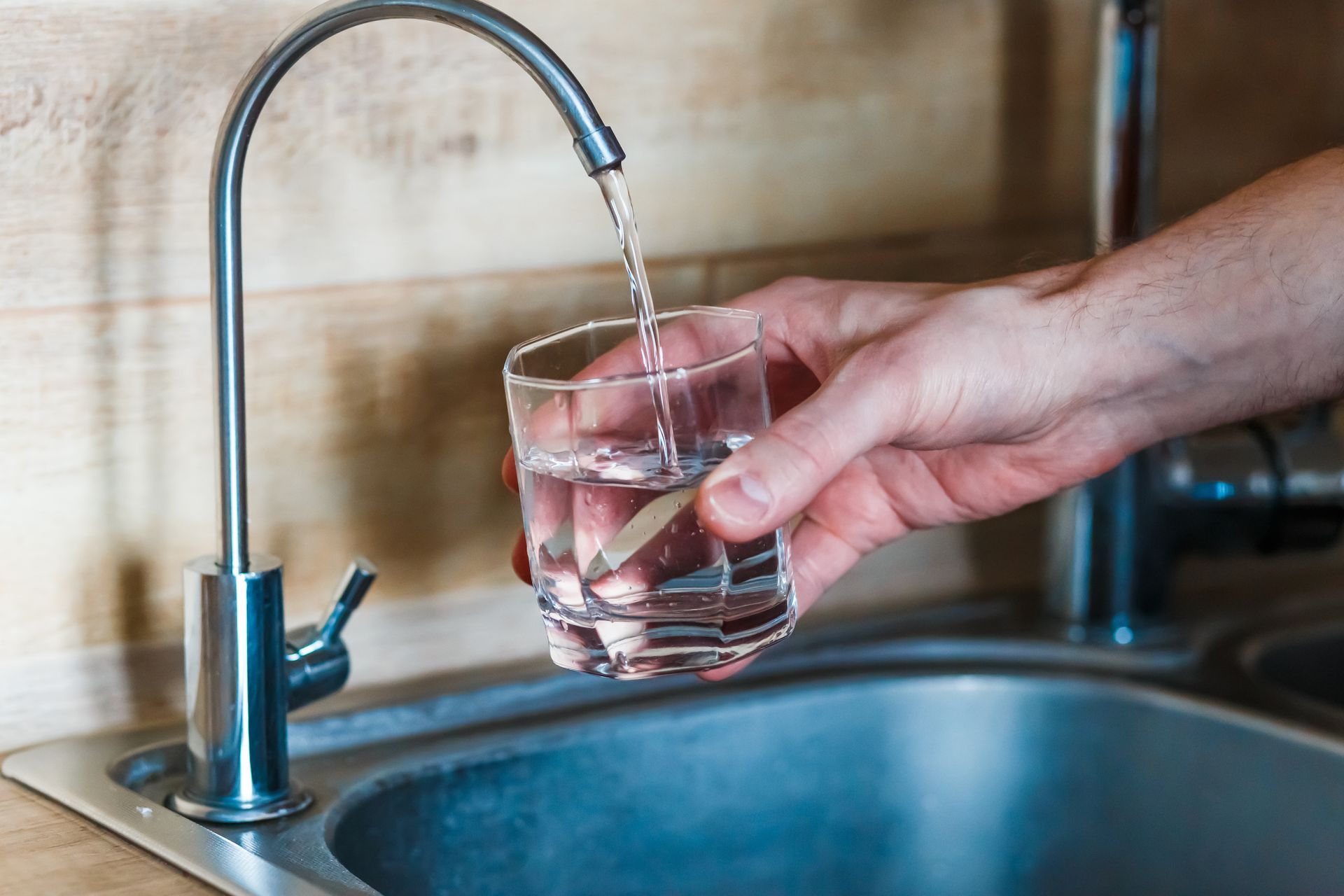
Testing is the only reliable way to confirm water safety. Spring well water testing helps identify bacteria, nitrates, and other contaminants before they affect health.
Annual testing is recommended, with additional testing after heavy rain events or flooding.
How Water Treatment Systems Help Protect Well Water
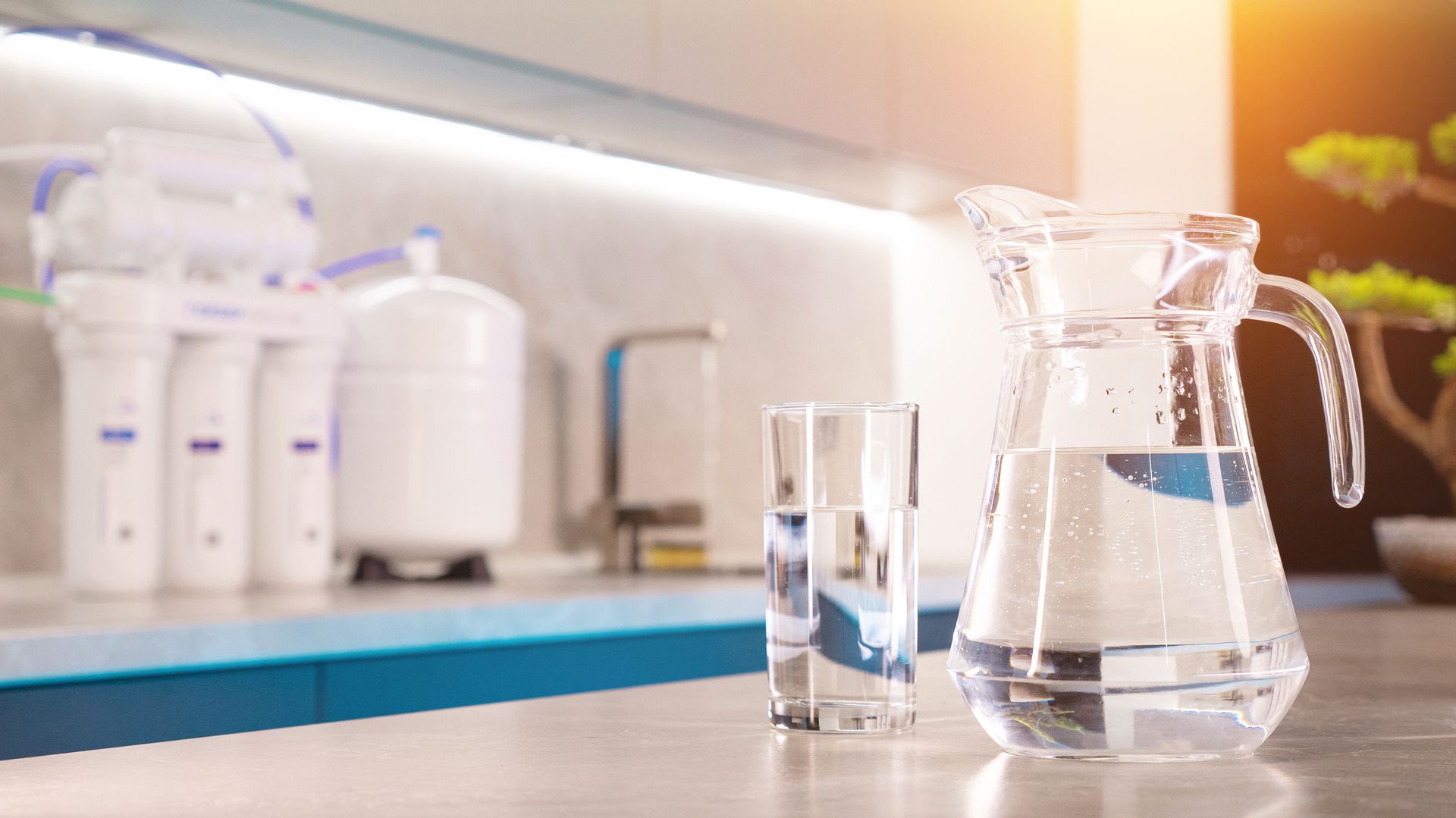
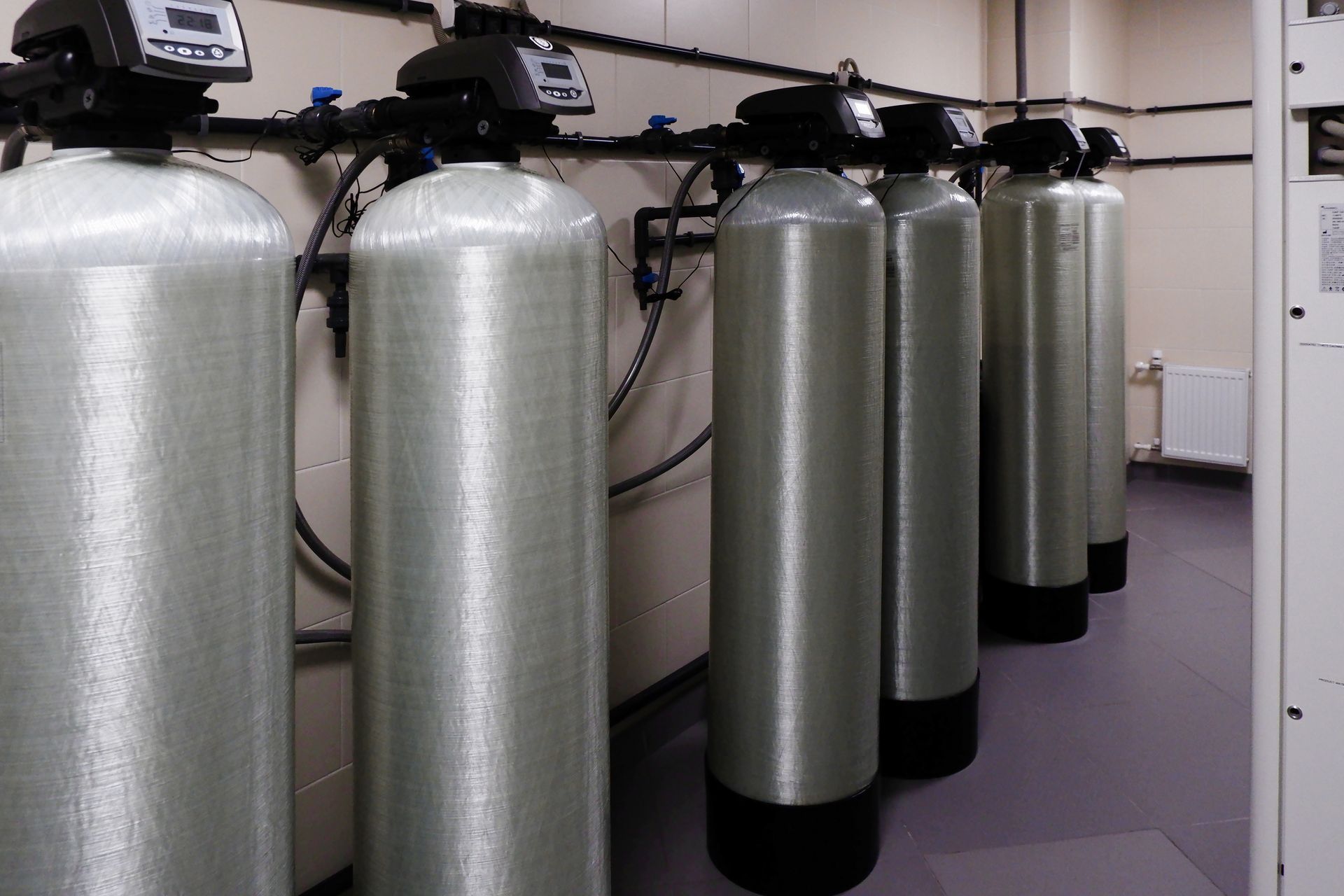
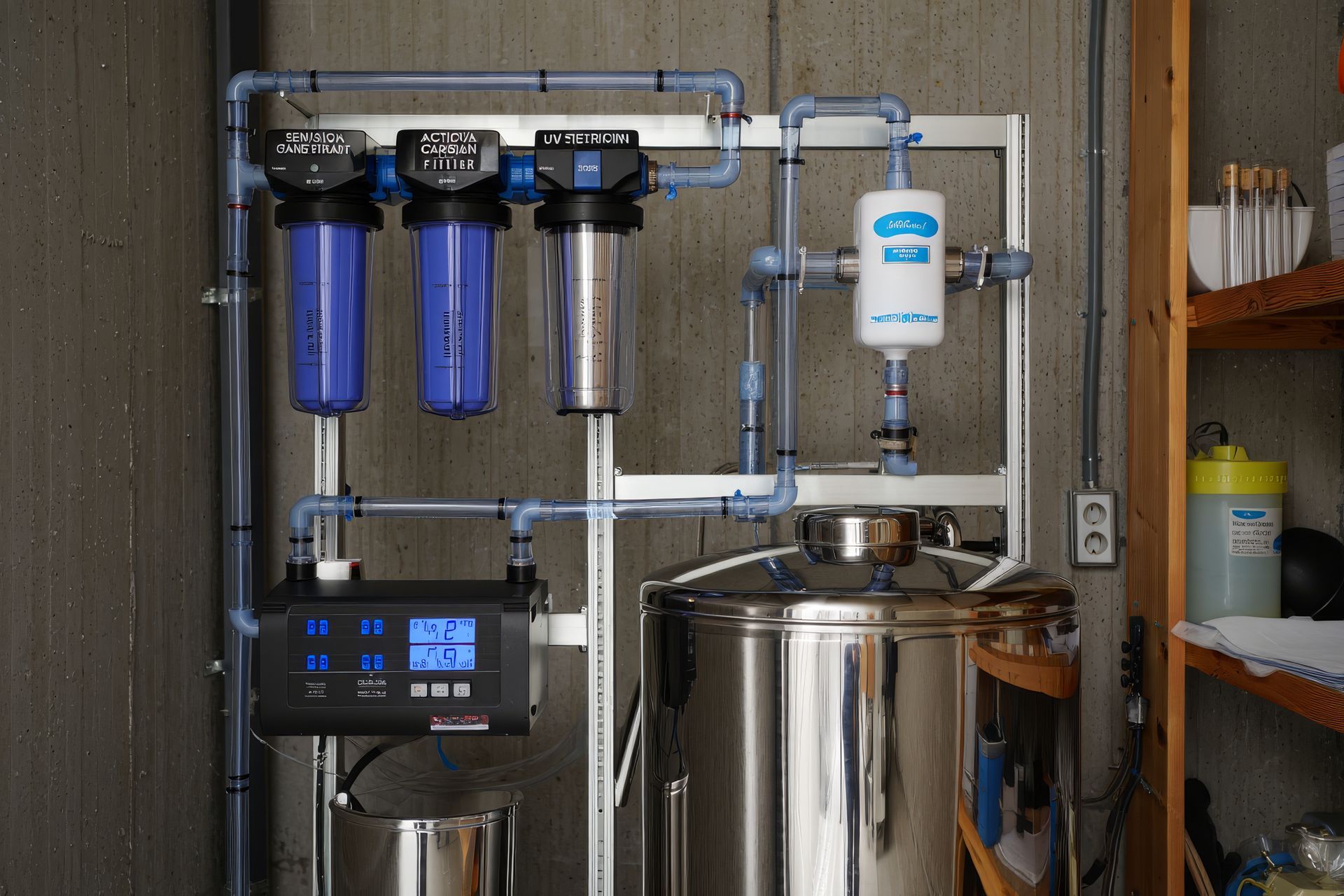
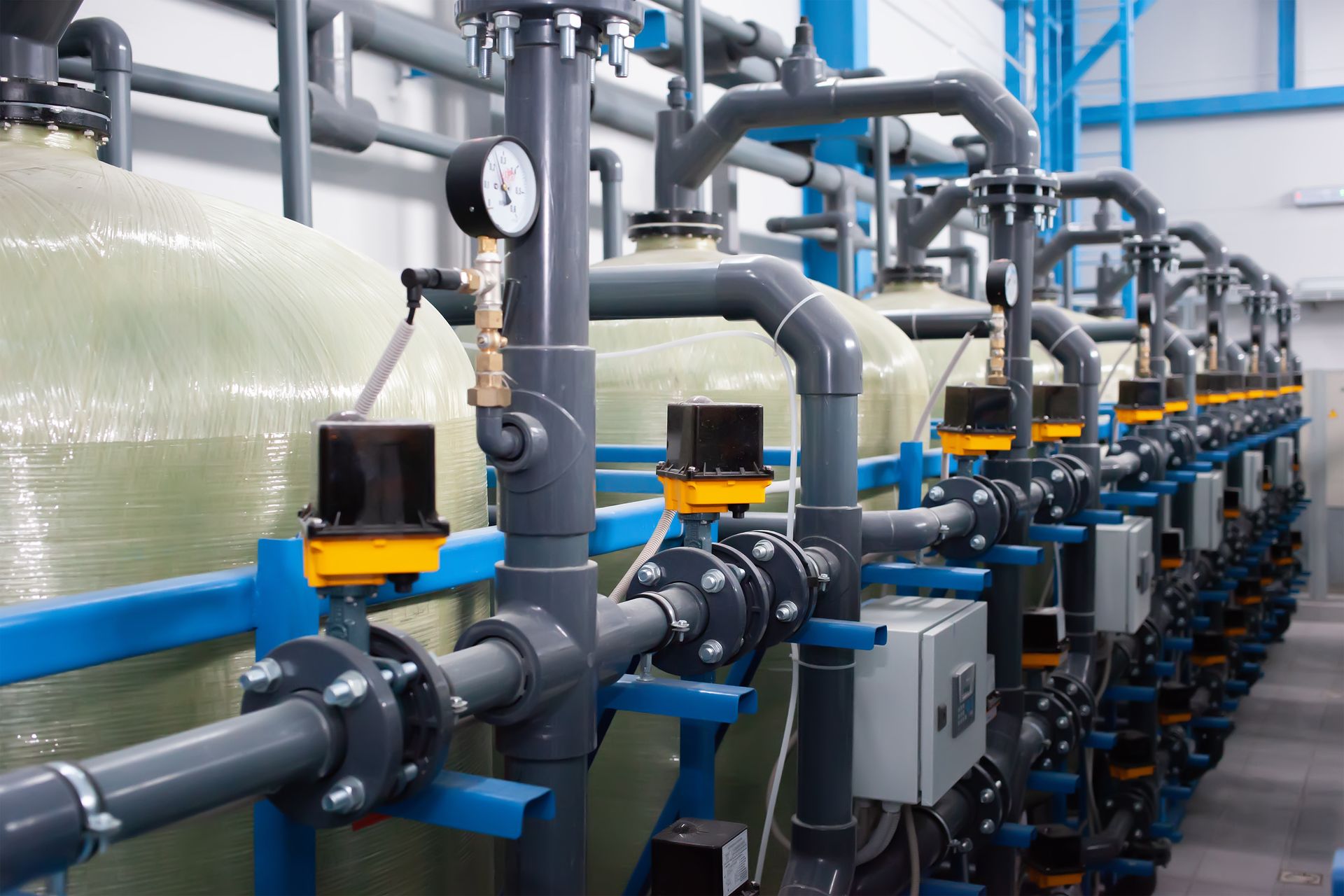
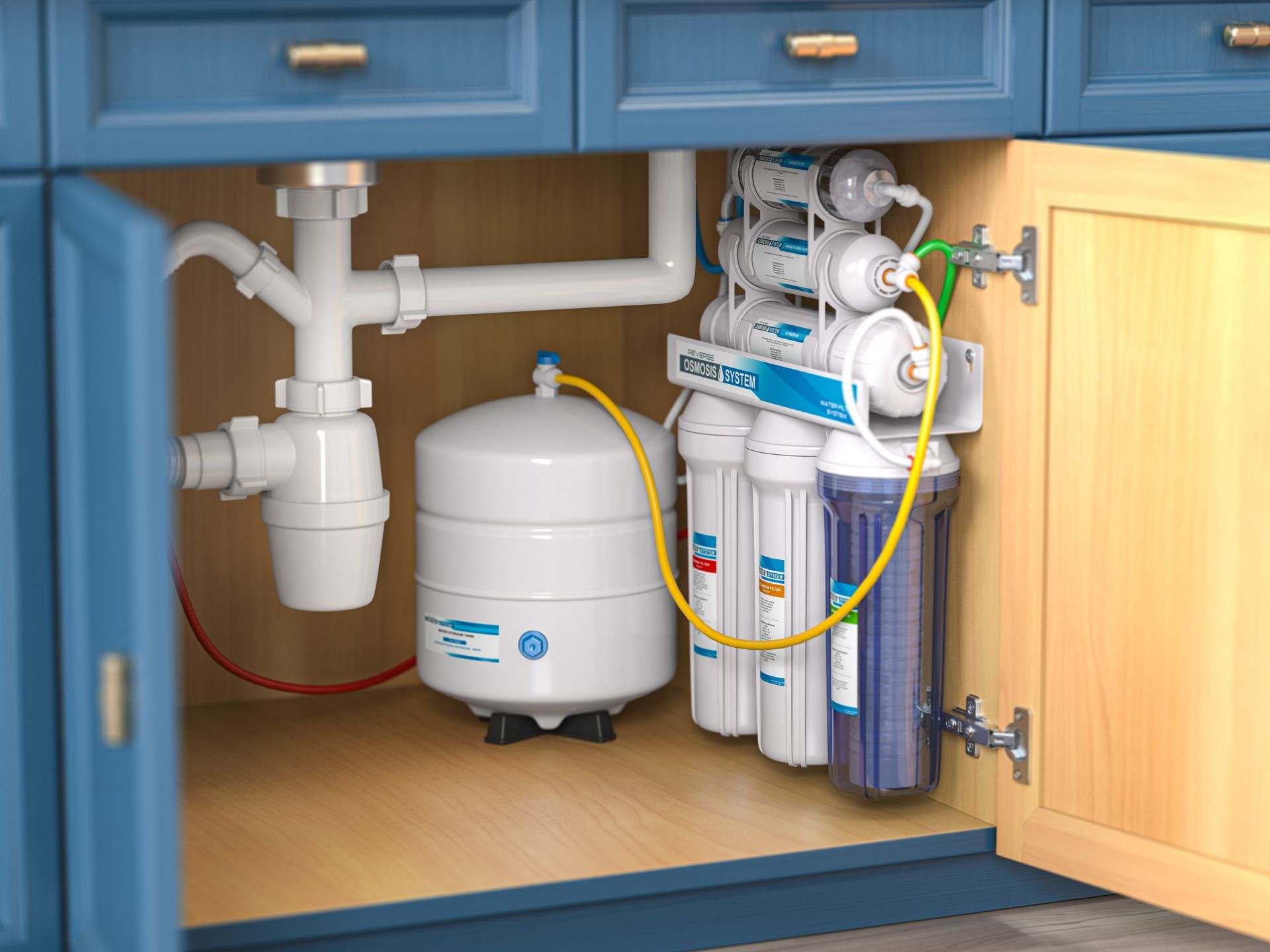
Filtration and disinfection systems play a key role in maintaining safe drinking water. Water softeners, filtration units, and disinfection systems help remove sediment, bacteria, and harmful contaminants.
The right treatment solution depends on water test results and local groundwater conditions.
Keeping Your Well Water Safe This Spring
Heavy spring rain can significantly impact private well water quality, from bacterial contamination to sediment and mineral changes. Monitoring water conditions and testing regularly helps homeowners respond early and protect their household water supply. Whittaker Water Tech provides professional well water testing and treatment solutions designed to safeguard private wells and ensure clean, reliable water throughout the spring season and beyond.