Temperature Changes
and Water Chemistry
Cold temperatures can alter how minerals and contaminants behave in water. As water cools, certain minerals may become more concentrated, contributing to
hard water problems such as scale buildup and reduced appliance efficiency.
These seasonal shifts can affect taste, clarity, and overall
drinking water quality.
Frozen Pipes and Contamination Risks
When pipes freeze, pressure buildup can cause cracks or breaks. Once temperatures rise, contaminants from surrounding soil or debris may enter the system through compromised pipes.
Frozen pipes increase the risk of bacteria and sediment entering the water supply, especially in older plumbing systems.
Changes in Municipal Water Treatment
Municipal water systems adjust treatment processes during winter to account for temperature changes and varying demand. These adjustments can sometimes lead to noticeable changes in taste, odor, or chlorine levels.
Understanding these seasonal shifts helps explain short term changes in
tap water quality
during colder months.
Well Water Challenges in Winter
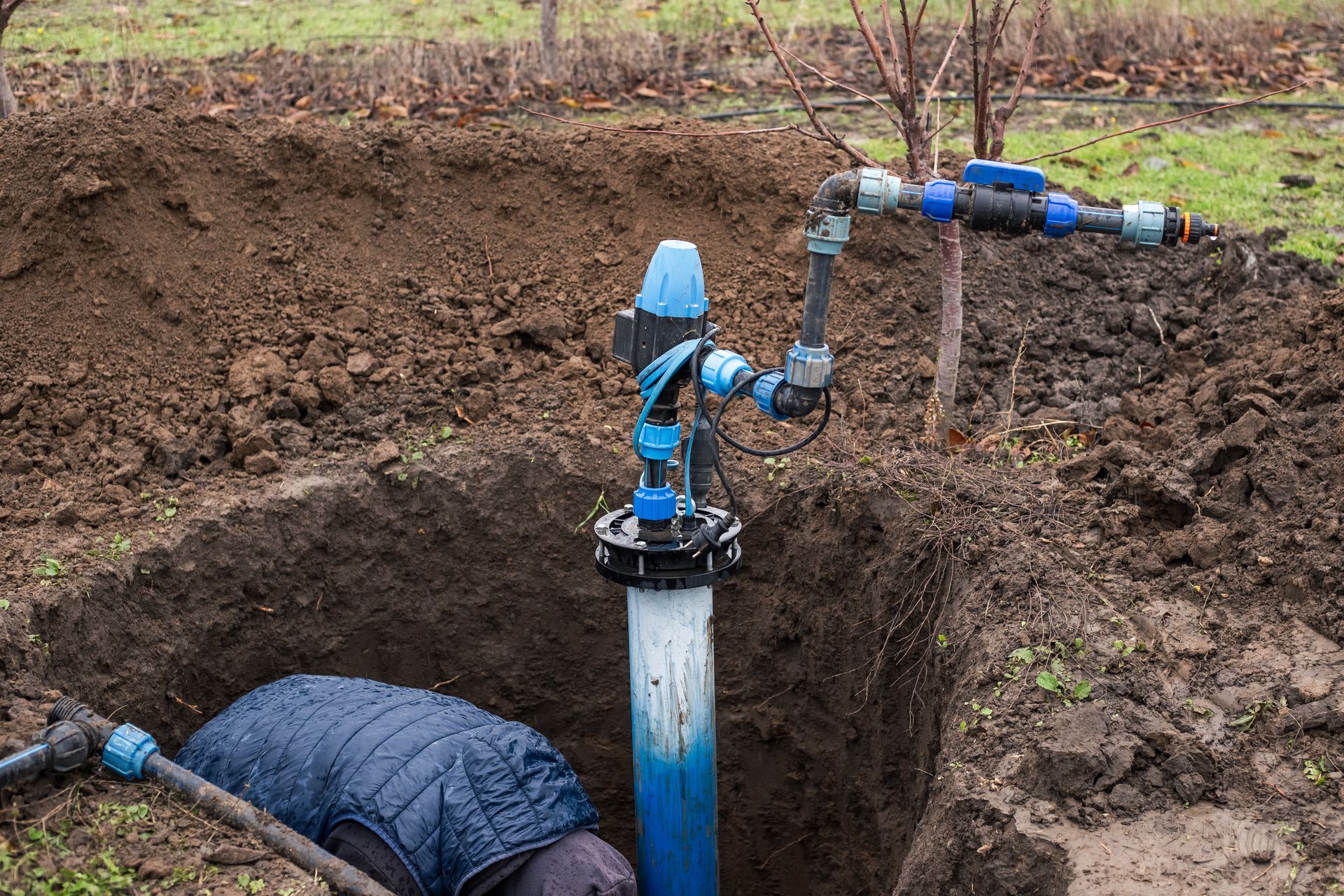
Homes using private wells may experience unique winter water issues. Snowmelt and freezing ground conditions can affect groundwater flow, potentially introducing sediment or surface contaminants.
Monitoring
well water quality during winter is especially important for maintaining safe household water.
Impact on Water Treatment Systems
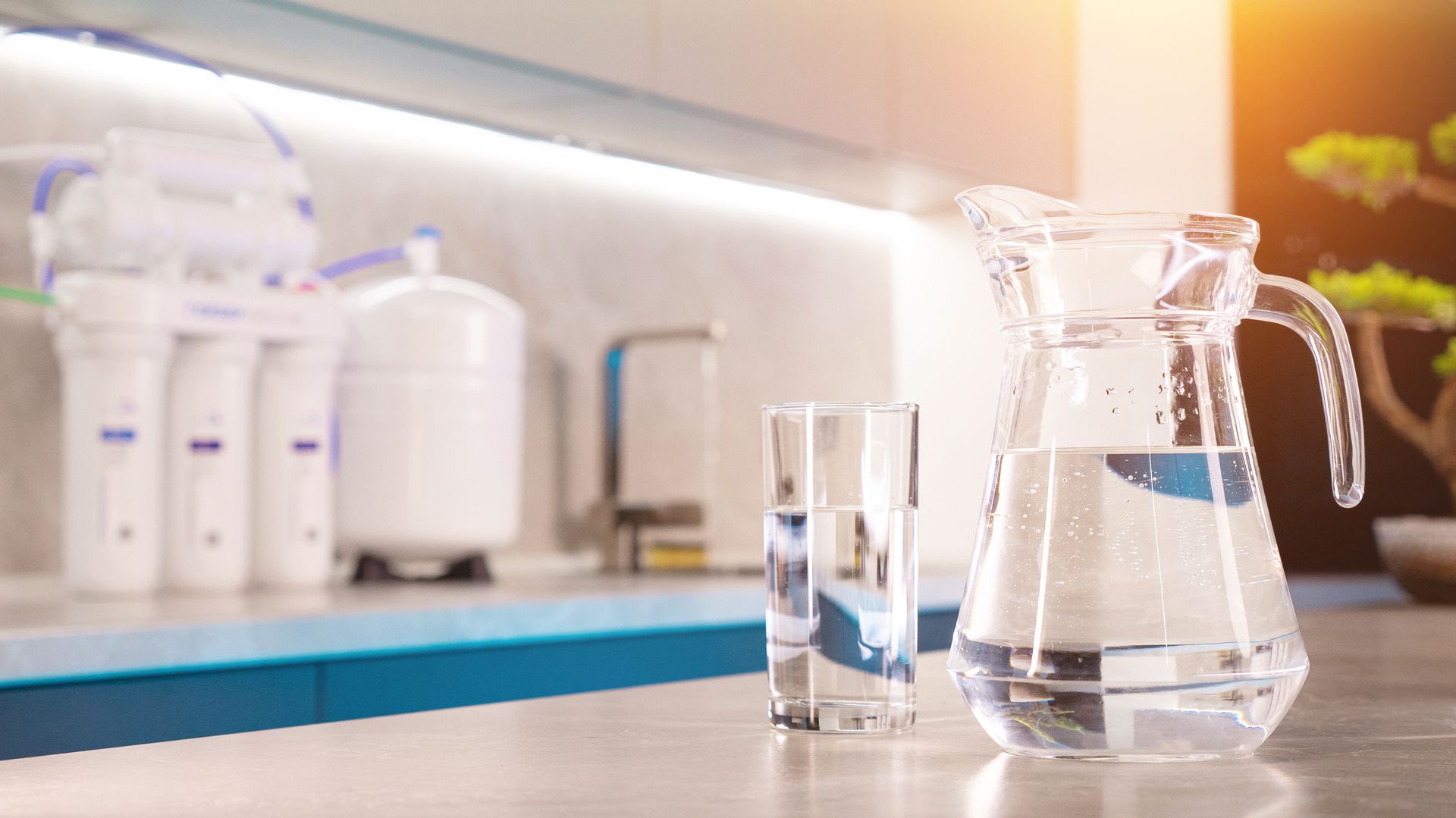
Cold weather can reduce the efficiency of
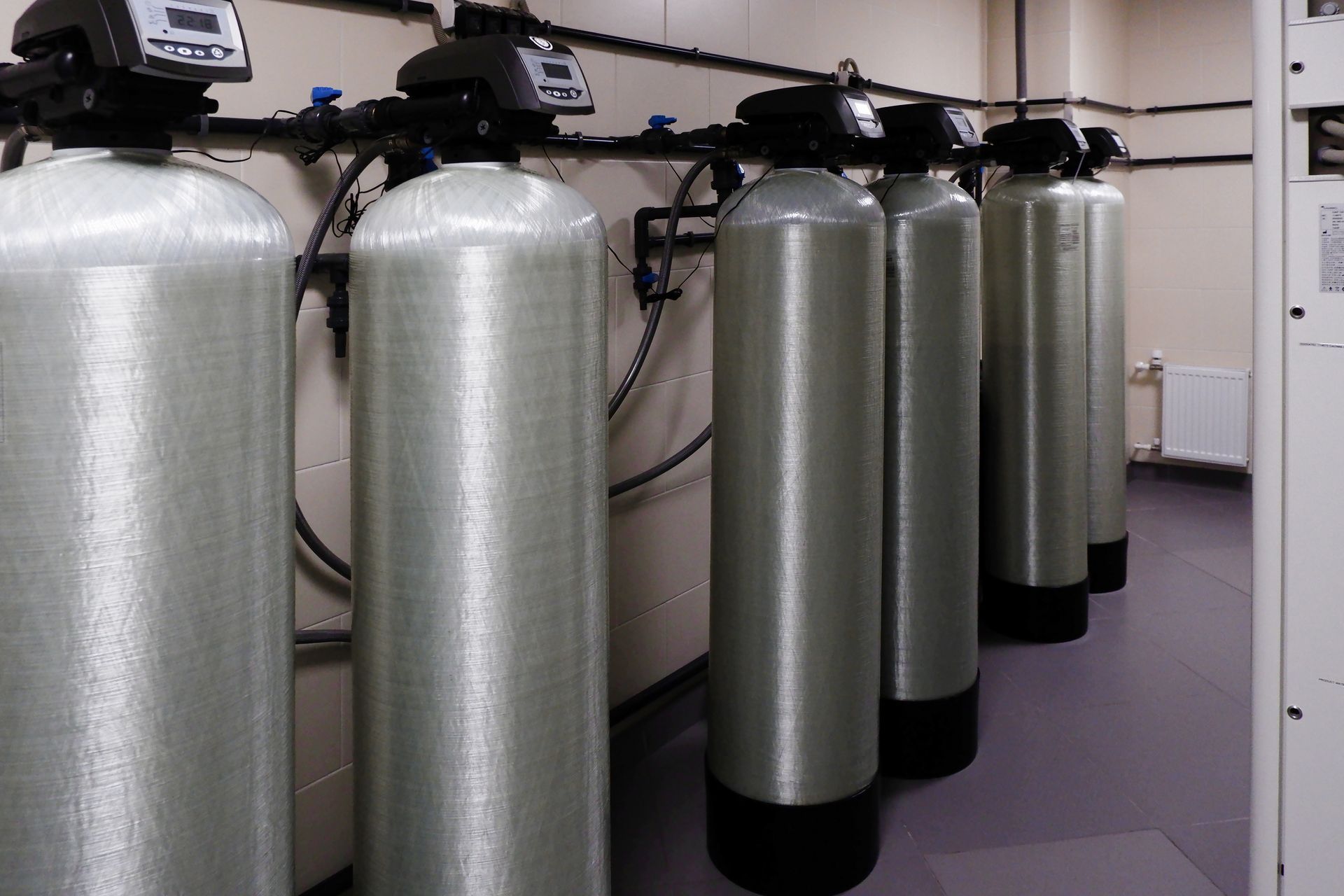
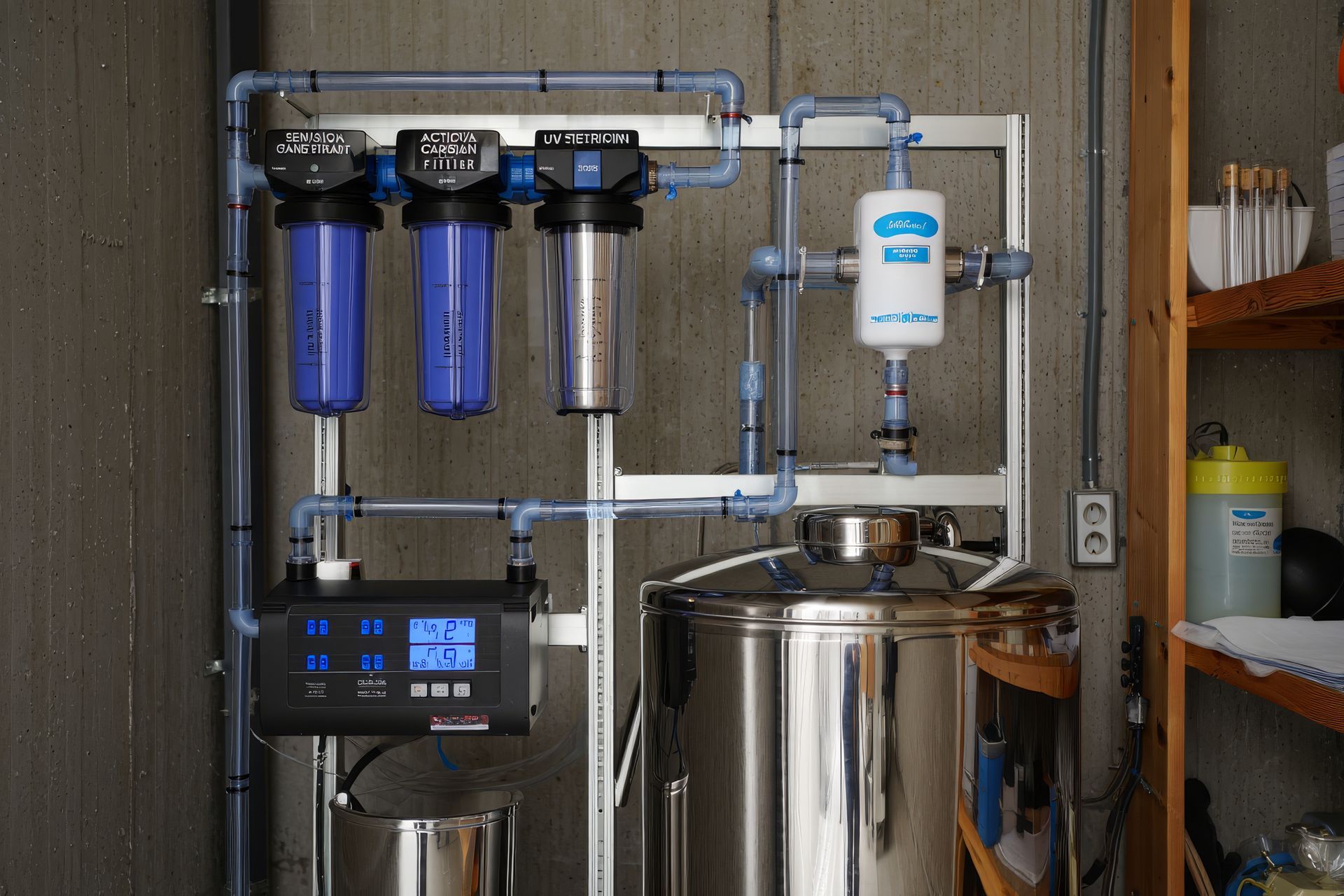
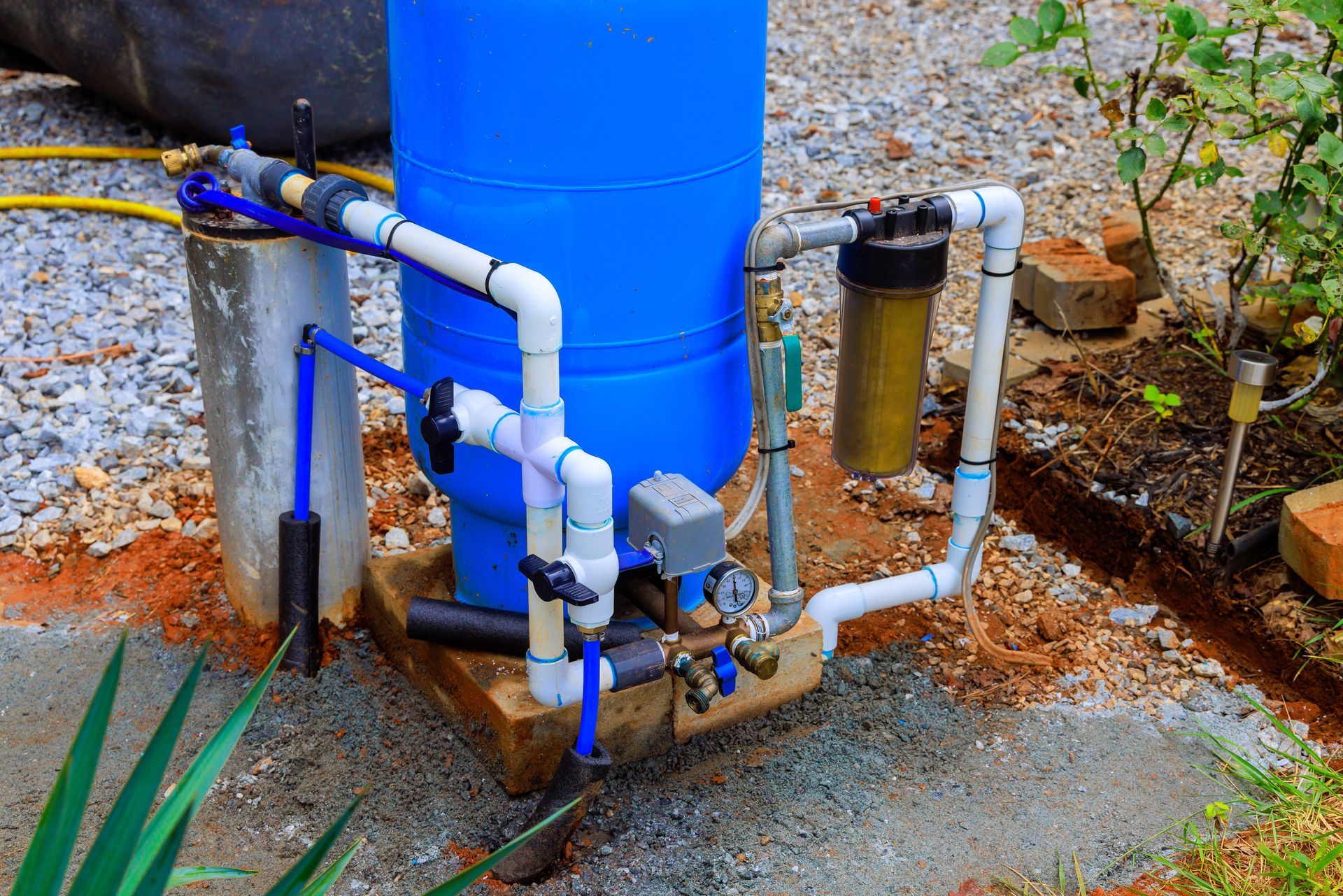
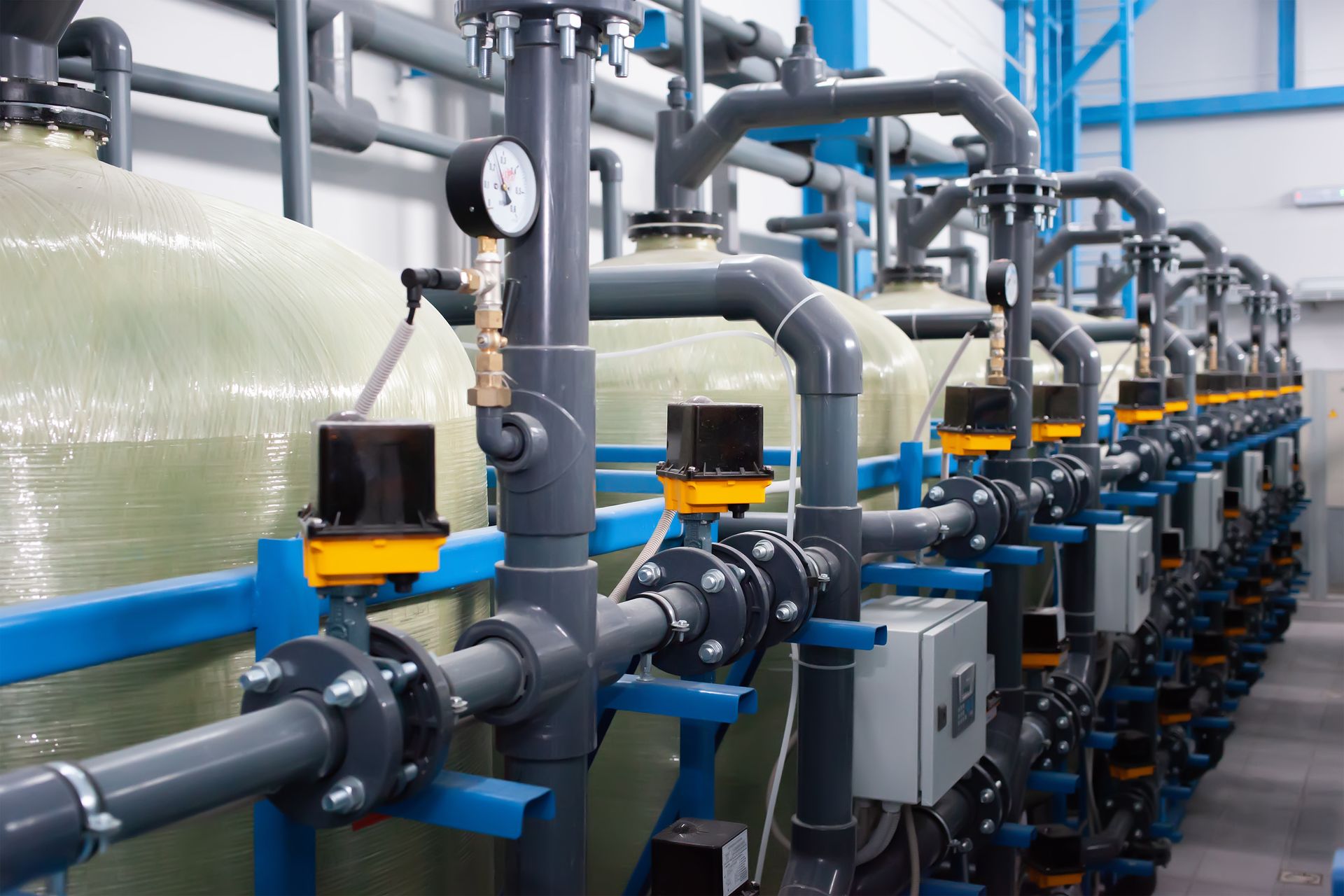
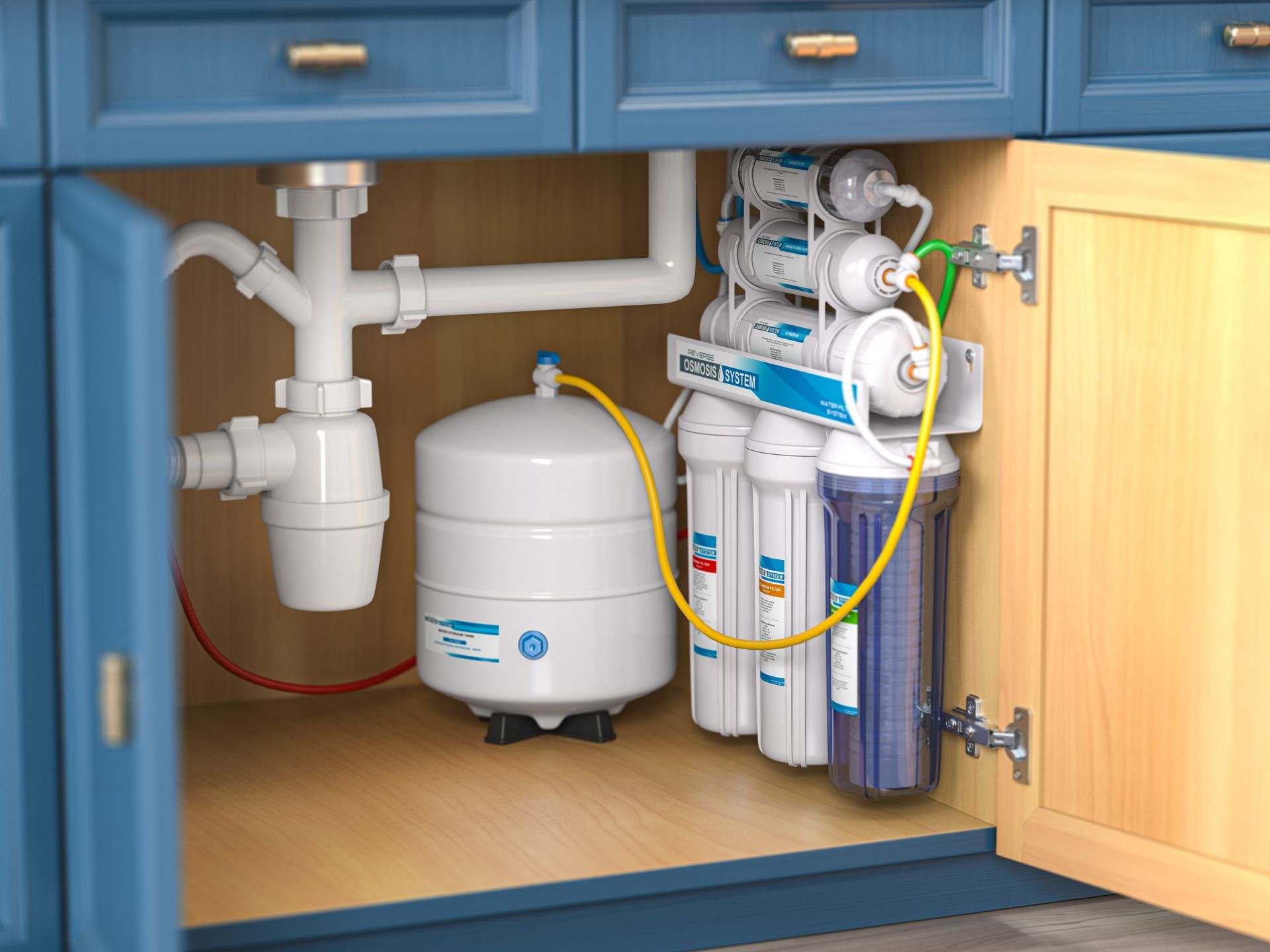
water treatment systems, including water softeners and filtration units. Freezing temperatures may affect system components, flow rates, and regeneration cycles.
Regular maintenance helps ensure
water filtration systems continue operating properly throughout winter.
Increased Sediment and Cloudiness
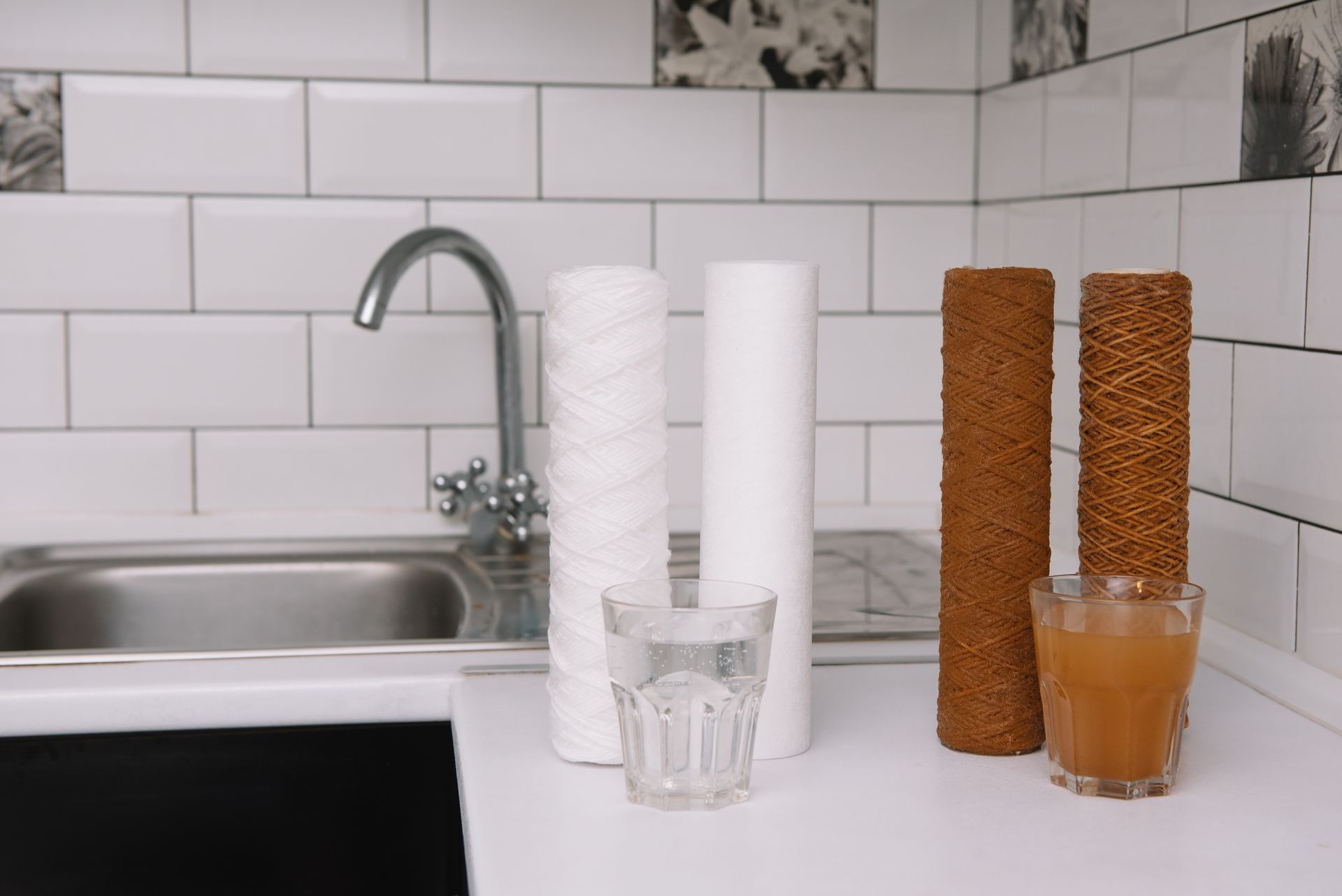
Winter conditions can stir up sediment within pipes due to pressure changes or ground movement. This may cause cloudy water, discoloration, or visible particles.
Addressing sediment issues supports better
water clarity and protects plumbing fixtures and appliances.
Preventing Winter Water Quality Issues
Protecting water quality during winter involves insulating pipes, maintaining consistent indoor temperatures, and scheduling routine system checks. Preventative measures reduce the risk of contamination, freezing, and performance issues.
Proactive
winter water system maintenance helps ensure consistent water quality all season long.
Conclusion
Cold weather can impact
water quality in several ways, from mineral concentration changes and frozen pipe risks to reduced treatment system efficiency. Understanding
how cold weather affects water quality allows homeowners to take steps that protect their water supply during winter.
Whittaker Water Tech provides expert
water treatment services, system maintenance, and winter support solutions to help ensure clean, reliable water throughout the coldest months of the year.