How Freezing Temperatures Affect Water Treatment Systems
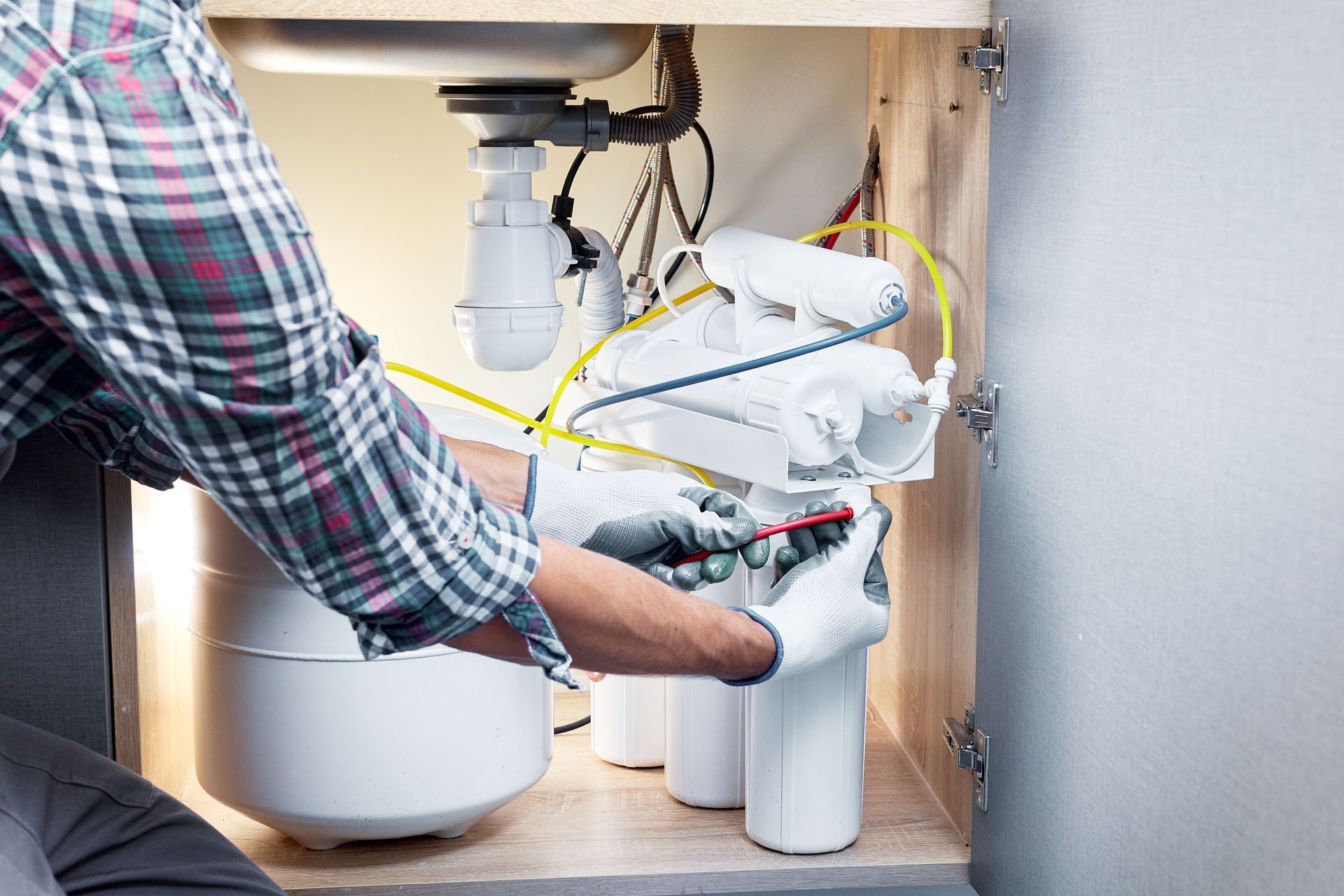
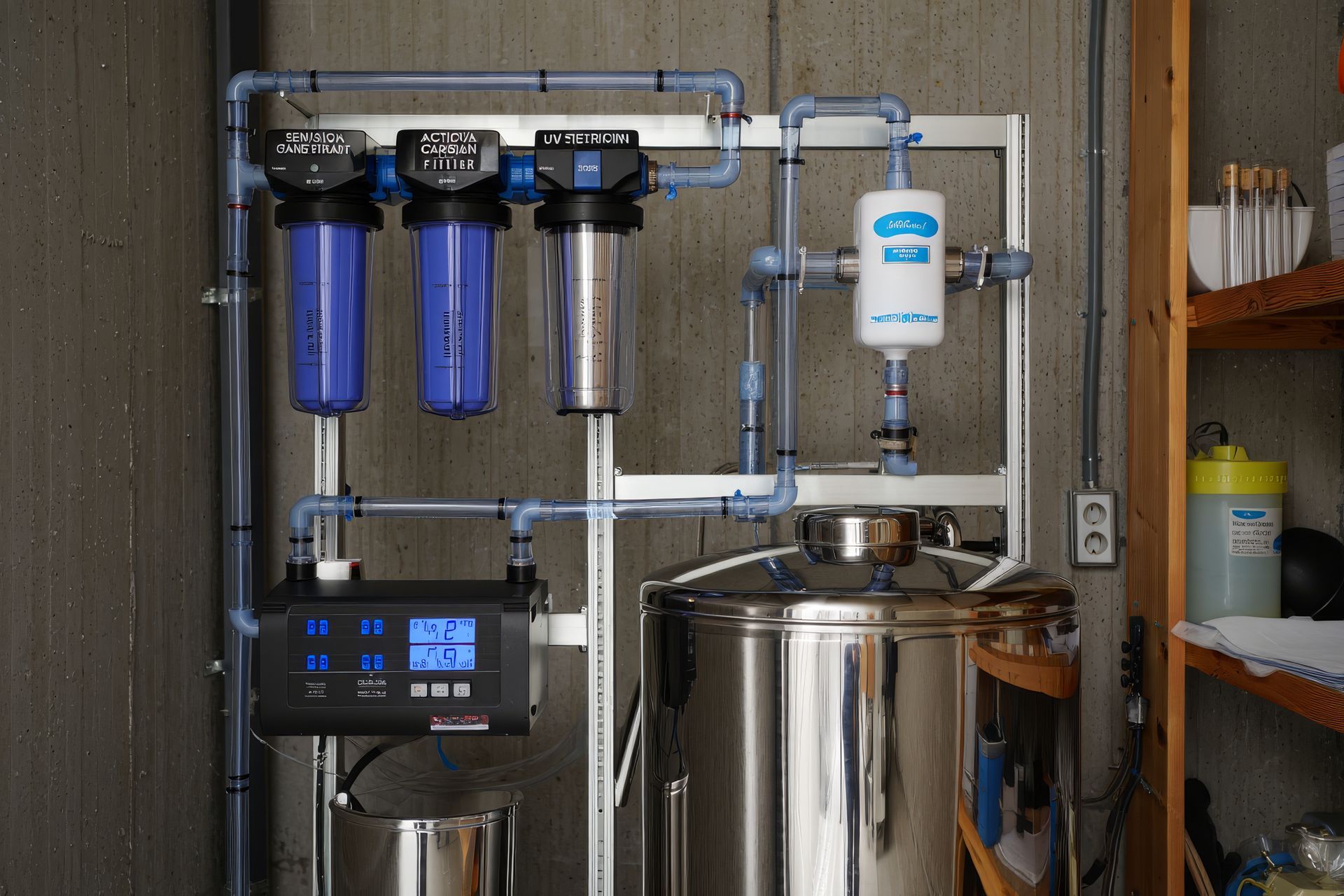
Cold weather can slow water flow, increase pressure inside pipes, and cause vulnerable components to freeze. Systems located in basements, garages, crawl spaces, or near exterior walls face the highest risk. When temperatures drop below freezing, untreated exposure can damage filters, valves, and tanks within your
water filtration system.
Common Winter Issues for Water Treatment Equipment
Frozen Pipes and Lines
Water expands when it freezes, which can crack pipes connected to treatment systems. Frozen lines can stop water flow completely and cause leaks once thawing begins.
Reduced Water Pressure
Cold weather may restrict water movement through filters or softeners, leading to noticeable pressure drops throughout the home.
Salt Bridging in Water Softeners
Low temperatures and humidity changes can cause salt to harden inside brine tanks. This prevents proper regeneration and reduces the effectiveness of
water softener systems.
Cracked Filter Housings
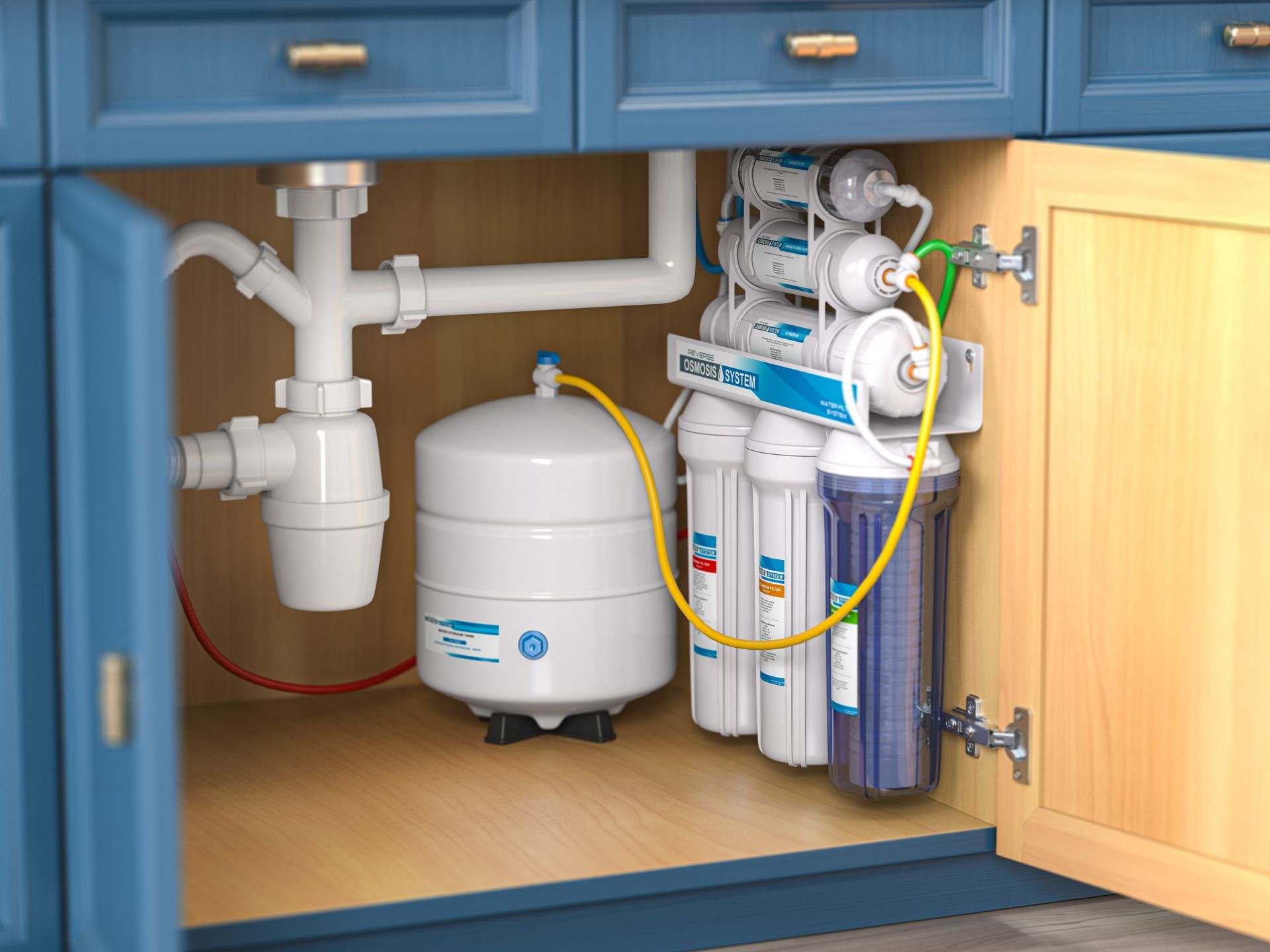
If water inside filter housings freezes, it can cause cracking or separation, leading to leaks and reduced filtration performance.
Well Water Systems Face Additional Risks
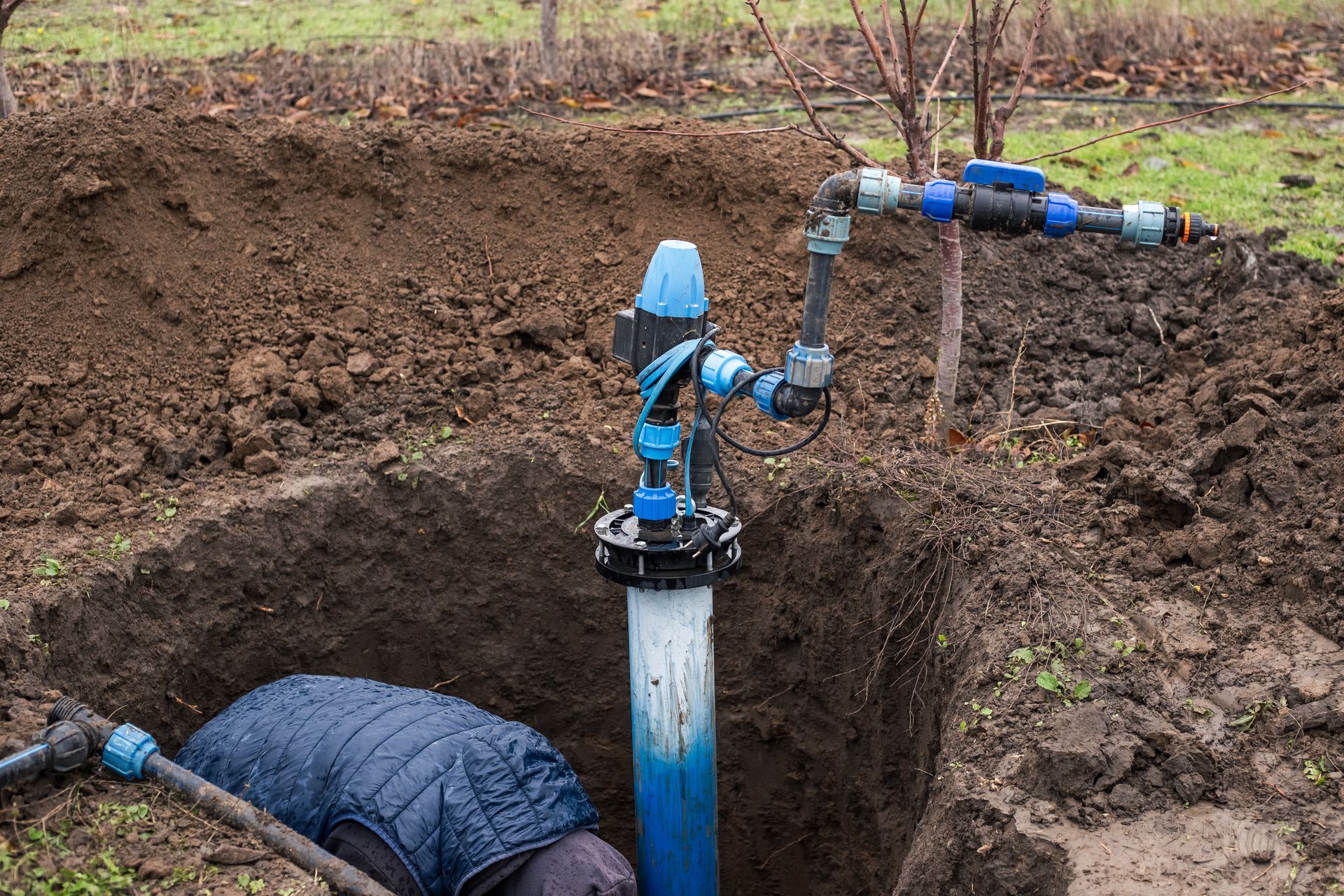
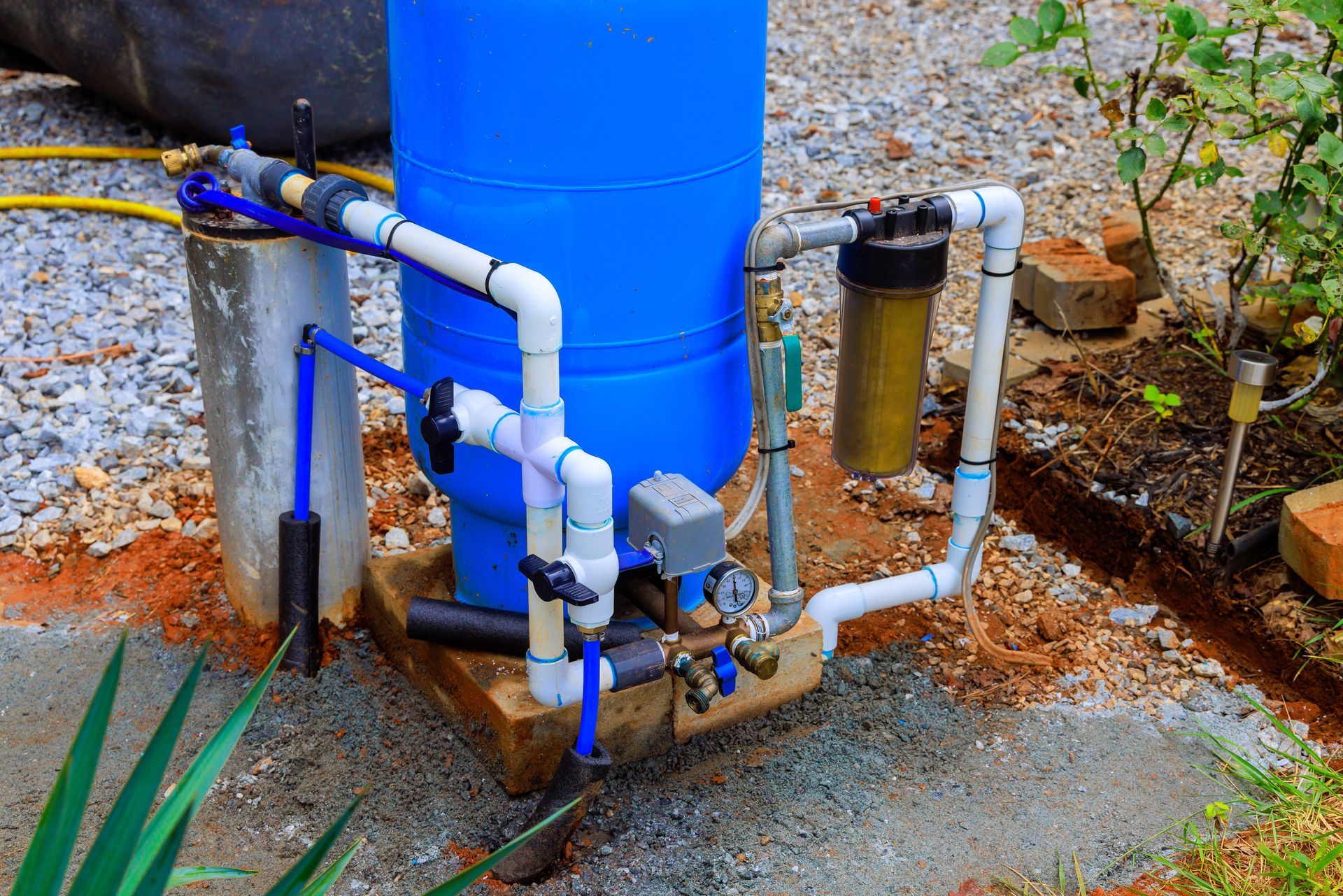
Homes that rely on well water may experience more winter related challenges. Frozen well caps, pressure tanks, or supply lines can disrupt water delivery. Monitoring
well water treatment systems during winter is especially important to prevent downtime and contamination risks.
How to Protect Your Water Treatment System in Winter
Insulate Exposed Components
Use insulation sleeves or wraps on pipes, tanks, and filter housings located in cold areas.
Maintain Indoor Temperatures
Keep utility spaces above freezing, especially overnight or during extended cold spells.
Check Salt Levels Regularly
Ensure your water softener has proper salt levels and break up hardened salt if needed.
Schedule Seasonal Maintenance
Routine inspections before winter help identify vulnerabilities and prevent emergency repairs.
Protect Outdoor Equipment
Disconnect hoses and insulate outdoor connections to reduce freeze risks.
These steps help maintain consistent performance of your
home water treatment system throughout winter.
Warning Signs of Winter Related System Problems
Homeowners should watch for signs such as:
- Sudden drops in water pressure
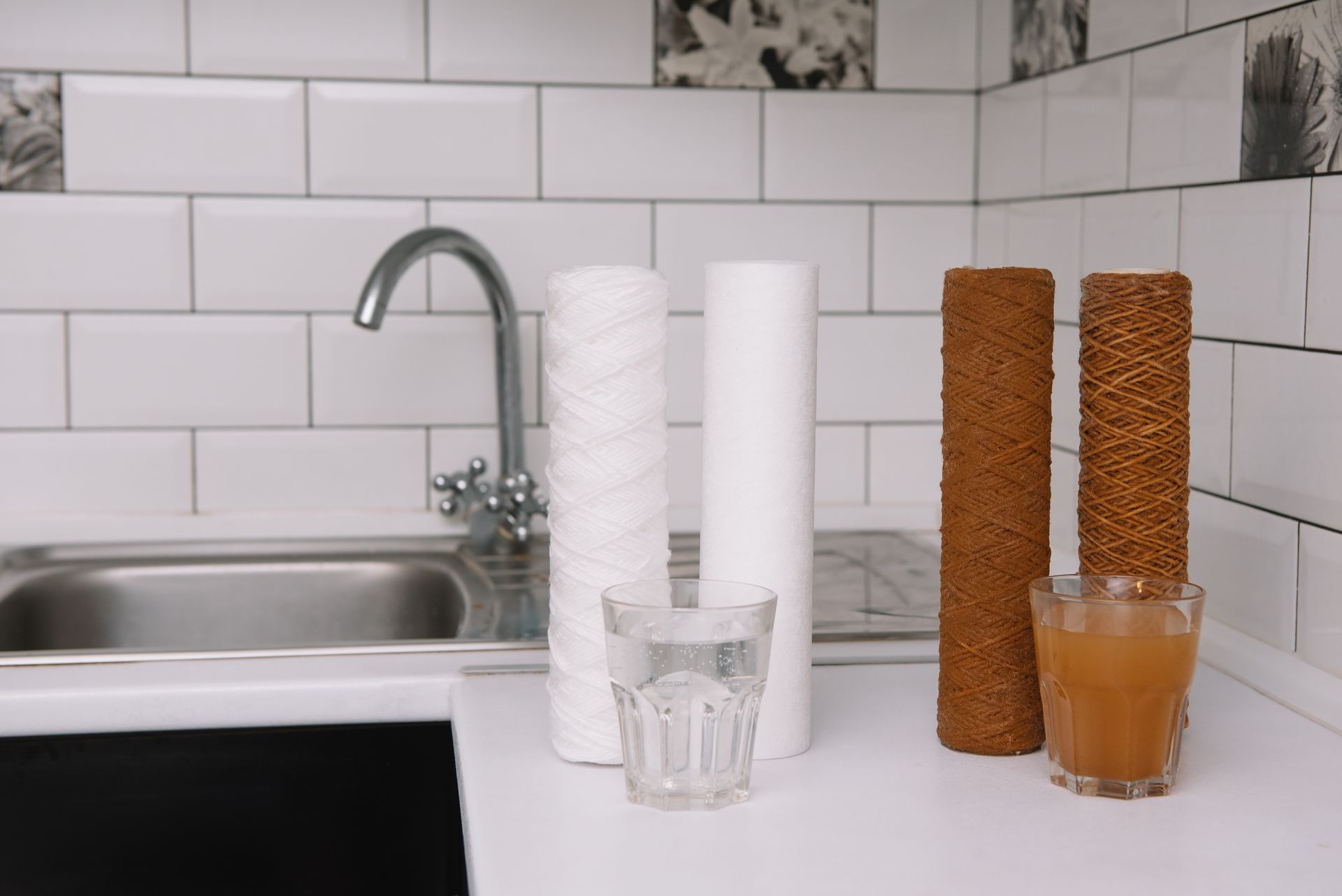
- Cloudy or discolored water
- Unusual noises from tanks or pipes
- Leaks around filtration equipment
- Hard water symptoms returning
Addressing these issues early prevents more extensive damage.
Conclusion
Yes, winter weather can significantly impact your
water treatment system if it is not properly protected. Freezing temperatures can damage components, reduce efficiency, and disrupt water quality. With proper insulation, regular maintenance, and professional support, you can keep your system running smoothly all winter. For expert service, inspections, and winter system protection,
Whittaker Water Tech is here to help safeguard your home’s water supply year round.