UV Purification 2026: The Chemical-Free Way to Kill Bacteria in Your Well

March 20, 2026

Clean, safe drinking water is essential for every home, especially for those relying on private wells. As concerns about water quality continue to grow, many homeowners are turning to UV water purification systems as a reliable, chemical-free solution for eliminating harmful microorganisms.


In 2026, UV water treatment has become one of the most effective methods for protecting well water from bacteria, viruses, and other contaminants without altering taste or introducing chemicals.

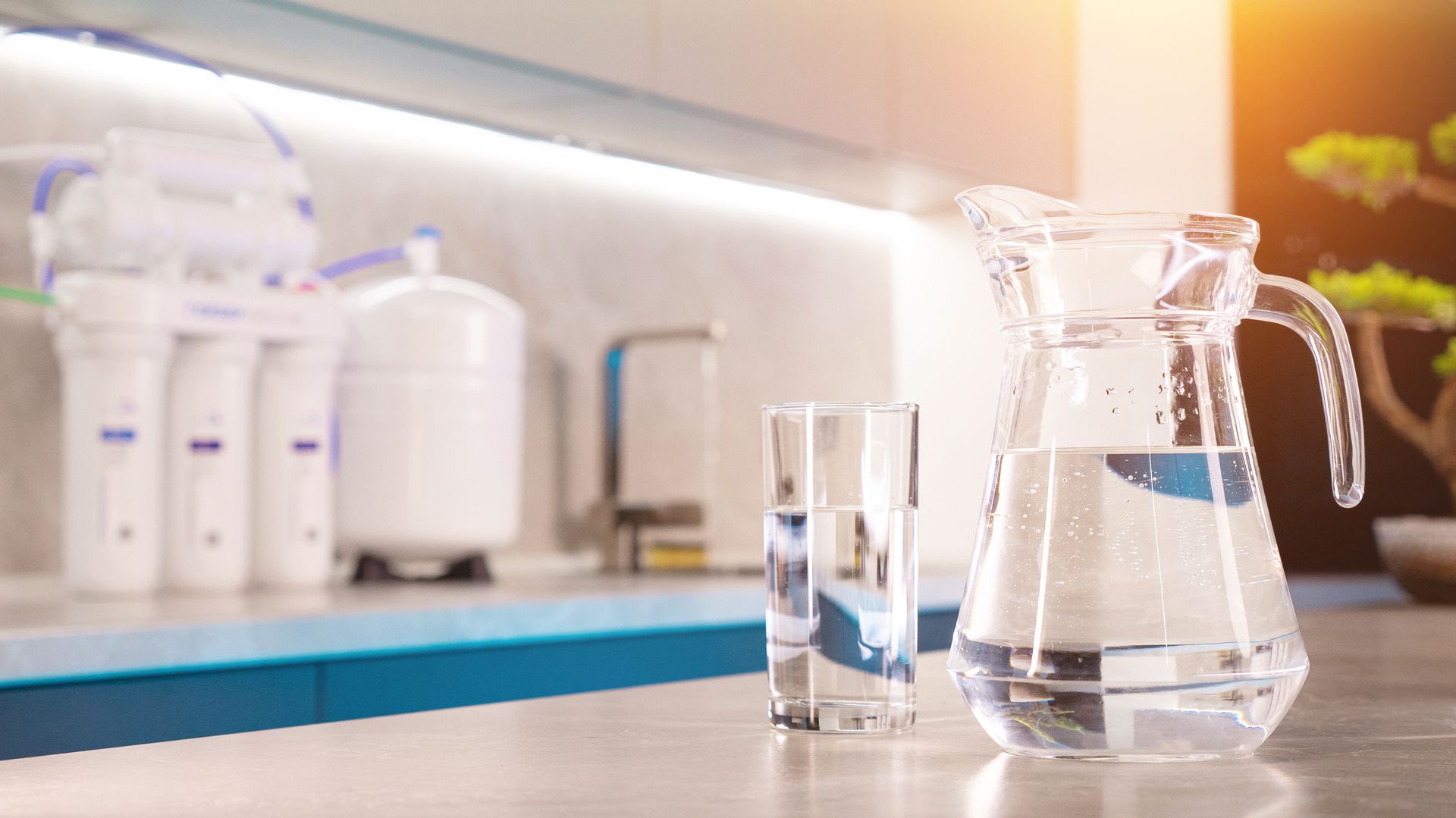
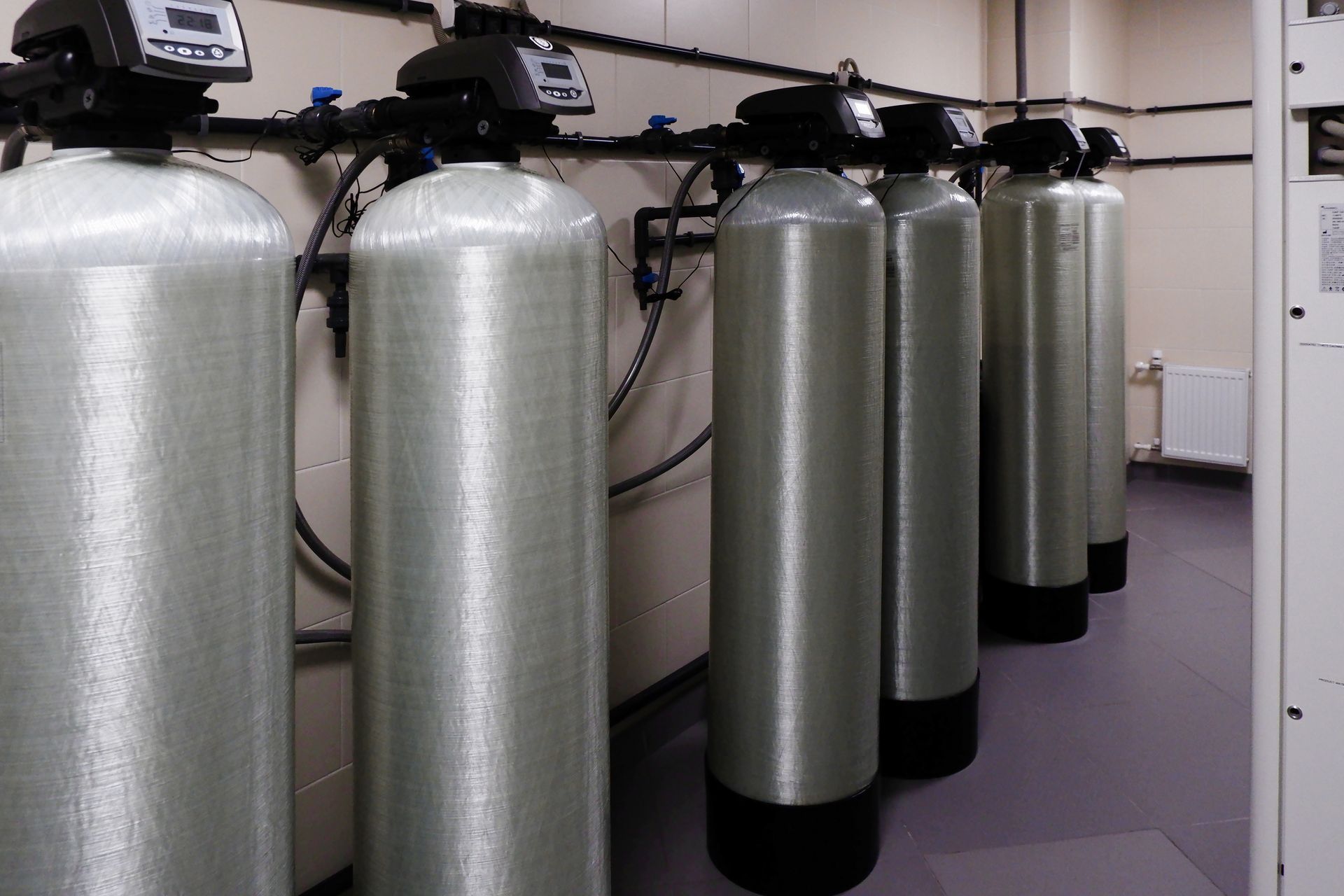
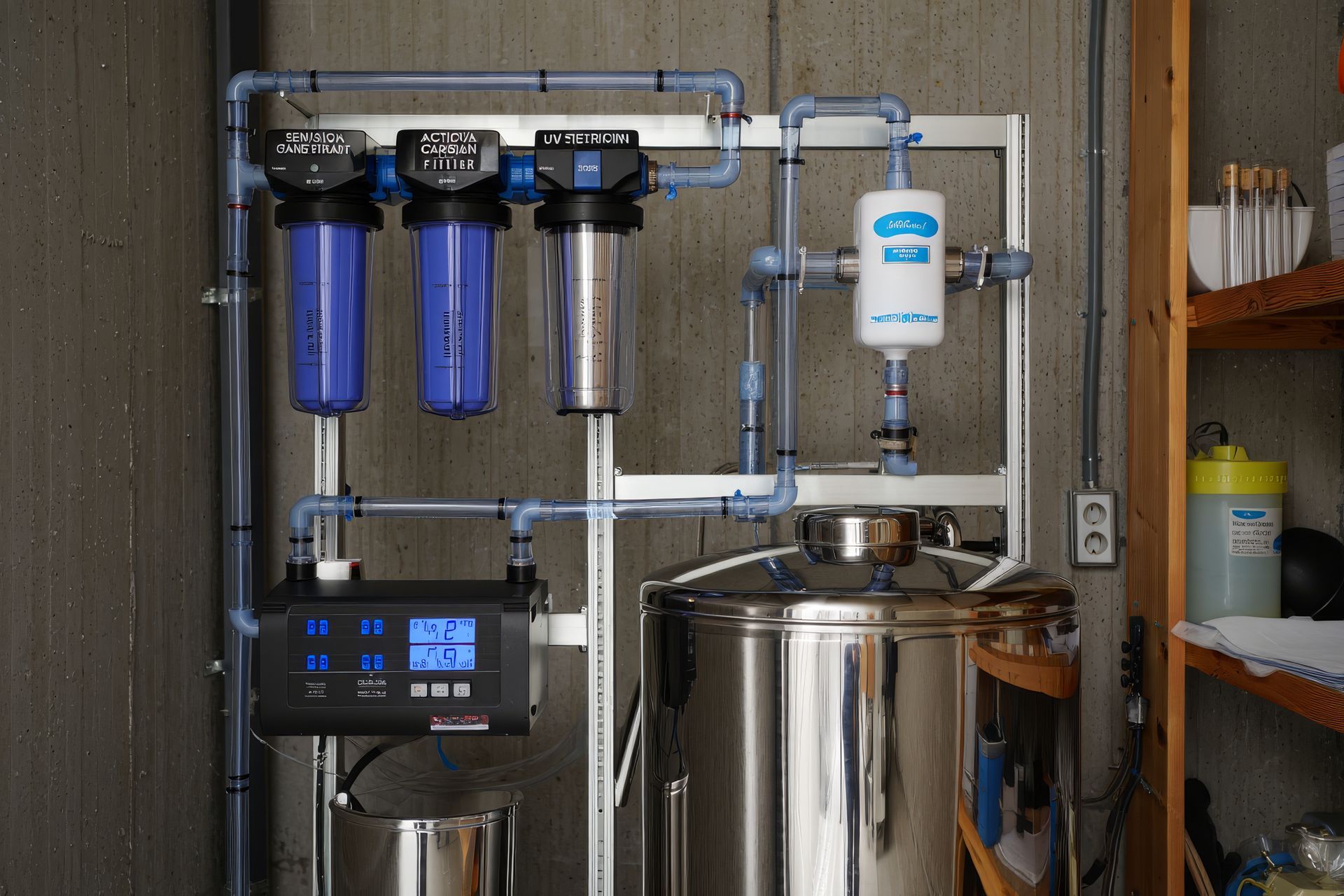
A home water filtration system with blue filter housings, a digital control panel, and a large stainless steel tank.

What Is UV Water Purification?

UV water purification uses ultraviolet light to disinfect water by neutralizing harmful microorganisms. As water passes through a UV chamber, it is exposed to a specific wavelength of light that disrupts the DNA of bacteria and viruses, preventing them from reproducing.


This process makes UV systems highly effective for:

  • Eliminating bacteria such as E. coli
  • Neutralizing viruses
  • Treating well water contamination
  • Providing chemical-free disinfection

Unlike chlorine or other chemical treatments, UV purification does not change the taste, smell, or composition of your water.


Why UV Treatment Is Ideal for Well Water

Private wells are not regulated in the same way as municipal water systems, which means homeowners are responsible for maintaining their own water quality. This makes well water treatment systems especially important.


Benefits of UV purification for well water include:

  • Chemical-free disinfection
  • Continuous protection against bacteria
  • Minimal maintenance requirements
  • Safe and environmentally friendly solution

UV systems are often used alongside filtration systems to provide comprehensive water treatment solutions.


How UV Water Treatment Works

A UV water treatment system typically includes a stainless steel chamber, a UV lamp, and a quartz sleeve. As water flows through the system, it is exposed to UV light that destroys harmful microorganisms.


For optimal performance, UV systems require:

  • Clear water free of sediment
  • Proper flow rate
  • Routine lamp replacement (usually once per year)

Pre-filtration is often recommended to ensure the UV light can effectively penetrate the water.


UV vs Chemical Water Treatment

Many homeowners compare UV water purification vs chlorine treatment when choosing a disinfection method.


UV Water Purification

  • Chemical-free process
  • No change in taste or odor
  • Immediate disinfection
  • Low maintenance


Chlorine Treatment

  • Uses chemicals to disinfect water
  • May alter taste and smell
  • Requires monitoring and chemical handling

For those seeking a natural solution, UV purification is often the preferred option.


When Should You Consider UV Water Treatment?

You may benefit from a UV water purification system if:

  • Your well water tests positive for bacteria
  • You want a chemical-free water treatment option
  • You are looking to improve water safety for your household
  • You want an additional layer of protection alongside filtration systems

Regular water testing is important to determine the right treatment solution for your home.


Protect Your Water with Advanced Treatment Solutions

Investing in a reliable well water treatment system is one of the best ways to protect your home and family. UV purification offers a powerful, chemical-free solution that ensures your water remains safe and clean.


At Whittaker Water Tech, we provide expert water treatment services, including UV purification systems, water filtration, and well water solutions designed to meet your specific needs.
Blue water tank with white pipes, filter, and control box outdoors on a concrete base.
February 1, 2026
Learn how heavy spring rain affects private well water quality and why testing and treatment are essential for safe drinking water.
Hand filling a clear glass with water from a kitchen faucet.
January 7, 2026
Learn how cold weather affects water quality, including frozen pipes, mineral buildup, and winter challenges for water treatment systems.
Industrial water treatment system with cylindrical tanks, piping, and gauges in a utility room.
December 15, 2025
Learn how winter weather can impact your water treatment system and discover ways to prevent freezing, damage, and performance issues.
Reverse osmosis water filter system installed under a blue kitchen cabinet.
November 12, 2025
Learn how to spot signs your water treatment system is malfunctioning in winter and how Whittaker Water Tech can help restore performance.
Water softener system, metal tank with black control head and digital display, installed on a wall.
October 21, 2025
Prevent salt bridges in your water softener with these maintenance tips from Whittaker Water Tech for consistent soft water and system efficiency.
Four light blue and one dark gray cylinders with fixtures under a counter.
September 5, 2025
Keep your water softener running efficiently this fall. Learn how often to clean your system and prevent mineral buildup with Whittaker Water Tech.
Splashing water with droplets and a blurred background.
August 15, 2025
Explore the differences between salt-based water softeners and salt-free water conditioners. Learn which system suits your home and water needs.
A close up of a drop of water on a blue surface
July 10, 2025
Learn how to assess and improve the quality of your well water with testing, filtration, and treatment options. Contact us today to ensure clean water!
A water heater is sitting on a wet floor next to a wall.
June 9, 2025
Learn why regular water heater maintenance is essential for your home's efficiency and safety. Get expert tips on extending the life of your water heater today!
A close up of a faucet with water running out of it
May 30, 2025
Learn what hard water is, how it affects your home, and the best solutions to treat it. Discover water softening options with Whittaker Water Tech.
Show More