What Is an ATS Whole House Filtration System?
A
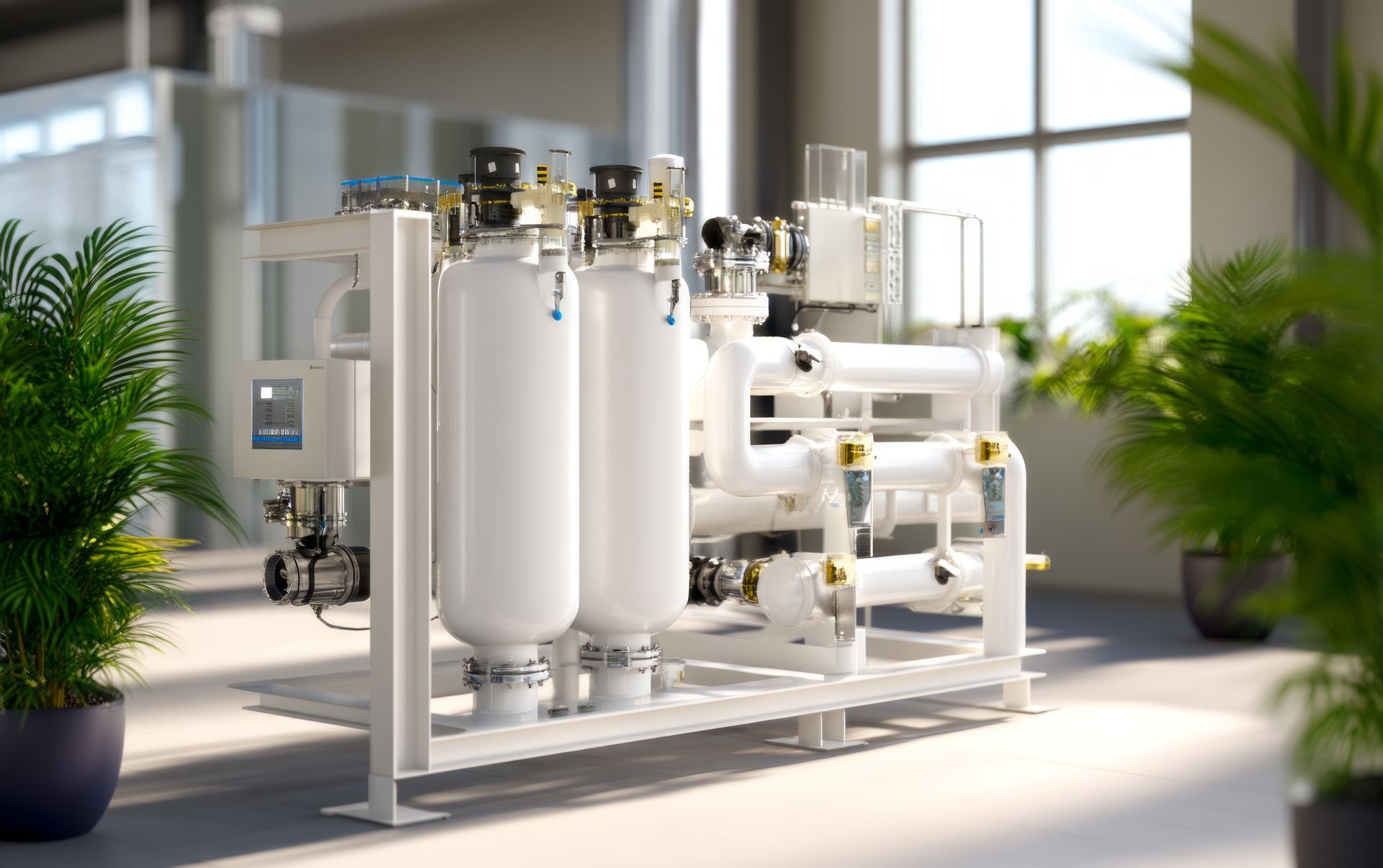
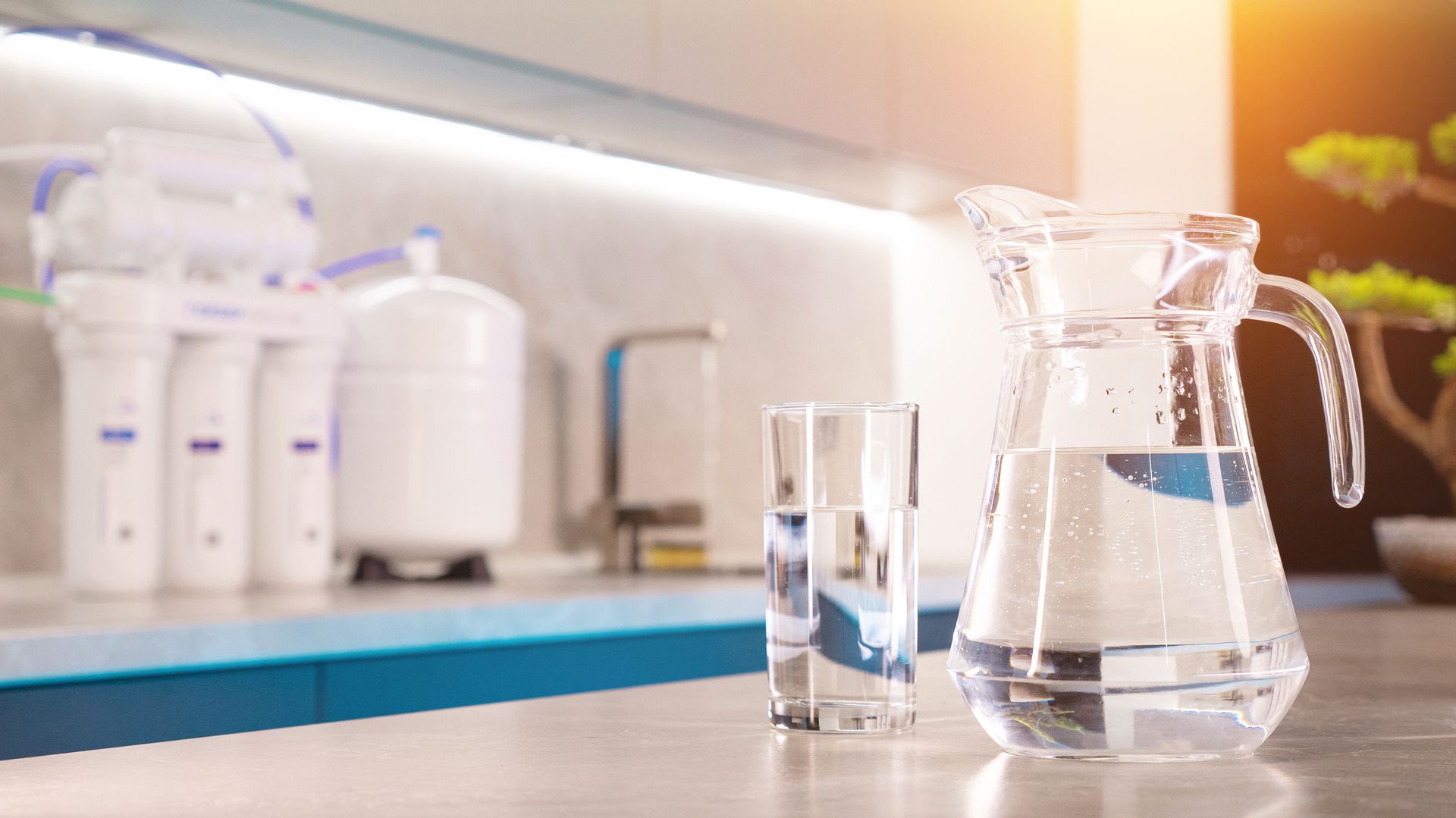
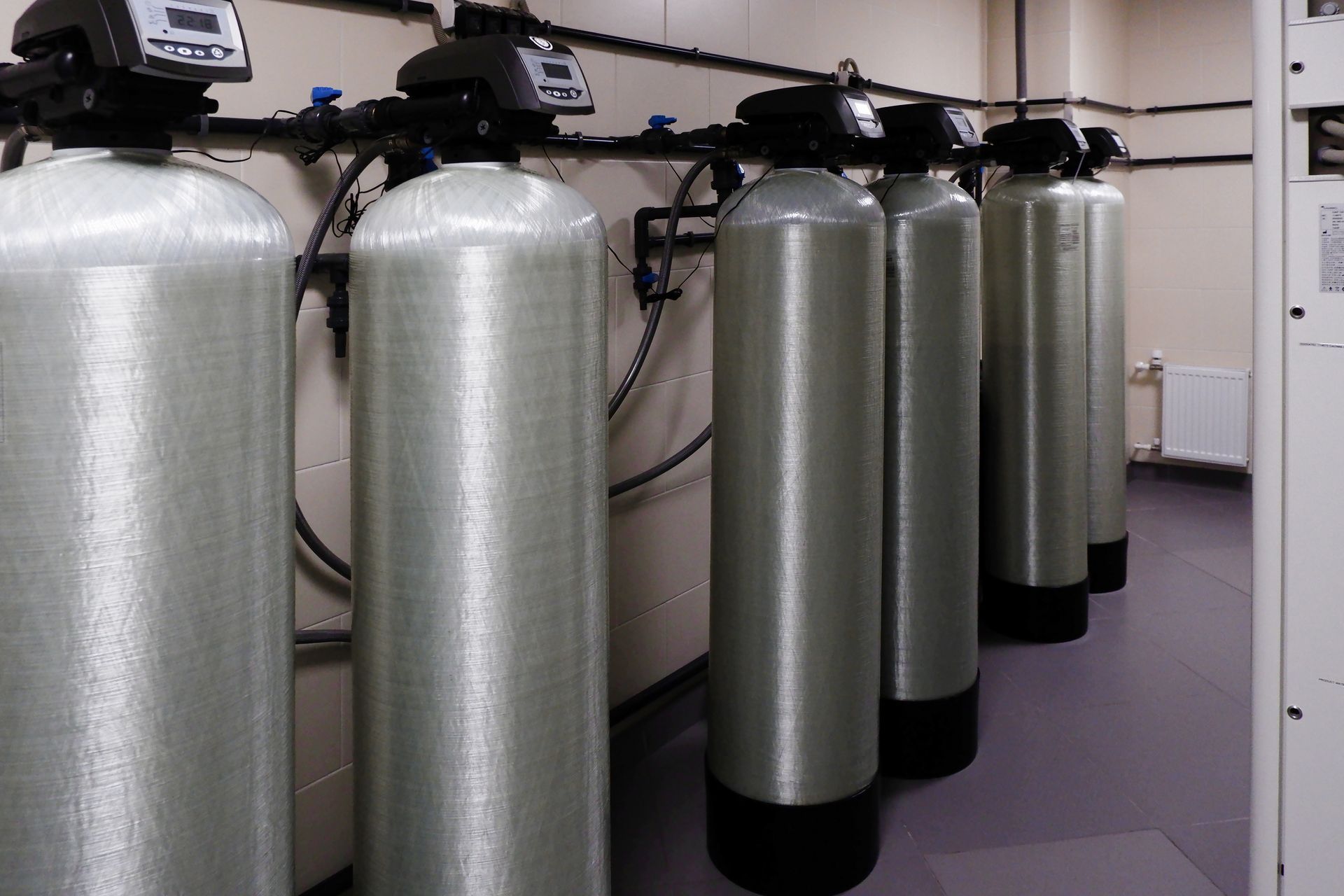
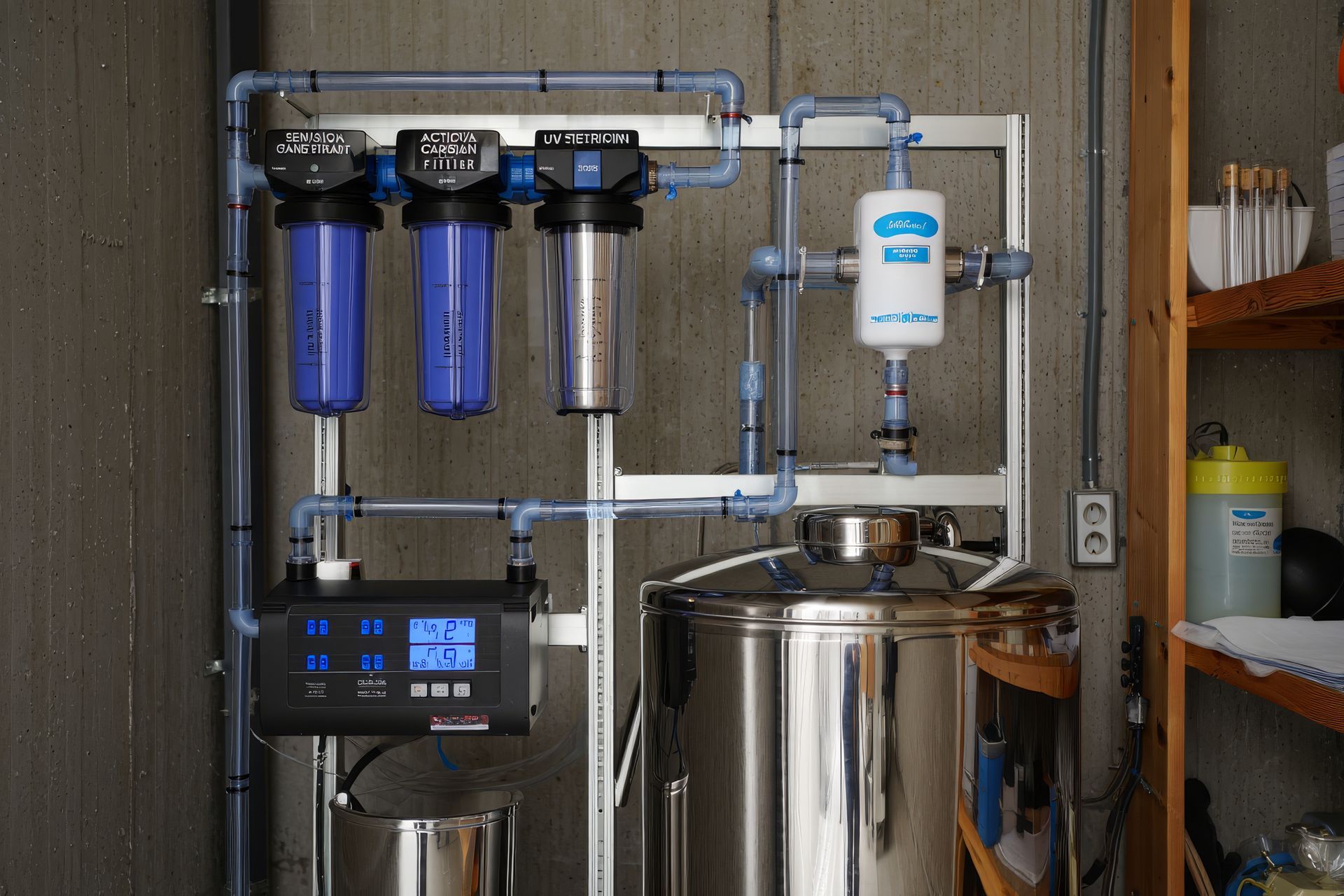
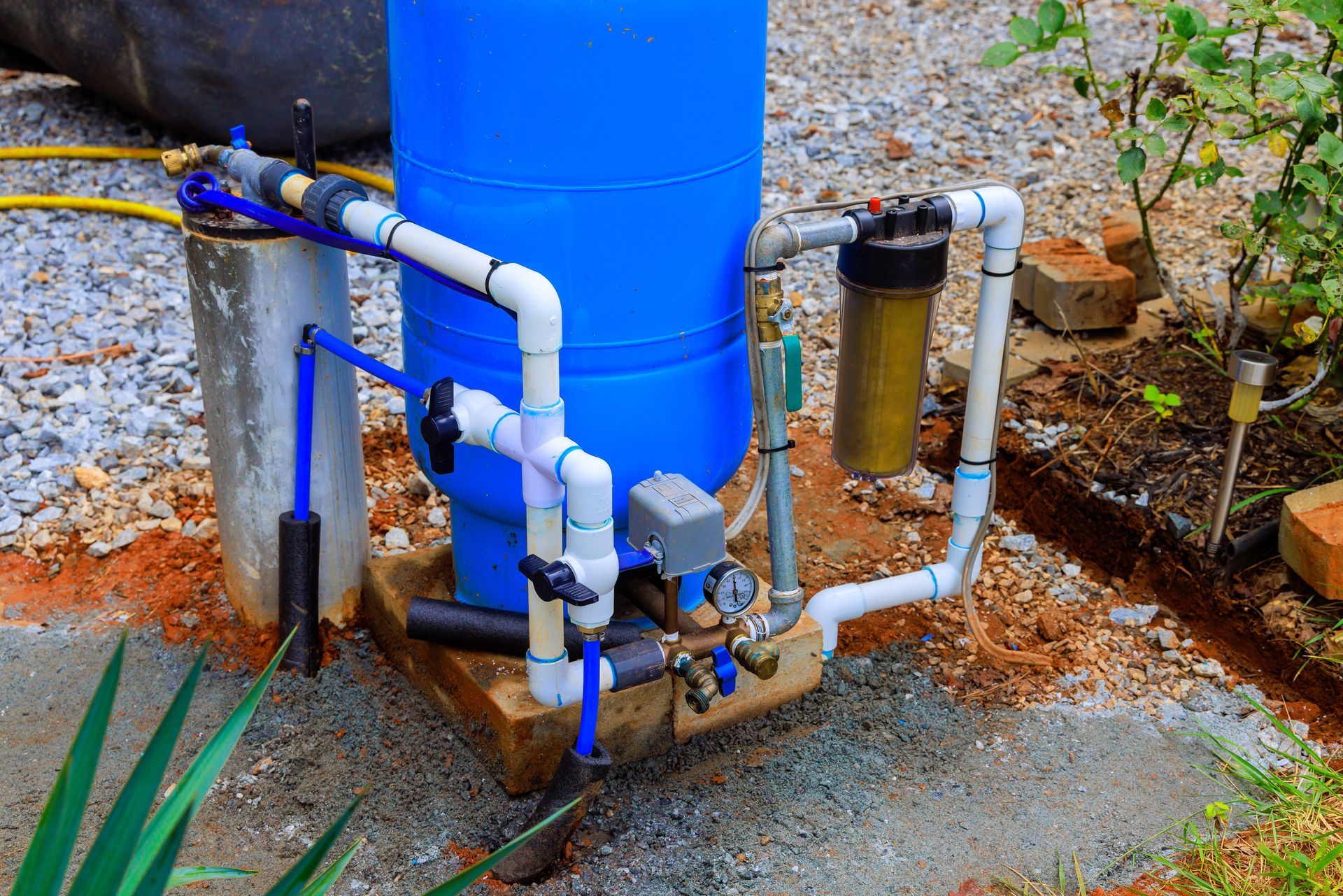
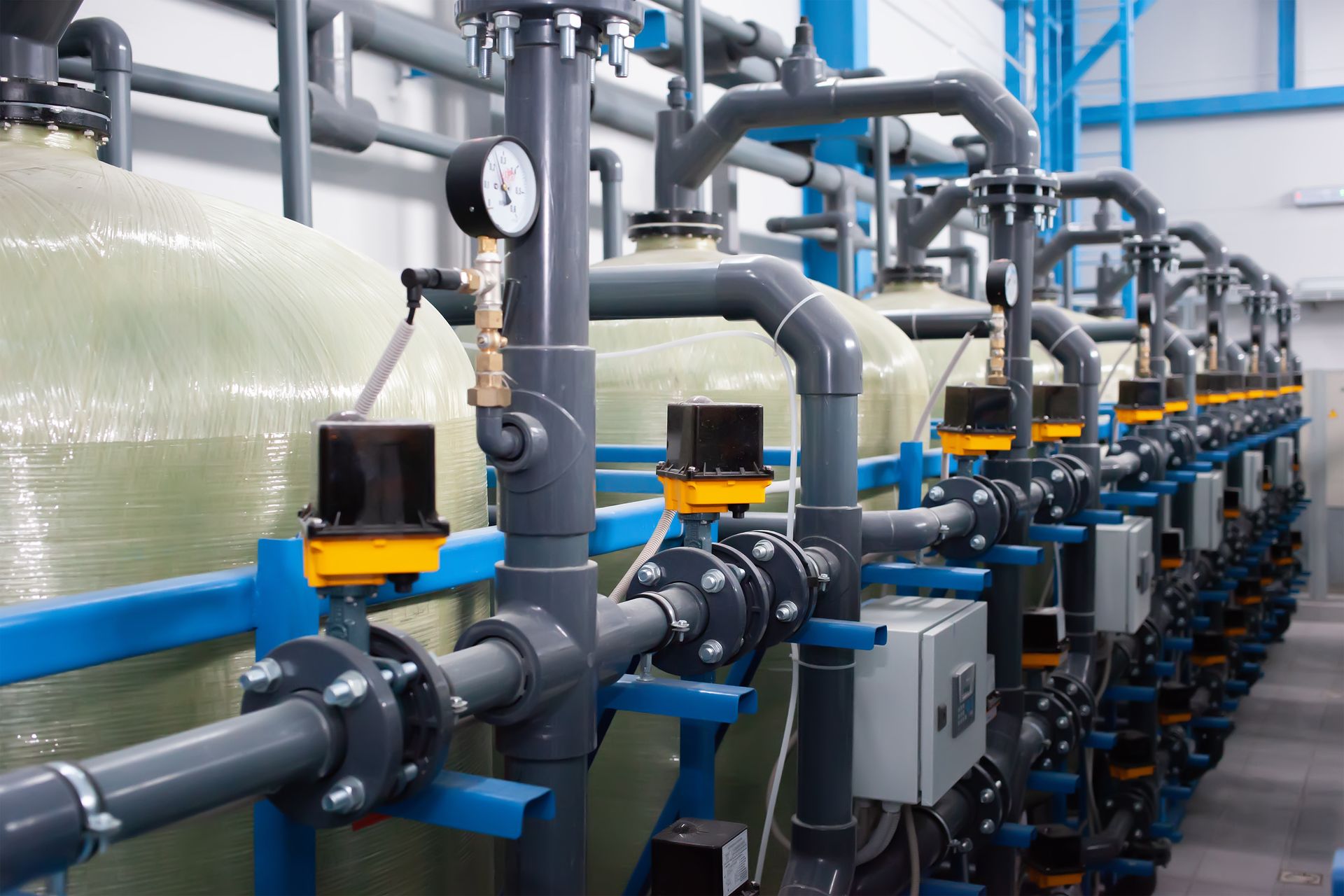
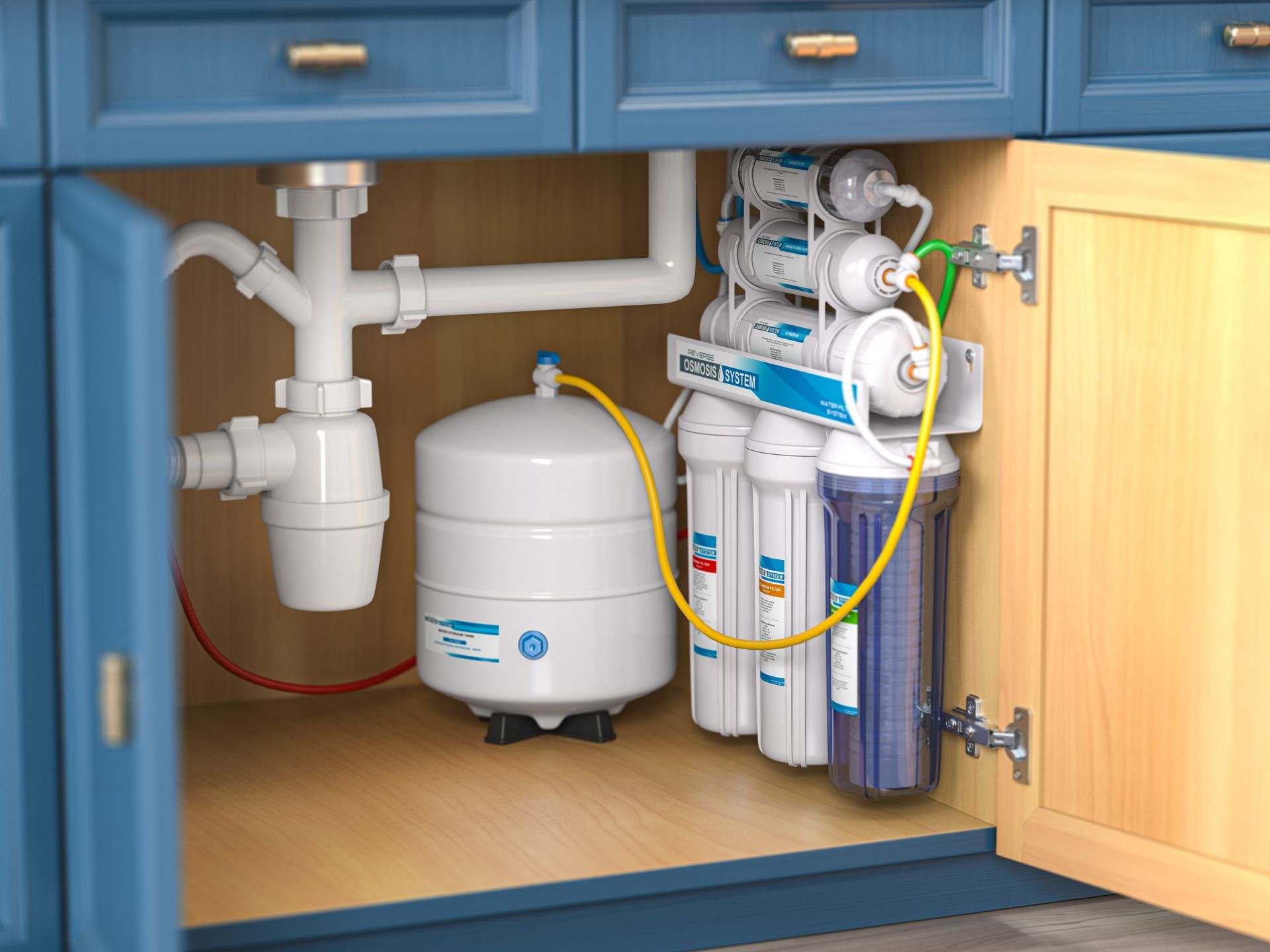
point-of-entry (POE) water treatment system, commonly referred to as a whole-house system, is engineered to intercept and treat your water supply the exact moment it crosses your property line. Unlike basic point-of-use (POU) pitch filters or under-sink attachments that only treat a single faucet, a centralized system filters every single drop of water before it ever enters your home’s plumbing network.
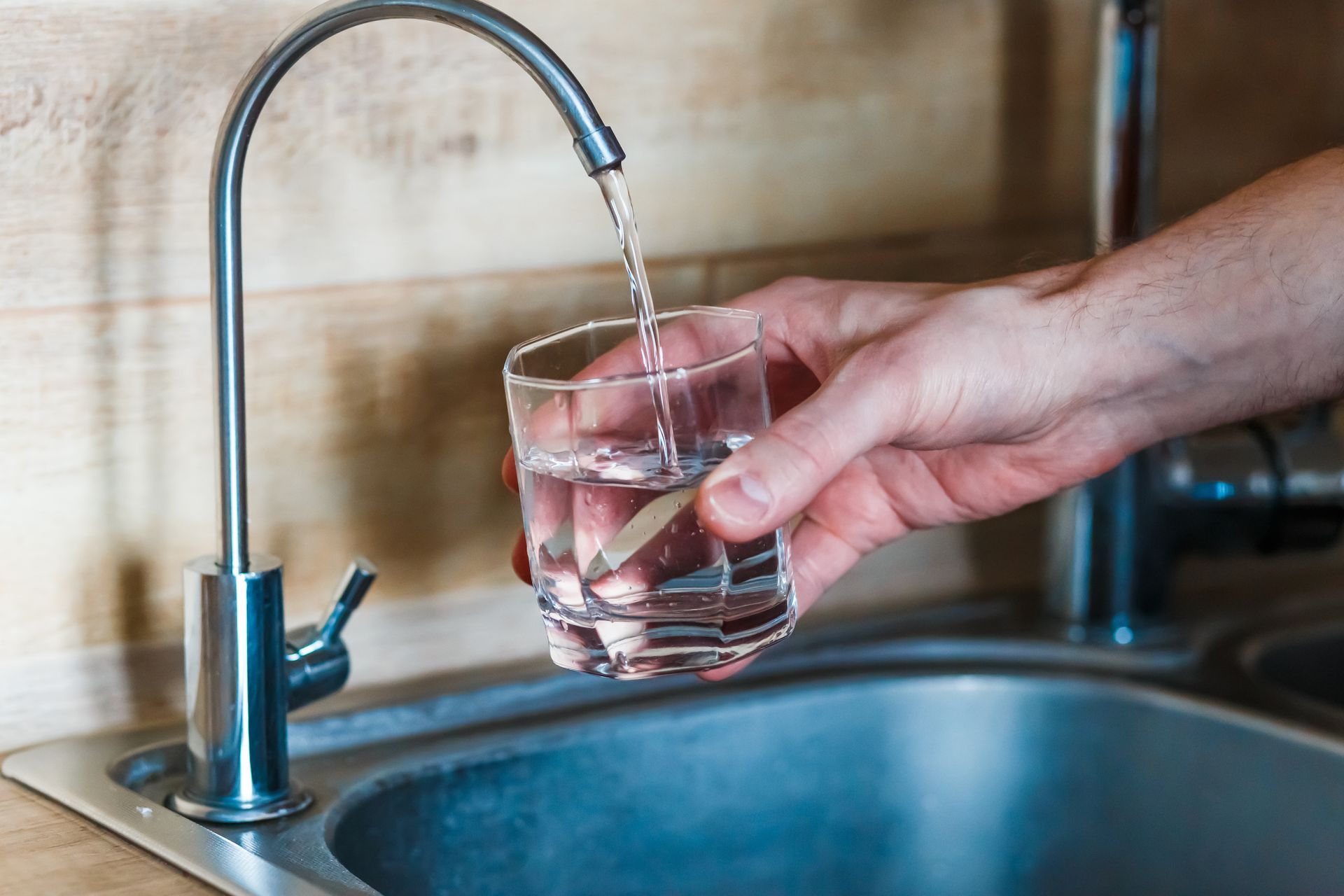
Depending on the specific chemical profile of your local water source, these multi-stage configurations can be customized to remove microscopic sediment, oxidize heavy iron, neutralize foul gasses, and eliminate harsh industrial chemicals. By routing your primary water line through centralized media beds, you ensure that every tap, showerhead, hot water tank, and washing machine throughout the house operates with pure, balanced water.
Persistent Taste, Odor, and Chemical Scent Issues
One of the most immediate indicators that your home requires a high-performance
whole house water filtration system is a persistent, unappealing taste or odor profile. Municipal water authorities heavily rely on heavy chlorine or chloramines to disinfect water as it travels through aging city grids. While necessary for sanitation, these chemicals leave behind a harsh, chemical taste and a strong, pool-like odor that saturates your drinking water and vaporizes into your indoor air during hot showers.
For homeowners utilizing private wells, the aromatic challenges are often biological or geological. A distinct "rotten egg" odor points directly to the presence of hydrogen sulfide gas, which is produced by sulfur-reducing bacteria deep within the aquifer. Similarly, a sharp metallic tang indicates an over-saturation of iron or copper. An appropriately configured ATS media bed acts as a powerful chemical sponge, using catalytic carbon and advanced oxidation processes to scrub these complex odor profiles and chemical residues out of your water completely.
Visible Discoloration and Stubborn Mineral Staining
Water quality issues frequently manifest as stubborn, unsightly stains across your high-end bathroom and kitchen fixtures. If you are constantly scrubbing bright orange, dark brown, or black stains out of your toilets, sinks, and tubs, your water supply contains elevated concentrations of dissolved iron and manganese. As this water hits the air, the minerals oxidize, transforming from a clear liquid into a solid, staining pigment that permanently ruins porcelain, chrome, and clothing.
Acidic Plumbing Corrosions
- Blue-Green Staining: If your fixtures are developing a distinct blue-green ring, your water features a low, acidic pH level. Acidic water actively leaches copper directly out of your home's internal copper pipes.
- Pin-Hole Leaks: Left untreated, this ongoing copper leaching thins the structural walls of your plumbing, ultimately causing costly, hidden pin-hole water leaks behind your drywall.
- The ATS Correction: A professional system can integrate a calcite neutralizer to balance the pH, alongside dedicated iron filters to trap and flush away heavy minerals before they stain your property.
Hard Water Scale Destroys Plumbing and Major Appliances
Hard water, which is caused by an over-saturation of dissolved calcium and magnesium ions, represents an expensive threat to modern household appliances. When hard water is heated inside your water heater, dishwasher, or washing machine, the dissolved minerals crystallize into a rock-hard layer of calcium carbonate scale. This scale acts as a thermal barrier, forcing your appliances to consume significantly more energy to heat water while frying their internal heating elements.
Over time, this progressive scale accumulation chokes off the internal diameter of your copper or PEX pipes, severely reducing your home’s functional water pressure and forcing you to seek extensive plumbing remediation. Implementing advanced
water filtration and softening technology completely neutralizes these hardening ions. This action preserves your plumbing infrastructure, lowers your monthly utility bills, and extends the operational lifespan of your appliances by decades.
Shifting Well Conditions and the Multi-Filter Nightmare
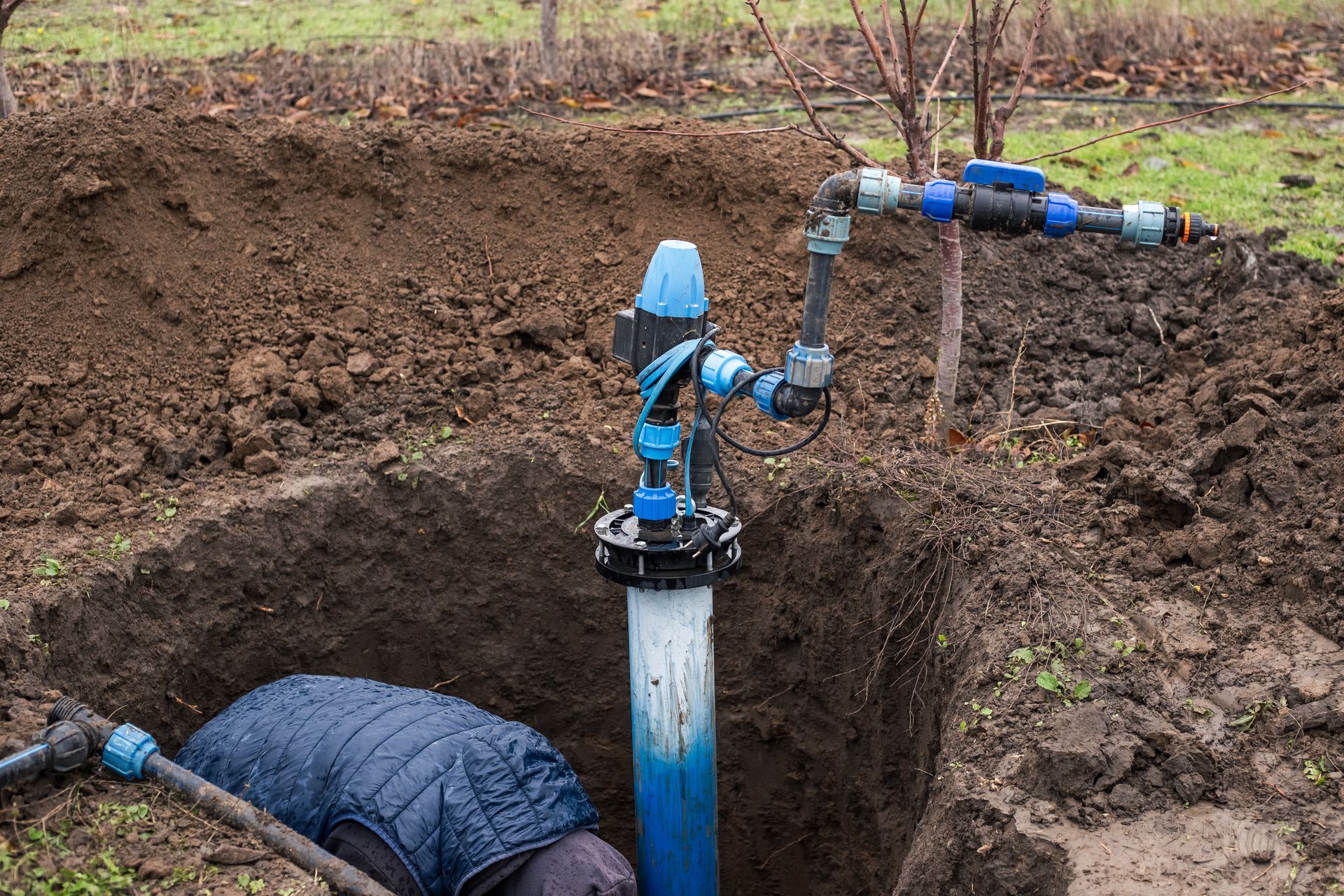
If you source your water from a private well, you are acting as your own utility manager. Unlike municipal systems, groundwater quality fluctuates dynamically based on local agricultural runoff, shifting water tables, and industrial developments. If you notice a sudden influx of fine sand, a change in mineral density, or unexpected discoloration after a heavy rainstorm, your well is actively pulling from a shifting or compromised stratum.
Many homeowners attempt to resolve these evolving issues by installing a confusing, expensive patchwork of individual filters—stacking a refrigerator filter against a showerhead attachment and a countertop pitcher. Managing multiple individual POU filters is incredibly inconvenient, results in high recurring cartridge replacement fees, and leaves the vast majority of your home's pipes completely unprotected. Upgrading to a unified
water quality solution creates a singular, easily maintained point of defense that covers your entire estate.
Protect Your Household Infrastructure with Whittaker Water Tech
Investing in the health of your water supply is one of the most impactful home improvement decisions you can make. However, purchasing generic filtration hardware without knowing your exact chemical parameters is a costly mistake. Different contaminants require completely distinct filtration media; a system designed to trap sediment will completely fail to remove dissolved iron or chemical chlorine.
At
Whittaker Water Tech, we believe that clean water must be backed by verifiable science. Our comprehensive process begins with professional
water testing to analyze your supply for mineral density, chemical presence, and pH imbalances. Based on your unique lab data, we construct a customized, commercial-grade ATS filtration matrix perfectly optimized for your household demand. Do not guess when it comes to your family's health and plumbing safety—contact our water treatment experts
today to schedule an on-site evaluation and experience the transformative difference of pure water.