Step 1: Stay Calm and Check If the Problem Is Limited to Your Home
Before assuming the worst, determine whether:
- neighbors also lost water
- there was a recent power outage
- severe weather recently occurred
- electrical systems tripped overnight
For homeowners using private wells, power interruptions are one of the most common causes of sudden water loss.
A quick check can help narrow down the issue immediately.
Step 2: Check the Circuit Breaker
Many
well pump problems are caused by a tripped breaker.
Locate your electrical panel and look for:
- tripped breakers
- partially reset breakers
- labeled well pump circuits
If the breaker tripped:
- Reset it once carefully.
- Wait several minutes.
- Check whether water pressure returns.
If the breaker trips repeatedly, stop resetting it and contact a professional immediately, as this may indicate:
- pump failure
- electrical issues
- short circuits
- pressure switch problems
Step 3: Check the Pressure Tank
Your
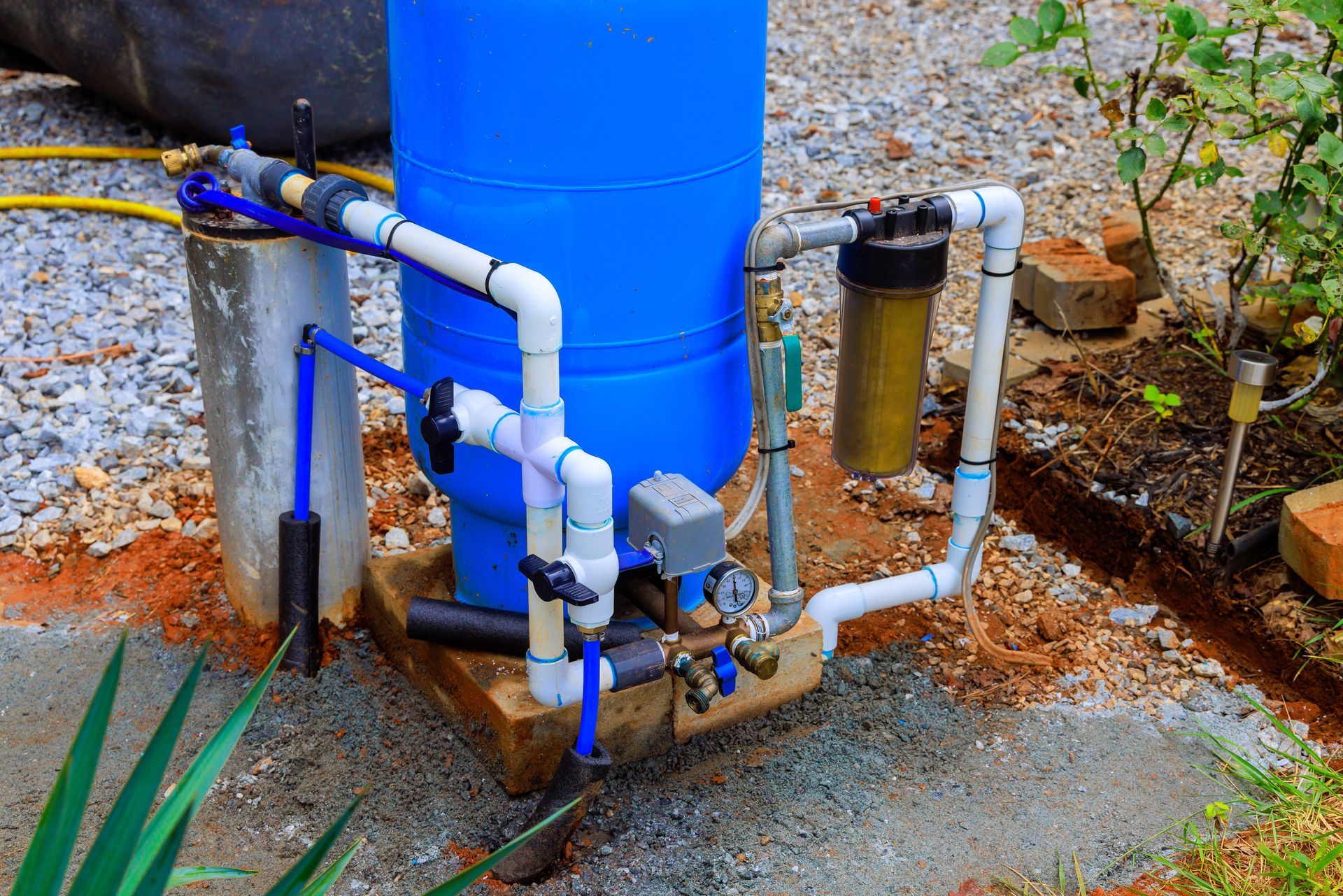
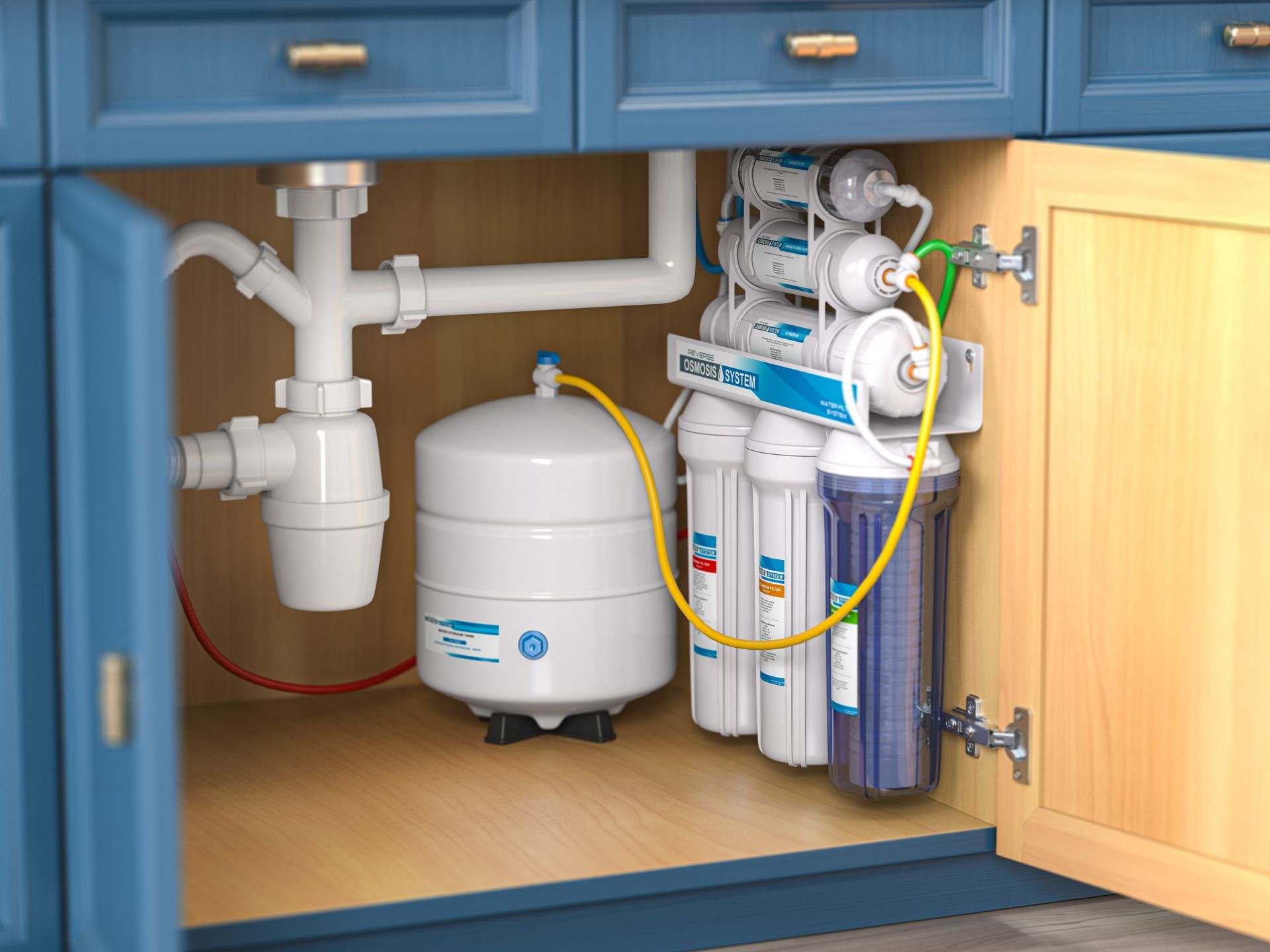
well pressure tank helps regulate water pressure throughout the home.
Signs of possible tank problems include:
- fluctuating pressure
- rapid clicking sounds
- sputtering faucets
- no water pressure at all
Some systems include visible pressure gauges. Extremely low readings may point toward:
- pump issues
- pressure switch failures
- tank malfunctions
Step 4: Listen for the Well Pump
If safe to do so, try listening near the well system.
A properly functioning pump may:
- hum quietly
- activate periodically
- cycle normally
Complete silence may indicate:
- electrical failure
- pump malfunction
- control issues
Unusual noises may suggest:
- pump strain
- dry well conditions
- failing components
Step 5: Consider Weather Conditions
Poconos winters can create unique
water well system challenges.
Cold temperatures may contribute to:
- frozen pipes
- frozen pressure switches
- frozen well components
If temperatures recently dropped significantly, freezing may be part of the problem.
Never use open flames or unsafe heating methods to thaw plumbing components.
Step 6: Check for Signs of a Frozen Pipe
Frozen plumbing may create:
- reduced flow before total shutdown
- visible frost on pipes
- bulging sections
- unusual pipe sounds
Areas most vulnerable include:
- crawl spaces
- garages
- basements
- exterior walls
- unheated utility areas
Frozen pipes should be handled carefully to reduce the risk of pipe bursts and water damage.
Step 7: Avoid Running the System Repeatedly
When homeowners lose water, many repeatedly run faucets or continuously reset equipment.
Unfortunately, this may place additional strain on:
- the well pump
- pressure systems
- electrical components
If the issue does not resolve quickly, professional diagnosis is often the safest approach.
When to Call a Professional Immediately
Some situations require immediate professional
well system repair, including:
- burning smells
- repeated breaker trips
- complete system silence
- flooding near the pressure tank
- visible leaks
- no water after troubleshooting steps
Delaying service may increase the risk of:
- pump damage
- electrical issues
- frozen pipe bursts
- larger plumbing repairs
Why Preventive Well Maintenance Matters in 2026
More homeowners are investing in:
- routine well inspections
- pressure tank maintenance
- water testing
- freeze prevention
- preventive system monitoring
Regular maintenance helps reduce the likelihood of sudden outages and expensive emergency repairs.
For Poconos homeowners especially, seasonal preparation plays a major role in long-term
well system maintenance.
Fast Action Helps Protect Your Home and Water System
Losing water can feel stressful, but understanding the first troubleshooting steps helps homeowners respond more calmly and safely. Early diagnosis and professional service can often prevent more serious system damage.
Whittaker Water Tech provides professional
well system repair, water system diagnostics, and emergency plumbing support designed to help Poconos homeowners restore reliable water service quickly and safely.