Why Does Well Water Smell Like Rotten Eggs?
The distinctive rotten-egg smell commonly associated with well water is often caused by
hydrogen sulfide (H₂S), a colorless gas with a strong sulfur odor.
Hydrogen sulfide can occur naturally in groundwater. Sulfur-reducing bacteria can also produce hydrogen sulfide as they interact with naturally occurring sulfur compounds in low-oxygen environments such as groundwater wells and plumbing systems.
According to
Penn State Extension, hydrogen sulfide problems can occur in groundwater wells and may be associated with sulfur-reducing bacteria. The odor can also sometimes originate inside a home's water heater.
That means smelling sulfur doesn't automatically tell you exactly where the problem is. The first step is narrowing down its source.
Is the Rotten Egg Smell Coming From Your Well or Water Heater?
One useful troubleshooting step is determining whether you smell sulfur in your cold water, hot water, or both.
The Smell Is in Both Hot and Cold Water
If the rotten-egg odor occurs when running both hot and cold water, the source may be the well water itself or bacteria within the well or plumbing system.
Hydrogen sulfide may naturally occur in groundwater, while sulfur-reducing bacteria can contribute to hydrogen sulfide production.
For homes experiencing a persistent odor throughout the house, testing the water can help determine what treatment approach makes sense.
The Smell Is Only in Hot Water
If your cold water smells normal but your hot water smells like rotten eggs, your water heater deserves attention.
Some water heaters contain magnesium anode rods designed to protect the tank against corrosion. Under certain conditions, reactions involving the rod and naturally occurring sulfates can contribute to hydrogen sulfide formation.
Penn State Extension notes that a rotten-egg odor occurring exclusively in hot water may originate from this type of reaction inside the water heater.
Because the anode rod serves an important corrosion-protection function, homeowners shouldn't simply remove it without considering the manufacturer's requirements and the effect on the water heater.
If you're unsure whether the odor is coming from your well or water heater, Whittaker Water Tech provides
water heater services as well as water treatment solutions, allowing the underlying issue to be properly evaluated.
Is Hydrogen Sulfide in Well Water Dangerous?
A sulfur smell does not automatically mean that your drinking water is unsafe.
Penn State Extension describes hydrogen sulfide in household well water primarily as an aesthetic concern because even relatively small amounts can create an objectionable taste and odor. However, an unusual smell should still be investigated rather than ignored.
The
Minnesota Department of Health also notes that hydrogen sulfide may occur naturally or be produced by sulfur bacteria in groundwater, wells, plumbing systems, or water heaters.
Most importantly, smell alone cannot tell you everything that's in your water. Other contaminants may be present without producing any noticeable odor, taste, or discoloration.
That's why water testing is more useful than trying to diagnose overall water quality based solely on smell.
Can Sulfur Water Damage Plumbing?
Persistent hydrogen sulfide problems can affect more than the way your water smells.
Hydrogen sulfide can contribute to corrosion of metals within a plumbing system. Depending on the water chemistry, homeowners may also notice staining or other water-quality symptoms alongside the odor.
Sulfur-related bacteria may also create slime that contributes to buildup within wells or plumbing systems.
If you're dealing with sulfur along with staining, sediment, metallic tastes, or other symptoms, a customized
problem water system may be more appropriate than treating the odor as an isolated issue.
Whittaker Water Tech's problem water solutions are designed around specific concerns such as sulfur, iron, manganese, acidic pH, and sediment.
How Do You Get Rid of a Rotten Egg Smell in Well Water?
There isn't one sulfur treatment that's right for every home.
The appropriate solution depends on factors such as:
- Where the odor originates
- The concentration of hydrogen sulfide
- Whether iron or manganese is also present
- The chemistry of the source water
- Whether bacteria are contributing to the problem
- Whether the odor occurs throughout the house or only in hot water
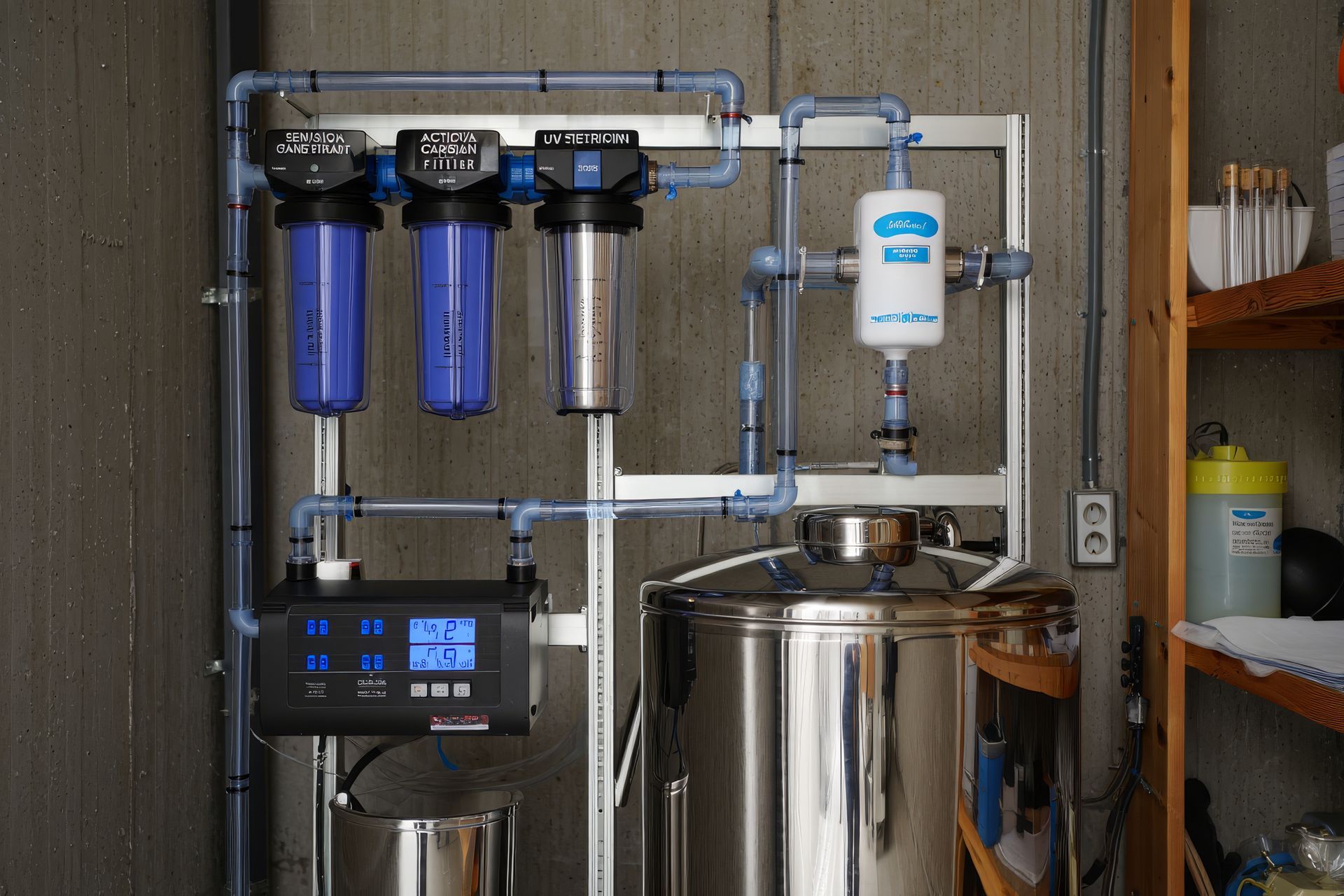
Treatment methods for hydrogen sulfide can include oxidation and filtration, catalytic media, aeration, and other approaches depending on the water conditions.
In some situations involving sulfur-reducing bacteria, well disinfection may temporarily reduce the problem. However, Penn State Extension notes that sulfur odors can return after shock chlorination, making additional treatment necessary for persistent problems.
Rather than selecting equipment based solely on smell, the better approach is to identify the characteristics of the water first and then match the treatment system to the problem.
Will a Water Softener Remove the Sulfur Smell?
A standard water softener should not automatically be assumed to solve a sulfur odor.
Water softeners are primarily designed to address hardness minerals such as calcium and magnesium. Hydrogen sulfide requires a treatment approach suited to the specific water chemistry and concentration.
If your home has both hard water and sulfur odor, you may need a combination of treatment technologies rather than expecting one piece of equipment to solve every water-quality problem.
Whittaker Water Tech offers
water softeners and specialized filtration systems so treatment can be based on what is actually present in the home's water.
Should You Test Well Water That Smells Like Sulfur?
Yes. Testing is an important step when your well water develops an unusual smell, taste, or appearance.
A rotten-egg odor can provide a clue, but it doesn't provide a complete picture of water quality. Testing can help identify the conditions contributing to the problem and determine whether additional water-quality concerns need attention.
The
U.S. Environmental Protection Agency's private well guidance also notes that many serious water-quality problems cannot be identified through smell, taste, or appearance alone and require laboratory testing.
Whittaker Water Tech offers a
free basic water analysis to help homeowners better understand their water and determine which treatment options may be appropriate.
When Should You Call a Water Treatment Professional?
Consider having your water evaluated if:
- The rotten-egg smell persists throughout your home
- The odor suddenly becomes stronger
- Both hot and cold water smell
- You notice staining or discoloration along with the odor
- Your water develops a metallic or unusual taste
- Your existing filtration system isn't eliminating the smell
- You're unsure whether the well or water heater is causing the problem
A professional evaluation can help prevent unnecessary equipment purchases and ensure that the treatment recommendation matches your home's actual water conditions.