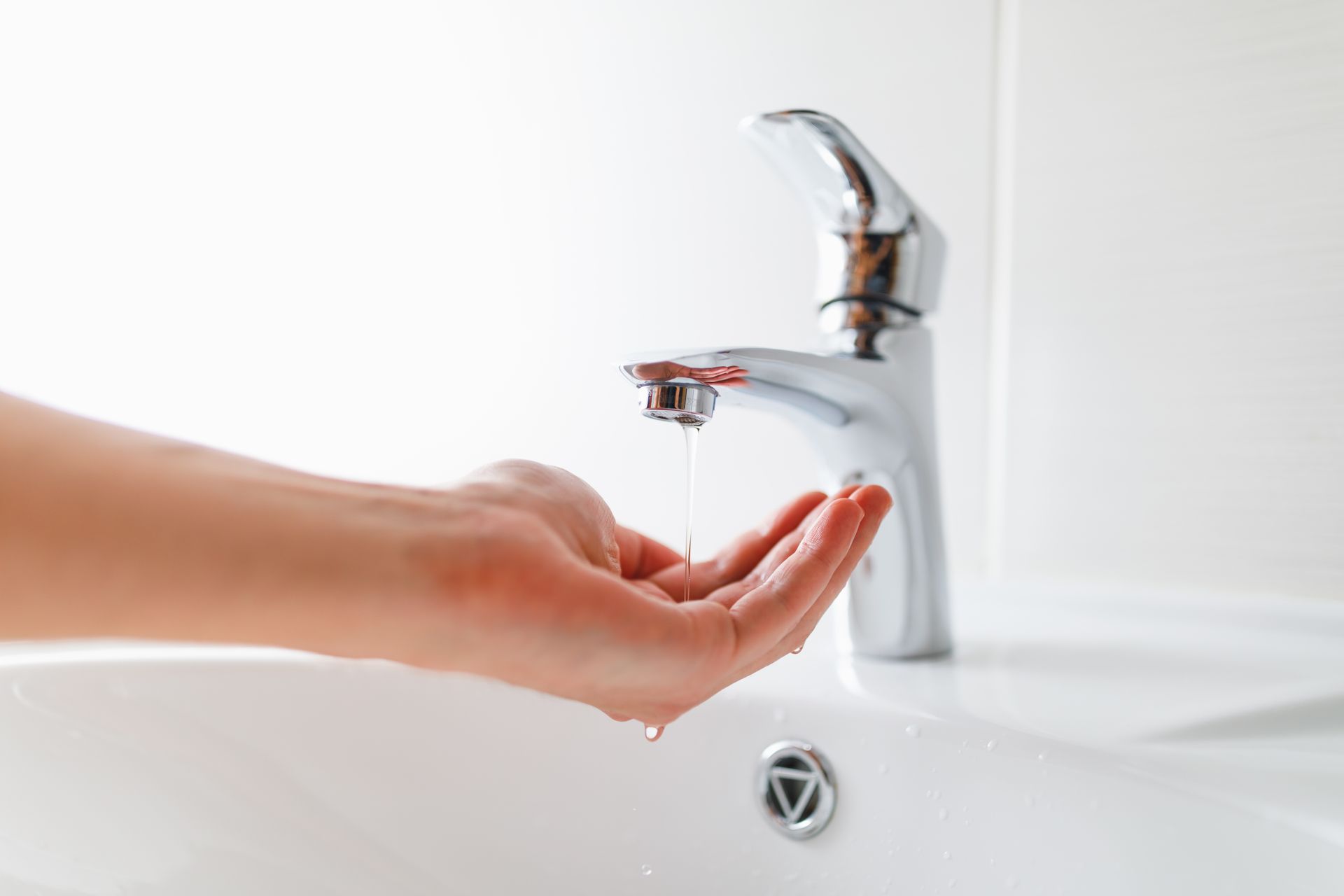
Does your shower start out comfortably hot but turn cold after just a few minutes? Maybe your household struggles to finish laundry, dishes, and showers without running out of hot water.
If your hot water runs out quickly, common causes include an undersized water heater, sediment buildup, a faulty heating component, or excessive household hot water demand. In some cases, the problem may involve the plumbing rather than the water heater itself.
The good news is that running out of hot water does not always mean you need a new water heater.
At Whittaker Water Tech, we help homeowners throughout Monroe, Northampton, and Carbon Counties, PA, diagnose water heater problems and find practical solutions for dependable hot water.
Why Does My Hot Water Run Out After Only a Few Minutes?
A traditional tank water heater stores a limited amount of heated water.
As you shower, wash dishes, or use hot water elsewhere in the home, heated water leaves the tank and is replaced by incoming cold water.
The heater then needs time to warm that replacement water.
If your household uses hot water faster than the system can replenish it, the temperature at your faucets and showers will eventually drop.
However, if your hot water supply suddenly becomes much shorter than it used to be, an equipment or plumbing problem may be responsible.
Understanding the difference can help you avoid unnecessary repairs or replacement.
What Are the Most Common Reasons Hot Water Runs Out Quickly?
1. Your Water Heater May Be Too Small for Your Household
One of the most common reasons for running out of hot water is insufficient water heater capacity.
A system that worked well for two people may struggle when a household grows or water usage increases.
For example, hot water demand can rise when:
- Several family members shower close together
- The dishwasher and washing machine operate simultaneously
- Additional bathrooms are installed
- Guests stay in the home
- High-flow shower fixtures increase water consumption
The right water heater size depends on more than the number of gallons in the tank.
The U.S. Department of Energy recommends considering a storage water heater's first-hour rating, which describes how much hot water the unit can deliver during an hour starting with a fully heated tank.
You can learn more about equipment capacity through
ENERGY STAR's water heater sizing guidance.
If your water heater has always struggled during busy mornings, it may not be adequately sized for your household's needs.
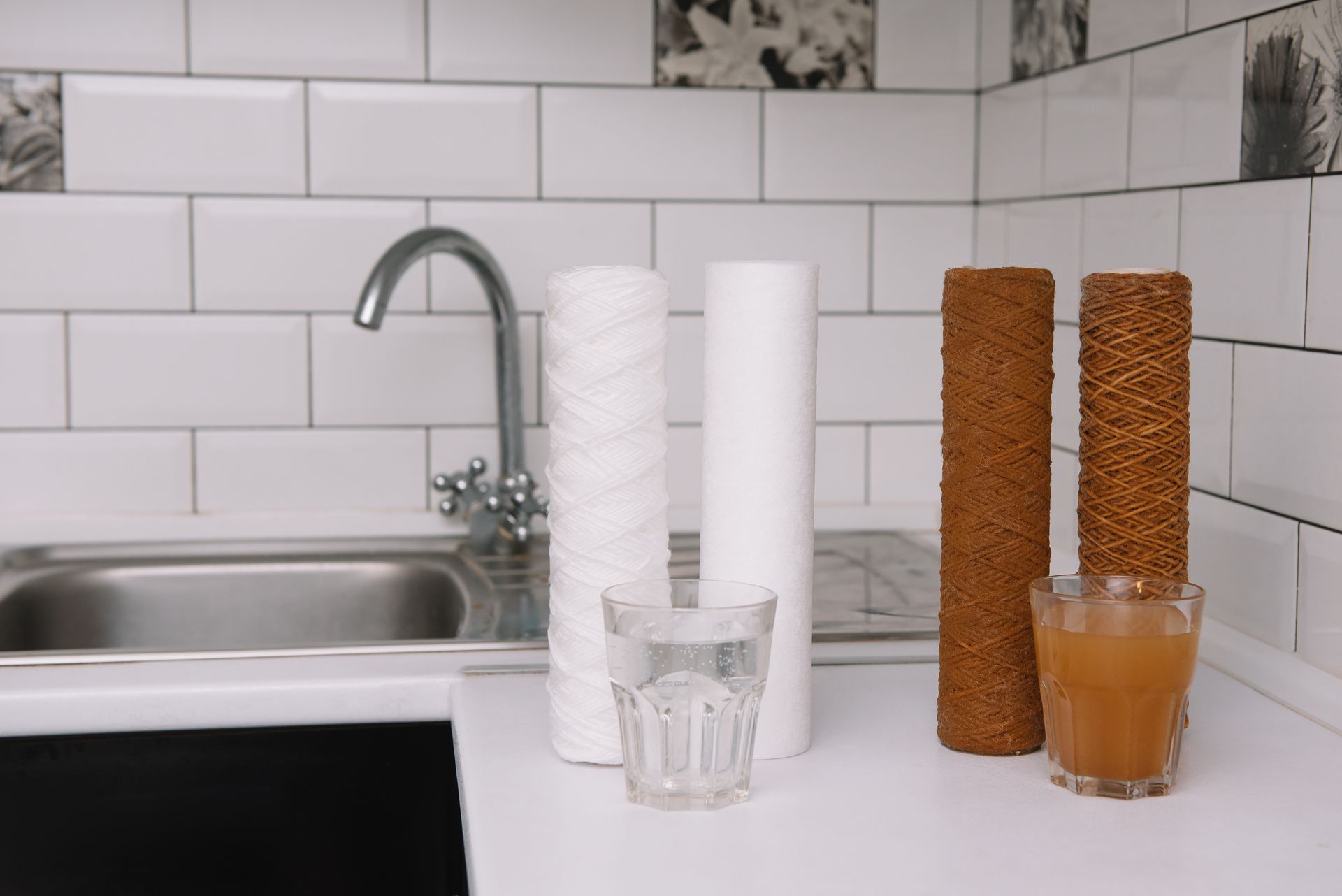
2. Sediment Buildup Can Affect Water Heater Performance
Water naturally contains dissolved minerals and, in some cases, suspended sediment.
Over time, these materials can accumulate inside a traditional tank water heater.
Sediment buildup can interfere with heat transfer, contribute to noise, and reduce overall heating performance.
Common signs include:
- Rumbling or popping sounds from the tank
- Hot water taking longer to recover
- Reduced heating efficiency
- Inconsistent hot water performance
- Mineral deposits around plumbing fixtures
Homes with hard water may experience additional scale buildup on heating surfaces.
Whittaker Water Tech offers
water softener systems to help manage hardness-related mineral buildup throughout residential water systems.
However, installing a softener will not automatically remove sediment or scale already inside a water heater.
A technician can determine whether maintenance, repair, or replacement is the most appropriate option.
3. A Heating Element or Thermostat May Be Failing
Electric tank water heaters commonly use heating elements controlled by thermostats.
If a heating element fails, the water heater may continue producing some hot water but struggle to heat the full tank or recover between uses.
For example, a failed lower heating element in a typical dual-element electric water heater can significantly reduce the available hot water supply.
Signs of a possible heating problem include:
- Hot water running out much faster than before
- Longer waiting periods between showers
- Water that never reaches its usual temperature
- Inconsistent temperatures throughout the day
- A sudden decline in water heater performance
Gas water heaters can also experience heating problems involving burners, gas controls, or other components.
Because these systems involve electricity, gas, and high-temperature water, internal repairs should be handled by a qualified professional.
Whittaker Water Tech provides
water heater repair and replacement for homeowners experiencing inconsistent or insufficient hot water.
4. A Damaged Dip Tube May Allow Cold Water to Mix Too Quickly
In many traditional tank water heaters, a dip tube directs incoming cold water toward the bottom of the tank.
This helps maintain separation between incoming cold water and the hotter water available near the top.
If the dip tube becomes damaged or breaks, incoming cold water may mix closer to the hot-water outlet.
As a result, the water delivered to your faucets can become cooler sooner than expected.
Possible symptoms include:
- A shower that starts hot but cools unusually quickly
- Less usable hot water than the tank previously supplied
- Inconsistent temperatures despite normal heater operation
Dip tube problems are not the most common cause of insufficient hot water, but they are worth considering when other explanations have been ruled out.
A professional inspection can help determine whether this component needs attention.
5. A Plumbing or Mixing Valve Problem May Be Responsible
Sometimes the water heater is producing enough hot water, but the plumbing system is not delivering it correctly.
A malfunctioning mixing valve can allow too much cold water into the hot-water supply.
Problems with certain shower cartridges or plumbing connections can also create unwanted mixing between hot and cold water.
These issues may cause:
- A shower that becomes cold while other faucets stay hot
- Unpredictable temperature changes
- Lukewarm water at specific fixtures
- Hot water performance that varies between bathrooms
If only one shower or faucet experiences the problem, a fixture-specific issue may be more likely than a failing water heater.
Whittaker Water Tech provides
general plumbing services to help identify problems with valves, fixtures, and residential water lines.
6. Your Household May Be Using More Hot Water Than the System Can Recover
Even a properly functioning water heater has limits.
A tank-style water heater needs time to heat incoming cold water after a significant amount of hot water has been used.
During periods of high demand, you may temporarily use hot water faster than the heater can recover.
This can happen when:
- Multiple showers occur back-to-back
- Hot water appliances run at the same time
- A bathtub is filled shortly before someone showers
- Outdoor temperatures lower the temperature of incoming water
- Household routines change and increase peak demand
The U.S. Department of Energy explains that water heater selection should account for household hot water demand and the equipment's ability to deliver heated water.
For additional information, review the
U.S. Department of Energy's water heating guide.
Why Does Hot Water Run Out Faster in the Winter?
Many Pennsylvania homeowners notice changes in hot water performance during colder months.
One possible explanation is the temperature of the incoming water.
During winter, the water entering your home may be colder than it is during warmer weather.
Your water heater must raise that colder water to the desired temperature, requiring more heating energy.
This can affect recovery time and, in some systems, the amount of hot water available during periods of high demand.
For example, a water heater that comfortably supports several showers during summer may have a harder time keeping up with the same routine in winter.
If your hot water supply becomes noticeably shorter every fall or winter, it may be worth evaluating whether the system is properly sized and operating efficiently.
How Can You Tell Whether Your Water Heater Needs Repair?
Before assuming the entire water heater needs replacement, consider when and where the problem occurs.
Does the Hot Water Run Out at Every Faucet?
If every hot water fixture experiences the same problem, the water heater or a shared plumbing component may be responsible.
If the problem occurs at only one fixture, a local mixing valve or faucet component may be involved.
Did the Problem Start Suddenly?
A sudden decline in available hot water can indicate a failed heating element, thermostat, or another equipment issue.
Gradual changes may be associated with mineral buildup, aging equipment, or increasing household demand.
Does the Water Heater Make Unusual Noises?
Popping, rumbling, or other unusual sounds may indicate sediment accumulation or another operating problem.
Persistent noises should be evaluated, particularly if they occur alongside inconsistent hot water.
Is There Water Around the Heater?
Water pooling around a water heater may indicate a leaking connection, valve, or tank.
If you notice an active leak, arrange professional service promptly. Avoid touching electrical equipment or attempting repairs in wet conditions.
Has Your Household's Hot Water Usage Changed?
Think about whether additional appliances, bathrooms, or household members have increased demand.
A properly functioning water heater may simply be unable to keep up with a new usage pattern.
Should You Repair or Replace a Water Heater That Runs Out of Hot Water?
The right decision depends on the equipment's age, condition, repair needs, and capacity.
Repair may make sense when:
- The heater is otherwise in good condition
- A replaceable component has failed
- The tank is not leaking
- The existing system meets household demand when functioning correctly
- The repair is economically reasonable
Replacement may make more sense when:
- The tank itself is leaking
- The heater has recurring breakdowns
- Major repairs are needed on an aging system
- The equipment is significantly undersized
- A different water heater design would better meet household needs
A professional evaluation can help determine whether repair or replacement offers better long-term value.
Can a Tankless Water Heater Help Prevent Running Out of Hot Water?
Tankless water heaters heat water as it flows through the equipment rather than storing a fixed amount of heated water in a tank.
When correctly sized and installed, they can provide continuous hot water during normal operation.
However, tankless systems are not unlimited.
Each unit has a maximum flow capacity, and colder incoming water can reduce the amount of hot water it can deliver at a given temperature.
If several showers and appliances operate simultaneously, an undersized tankless unit may struggle to maintain the desired temperature.
Whittaker Water Tech offers water heater services, including traditional and tankless systems. Our team can help evaluate which option makes sense for your household.
How Can You Make Your Hot Water Last Longer?
Several practical changes may help improve hot water availability.
- Space out showers. Allow your water heater time to recover between periods of heavy use.
- Avoid overlapping appliance use. Running the dishwasher and washing machine at different times may reduce peak demand.
- Consider water-efficient fixtures. Lower-flow showerheads can reduce the amount of hot water used during each shower.
- Schedule professional maintenance. Proper maintenance may help address sediment accumulation and identify developing equipment problems.
- Evaluate water hardness. Managing hard water may help reduce future scale buildup on water-heating components.
- Review water heater sizing. If demand regularly exceeds capacity, a different system may be appropriate.
Avoid increasing your water heater temperature excessively to compensate for insufficient capacity. Higher temperatures increase scalding risk, particularly for children and older adults.
Get Reliable Hot Water With Whittaker Water Tech
Running out of hot water can disrupt your entire household, especially during colder Pennsylvania mornings.
Whether the cause is sediment buildup, a failed heating component, an undersized tank, or a plumbing issue, identifying the problem is the first step toward a lasting solution.
Whittaker Water Tech provides water heater repair, installation, and replacement throughout Monroe, Northampton, and Carbon Counties, including Brodheadsville, Stroudsburg, East Stroudsburg, Bethlehem, and nearby communities.
Our locally owned team can inspect your water heating system, explain the available options, and recommend a solution based on your household's needs.
Contact
Whittaker Water Tech today to request a free estimate for water heater service.