Why Does My Water Pressure Drop When Multiple Faucets Are Running?

October 28, 2026

Does your shower suddenly lose pressure when someone turns on the kitchen sink? Maybe your washing machine fills slowly whenever another faucet is running. If your home's water pressure drops when multiple fixtures are used, the problem may involve restricted water flow, an undersized supply line, a clogged filter, or an issue with your well pump or pressure tank.

Some reduction in water flow during simultaneous use is normal, but a dramatic or worsening drop can indicate a problem that needs attention.


At Whittaker Water Tech, we help homeowners throughout Monroe, Northampton, and Carbon Counties, PA, identify and resolve water pressure problems. Understanding what causes these changes can help you determine when a simple adjustment is enough and when professional service is needed.


Why Does Water Pressure Drop When Two Faucets Are Running?

Your home's plumbing system has a limited amount of water it can deliver at any given time.

When you turn on one faucet, the available water flows through that fixture. When another faucet, shower, or appliance starts using water, the system must divide its available flow among multiple outlets.


If the plumbing system cannot deliver enough water to meet that combined demand, you may notice:

  • A weaker shower when someone flushes a toilet
  • Slower water flow at kitchen and bathroom sinks
  • A washing machine that fills more slowly than usual
  • Water pressure that fluctuates while appliances operate
  • A noticeable drop in flow when outdoor faucets are used


The severity of these symptoms depends on your water supply, pipe sizes, plumbing condition, and the number of fixtures running.


What Causes Low Water Pressure When Multiple Fixtures Are Used?

Several different plumbing and water system issues can produce similar symptoms.


1. Clogged Water Filters Restrict Flow

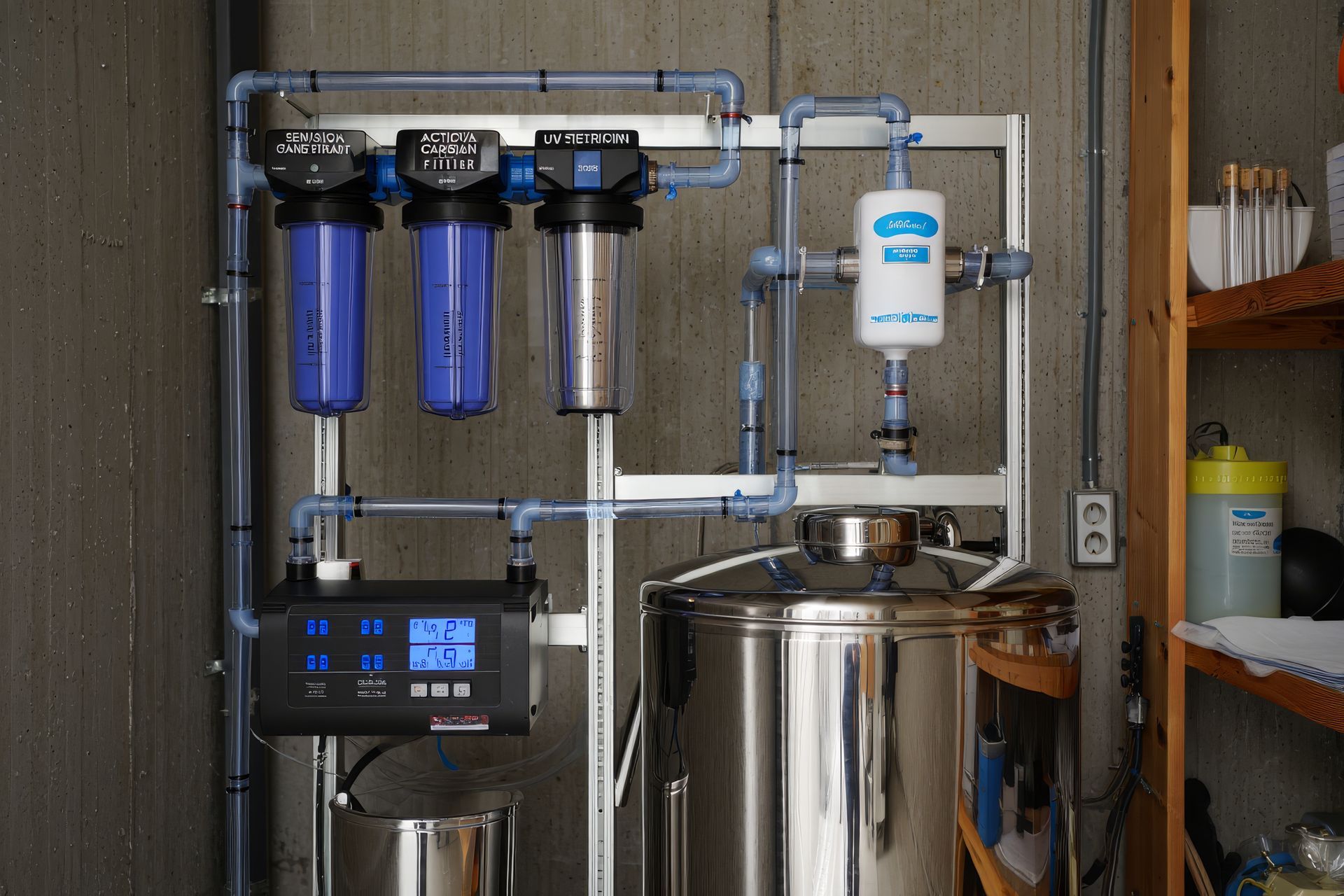
Whole-house sediment filters protect plumbing and water-using appliances by capturing particles before they travel through your home's water system.


However, a filter that becomes heavily loaded with sediment can restrict water flow.

You might not notice the restriction while using one faucet. When several fixtures operate simultaneously, the reduced flow capacity becomes much more noticeable.


Common warning signs include:

  • Water pressure gradually getting worse
  • Reduced flow throughout the house
  • Filters requiring replacement more frequently
  • Pressure improving after proper filter maintenance


If your home uses a filtration system, check the manufacturer's recommended maintenance schedule.


Whittaker Water Tech offers water filtration systems designed around individual household water quality concerns.


2. Your Well Pump May Not Be Keeping Up With Demand

Many homes throughout the Poconos rely on private wells rather than municipal water systems.

A well pump moves groundwater into the home's water distribution system. If the pump cannot supply enough water to meet demand, multiple running fixtures may reveal the limitation.


Potential causes include:

  • A worn or failing well pump
  • A pump that is not properly sized for household demand
  • A restricted well supply line
  • Low well yield during periods of heavy water use
  • Problems with the pump's electrical controls


A pressure drop does not automatically mean your well pump needs replacement.


According to Penn State Extension's guidance on low-yielding wells, a well's ability to supply water and the system's available storage both influence performance during periods of higher demand.


Whittaker Water Tech provides well pump installation and repair to help identify equipment problems and restore dependable water delivery.


3. A Faulty Pressure Tank Can Cause Fluctuating Water Pressure

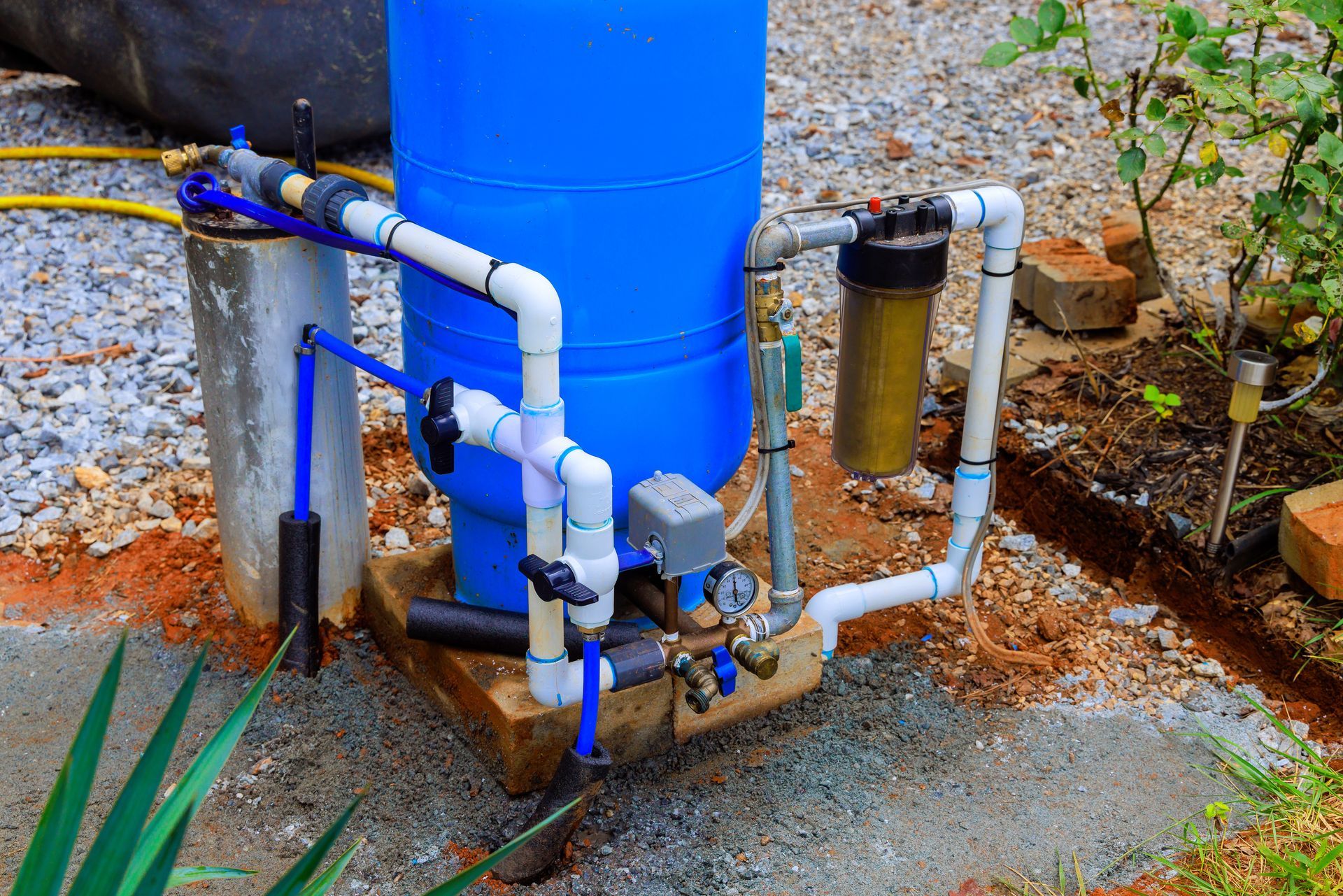
If your home uses a private well, the pressure tank helps maintain water pressure between pump cycles.


When the tank or its controls are not functioning correctly, you may experience inconsistent pressure.


Signs of possible pressure tank trouble include:

  • Rapid pressure fluctuations
  • A well pump that switches on and off frequently
  • Water pressure that changes unexpectedly
  • Unusual noises near the pressure tank
  • Pressure dropping sharply during water use


A damaged pressure tank bladder, incorrect air charge, or malfunctioning pressure switch can affect system operation.


These components should be inspected by a qualified technician because pressure tanks contain stored pressure and well pump controls involve electricity.


4. Mineral Buildup or Aging Pipes May Restrict Water Flow

Over time, mineral deposits, corrosion, and accumulated sediment can narrow the effective opening inside plumbing components.


This is particularly relevant in homes with hard water or older piping.


A partially restricted pipe may still supply one faucet adequately. When multiple fixtures are running, however, the restriction can prevent enough water from reaching each outlet.


Potential warning signs include:

  • Reduced water flow that develops gradually
  • Different pressure levels throughout the home
  • Visible mineral buildup around fixtures
  • Repeated problems with faucet aerators
  • Poor performance even when the well pump is working properly


Water softening can help manage hardness-related scale, but it will not remove every existing pipe restriction or resolve corrosion damage.


If you suspect a plumbing restriction, Whittaker Water Tech provides general plumbing services throughout the surrounding Pennsylvania service area.


5. Your Home's Supply Line May Be Too Small

Some plumbing systems simply cannot deliver enough water for the number of fixtures being used.


For example, an older home may have supply piping that was adequate when originally installed but struggles to support additional bathrooms, appliances, or outdoor water connections.


The problem can become more noticeable after:

  • Adding another bathroom
  • Installing a high-flow shower fixture
  • Connecting new water-using appliances
  • Expanding household water demand
  • Increasing simultaneous indoor and outdoor water use


A plumber can evaluate whether pipe sizing or another restriction is contributing to the problem.


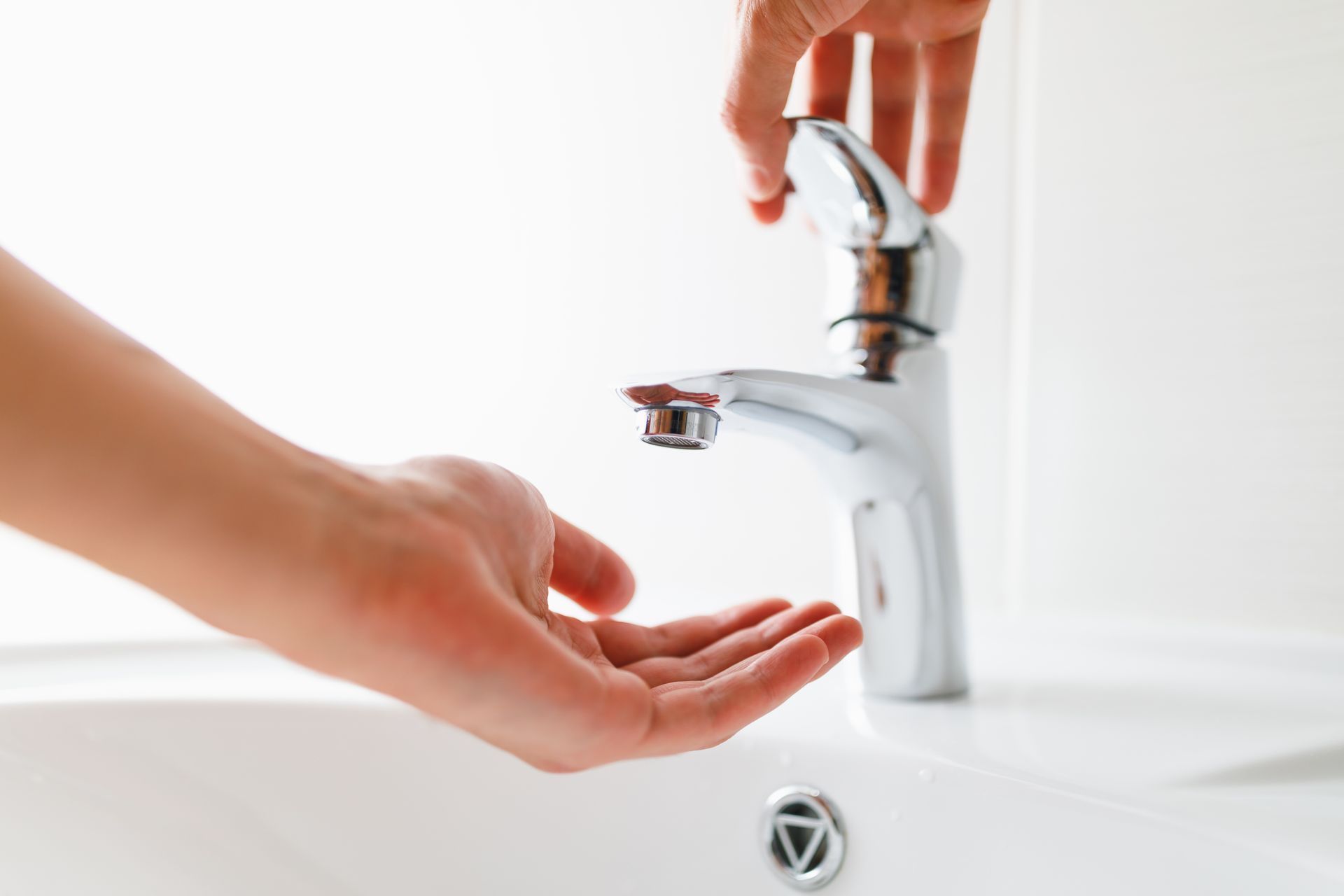
Hand sitting under a faucet being turned on

Is It Water Pressure or Water Flow?

Although homeowners often use these terms interchangeably, water pressure and water flow are different.


Water pressure refers to the force pushing water through your plumbing system, commonly measured in pounds per square inch (PSI).


Water flow refers to the amount of water delivered over time, commonly measured in gallons per minute (GPM).


A home can have adequate static water pressure but still experience poor flow when multiple fixtures are running.


For example, a pressure gauge may show a normal reading when no faucets are open. Once several fixtures begin using water, restricted piping or insufficient pump capacity can limit the amount of water available.


Identifying the difference is important because increasing the pressure setting will not necessarily solve a flow restriction.


How Can You Check Water Pressure Problems at Home?

Before scheduling a service appointment, a few simple observations can help narrow down the issue.


Test One Fixture at a Time

Turn on one faucet and observe the water flow. Then open a second faucet and note how much the first one changes.


Repeat the test with different fixtures.


If every fixture experiences a major reduction, the issue may involve the main supply or a shared component.


Compare Hot and Cold Water

Check whether the problem affects hot water, cold water, or both.


If only hot water flow is weak, the restriction may be associated with the water heater or hot-water plumbing.


If both are affected, the problem may be farther upstream in the system.


Check for Visible Leaks

Look for water around accessible pipes, valves, plumbing connections, and water treatment equipment.


An active leak can reduce available water and may require prompt repair.


Review Filter Maintenance

If your home has a whole-house sediment filter, review its maintenance history and the manufacturer's replacement instructions.


Do not bypass treatment equipment or open pressurized filter housings without following the proper safety procedure.


Note When the Problem Started

Did the issue appear suddenly, or has it gradually become worse?


A sudden pressure loss can indicate a leak, equipment failure, or supply interruption. Gradual changes may suggest a developing restriction or worn equipment.


These observations can help a professional diagnose the problem more efficiently.


When Should You Call a Professional for Low Water Pressure?

Consider scheduling professional service when:

  • Water pressure drops significantly whenever two fixtures run
  • Your well pump cycles unusually frequently
  • The problem affects the entire house
  • Water pressure suddenly becomes much weaker
  • You notice leaks, unusual noises, or discolored water
  • Filter maintenance does not improve performance
  • Your household frequently struggles to use multiple fixtures


If pressure loss is sudden or accompanied by an active leak, prompt attention is especially important.


Whittaker Water Tech offers emergency plumbing services for urgent water supply and plumbing problems.


Get Help With Low Water Pressure in the Poconos

Low water pressure can make ordinary household activities frustrating, especially when multiple people need water at the same time.


The solution depends on identifying the actual cause rather than replacing equipment unnecessarily.


Whittaker Water Tech provides plumbing repairs, well pump services, and water treatment solutions throughout Monroe, Northampton, and Carbon Counties, including Brodheadsville, Stroudsburg, East Stroudsburg, Bethlehem, and surrounding communities.


Whether your home has a clogged filter, a well pump issue, or a plumbing restriction, our team can help evaluate the problem and recommend the appropriate next step.


Contact Whittaker Water Tech today for a free estimate.

  • Is it normal for water pressure to drop when two faucets run?

    A small reduction can be normal because the fixtures share the available water supply. A substantial drop may indicate restricted flow, insufficient supply capacity, or a plumbing problem.

  • Can a clogged water filter cause low pressure throughout the house?

    Yes. A clogged whole-house filter can restrict the amount of water entering the plumbing system, making pressure and flow problems more noticeable when several fixtures are operating.

  • Can a bad pressure tank cause low water pressure?

    Yes. A faulty pressure tank or pressure control component can cause fluctuating pressure, frequent pump cycling, and inconsistent water delivery in homes with private wells.

  • Why does my shower pressure drop when someone flushes the toilet?

    The shower and toilet share part of the home's water supply. When the toilet refills, it increases demand. If the plumbing cannot deliver enough flow to both fixtures, shower performance may decrease.

  • Should I replace my well pump if water pressure drops?

    Not necessarily. Clogged filters, pressure tank problems, restricted piping, and low well yield can produce similar symptoms. A professional diagnosis can determine whether the pump actually needs repair or replacement.

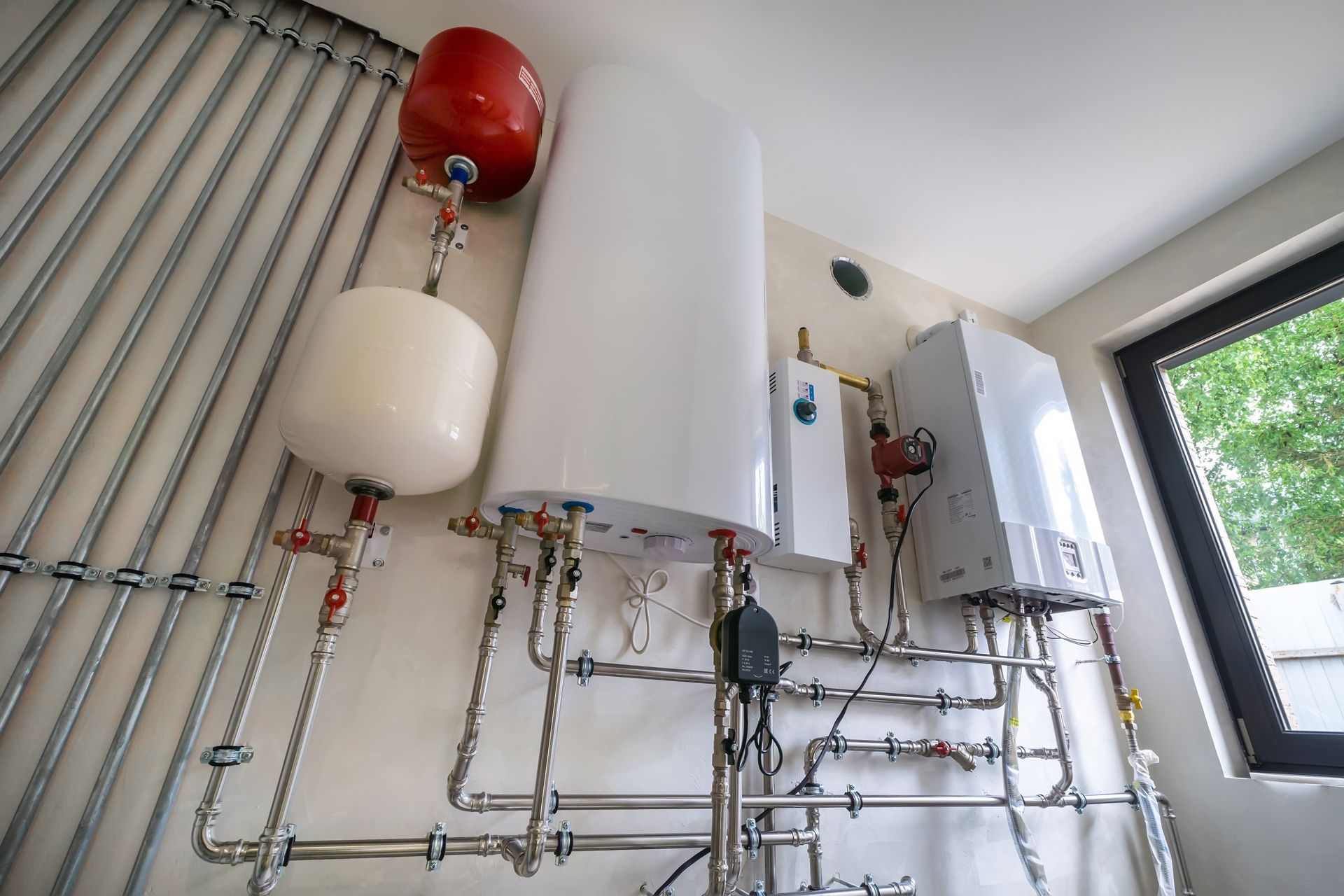
Residential tank water heater in a utility room supplying hot water to household showers and faucets
October 28, 2026
Does your hot water run out too quickly? Discover common water heater problems, practical solutions, and when to call Whittaker Water Tech.
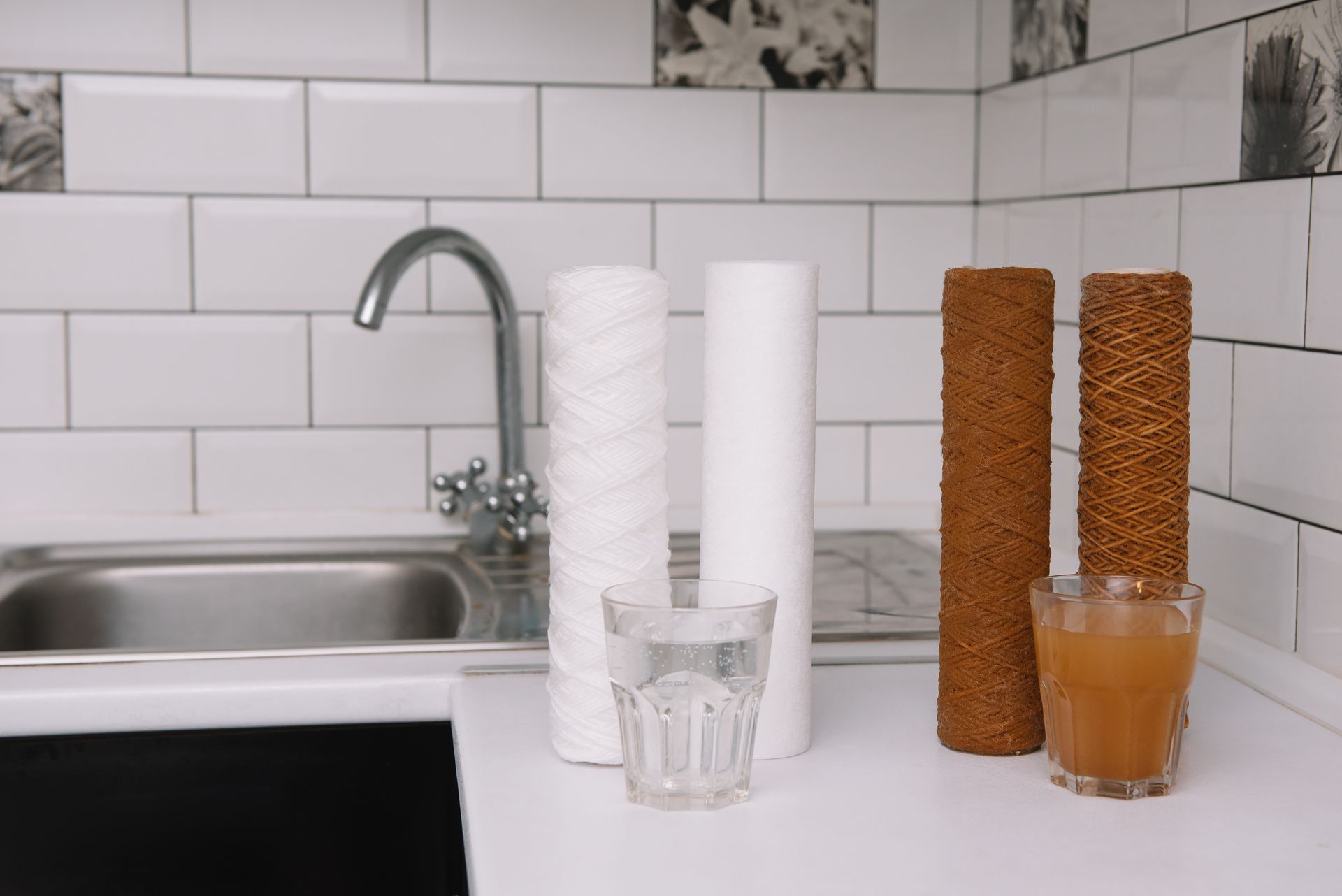
Kitchen counter with stacked paper towels, cork blocks, a glass of water, and a glass of juice by the sink
September 11, 2026
Orange stains in your sink, tub, or toilet may point to iron in well water. Learn the causes, signs, testing options, and treatment solutions.
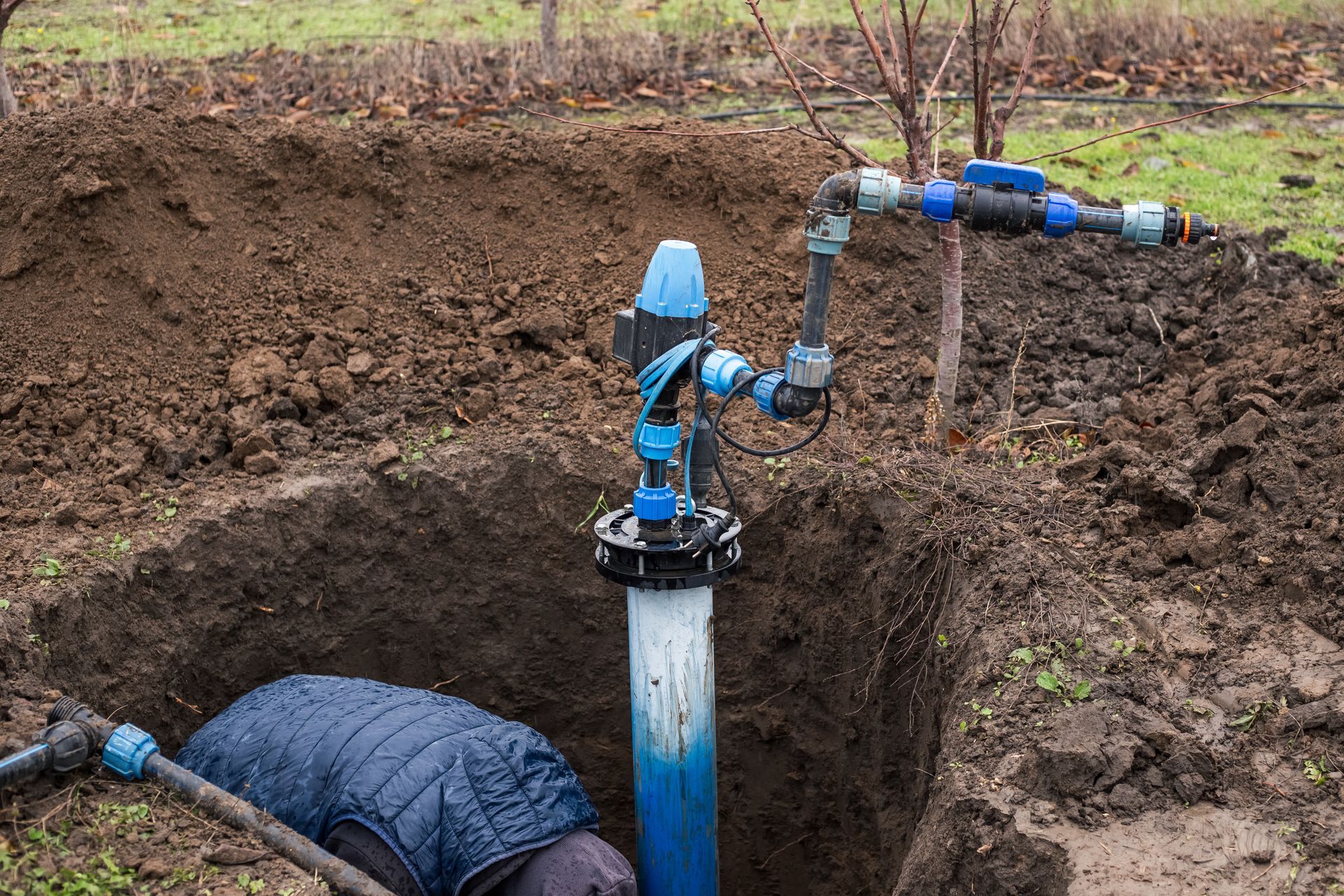
Blue irrigation valve in a muddy trench, with pipes and an open dirt excavation around it.
August 17, 2026
Does your well water smell like rotten eggs? Learn what causes sulfur odors, how to identify the source, and which water treatment options can help.
Glass pitcher and tumbler of water on a kitchen counter with blurred dishes in the background
July 10, 2026
Learn five common signs your home may benefit from a water treatment system and discover how Whittaker Water Tech can improve your water quality.
Clear water pouring into a glass on a blue background
June 15, 2026
Learn when a whole house water filtration system or ATS filtration system may be necessary to improve water quality throughout your home.
Chrome faucet dripping water over a sink, with a blurred bathroom background
May 8, 2026
Learn the immediate steps to take when your home suddenly loses water and how to troubleshoot common well system problems safely.
A row of industrial water filtration tanks with digital control heads installed in a mechanical utility room.
April 16, 2026
Discover how water softener installation protects your plumbing, improves skin and hair, and enhances water quality.
A water filtration system with blue and clear housings, a digital control panel, and a large stainless steel storage tank.
March 20, 2026
Learn how UV water purification kills bacteria in well water without chemicals and why it’s a top water treatment solution in 2026.
Blue water tank with white pipes, filter, and control box outdoors on a concrete base.
February 1, 2026
Learn how heavy spring rain affects private well water quality and why testing and treatment are essential for safe drinking water.
Hand filling a clear glass with water from a kitchen faucet.
January 7, 2026
Learn how cold weather affects water quality, including frozen pipes, mineral buildup, and winter challenges for water treatment systems.
Show More