Why Does Well Water Leave Orange Stains?
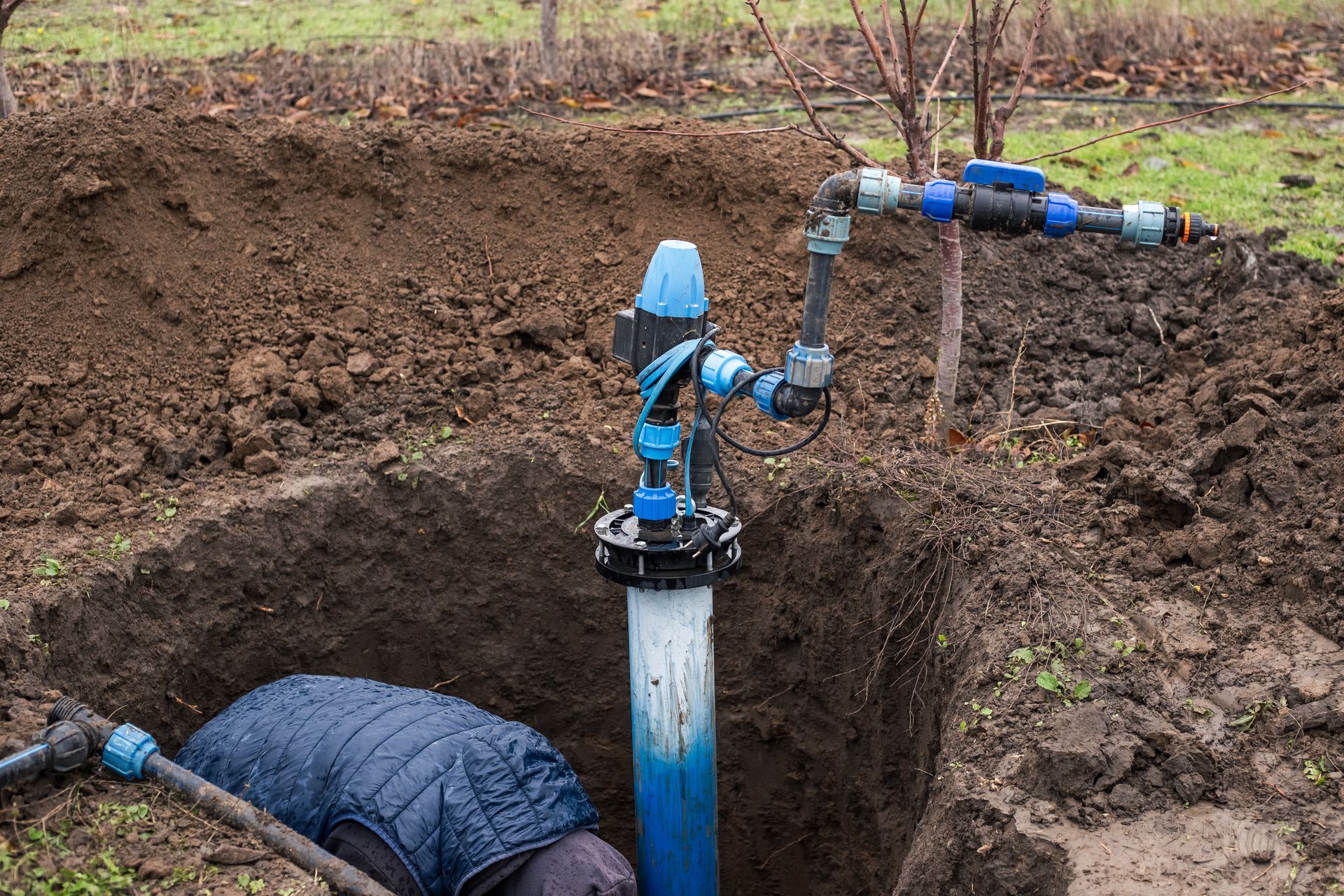
Iron can enter groundwater naturally as water moves through soil, rock, and mineral deposits. A private well can then carry dissolved iron into your home's water supply.
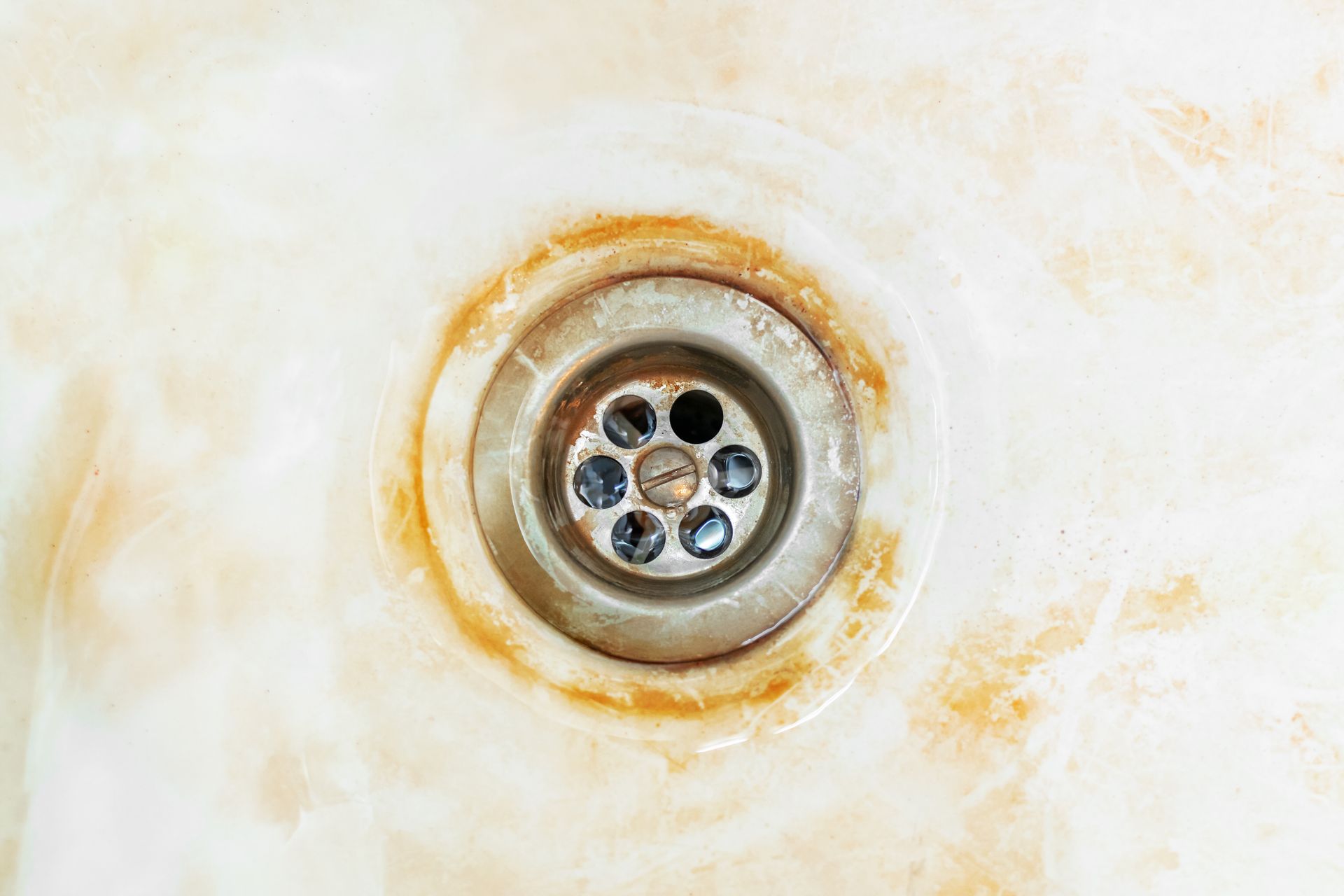
Sometimes, iron-containing water may initially appear clear. After the water reaches your sink, tub, or toilet and is exposed to oxygen, the dissolved iron can oxidize. This process can create the familiar orange or reddish-brown color associated with rust.
Water containing dissolved iron may initially look colorless before orange-brown particles and stains appear after exposure to oxygen.
For homeowners who rely on private wells, recurring staining is a good reason to investigate what's actually in the water.
What Are the Signs of Iron in Well Water?
Orange staining is one of the most recognizable symptoms, but it isn't the only possible sign.
Iron in well water may be associated with:
- Orange, red, or brown stains around sinks and tubs
- Rust-colored rings inside toilet bowls or tanks
- Discoloration on fixtures
- Orange or brown staining on laundry
- Metallic-tasting water
- Sediment or visible particles
- Water that looks clear at first but becomes discolored after sitting
The
U.S. Environmental Protection Agency lists iron as a secondary drinking water contaminant with a secondary maximum contaminant level of 0.3 mg/L. The EPA associates iron above this level with effects such as rusty color, sediment, metallic taste, and reddish or orange staining.
Because similar symptoms can sometimes have different causes, however, appearance alone shouldn't be used to select a treatment system.
Why Does Clear Well Water Turn Orange After Sitting?
This can happen when iron is present in a dissolved form.
Underground, groundwater conditions may allow iron to remain dissolved and practically invisible. Once the water is pumped into your home and exposed to oxygen, the iron can change into an oxidized form that becomes visible.
That's why you might pour what appears to be perfectly clear water only to notice orange-brown discoloration or particles later.
This distinction matters when choosing a treatment method. The form of iron, its concentration, the water's pH, and the presence of other water-quality issues can all influence which treatment approach makes the most sense.
Is Iron in Well Water Dangerous?
Iron in drinking water is generally treated as an aesthetic rather than health-based concern at typical nuisance levels. The EPA's 0.3 mg/L value for iron is a
secondary, non-enforceable standard addressing issues such as taste, color, sediment, and staining rather than a primary health-based drinking water standard.
That doesn't mean homeowners should simply ignore an iron problem.
Persistent iron can make water unpleasant to use, stain fixtures and clothing, contribute to sediment, and create ongoing cleaning headaches. More importantly, visible staining doesn't tell you everything that may be present in a private well.
If your water's appearance, taste, or odor changes, proper testing can provide a clearer picture of its overall condition.
Can Iron in Well Water Affect Your Plumbing and Appliances?
Iron-related sediment and deposits can create problems beyond cosmetic staining.
Over time, problem water can contribute to buildup in fixtures and water-using equipment. You may find yourself repeatedly scrubbing sinks and toilets, treating stained laundry, or dealing with deposits in areas where water regularly sits.
Instead of continually treating the stains themselves, identifying and treating the source of the problem can provide a more practical long-term approach.
Whittaker Water Tech offers
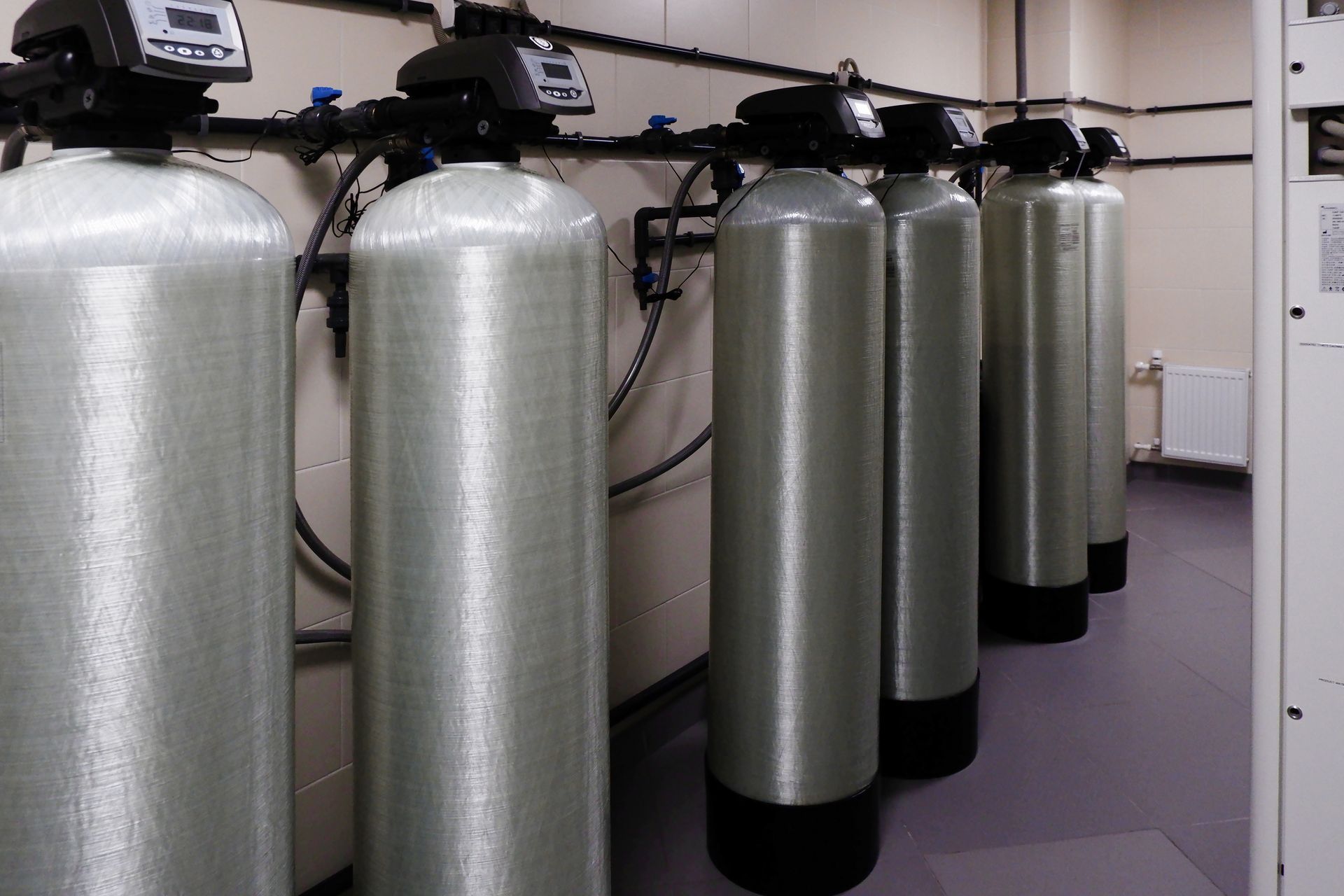
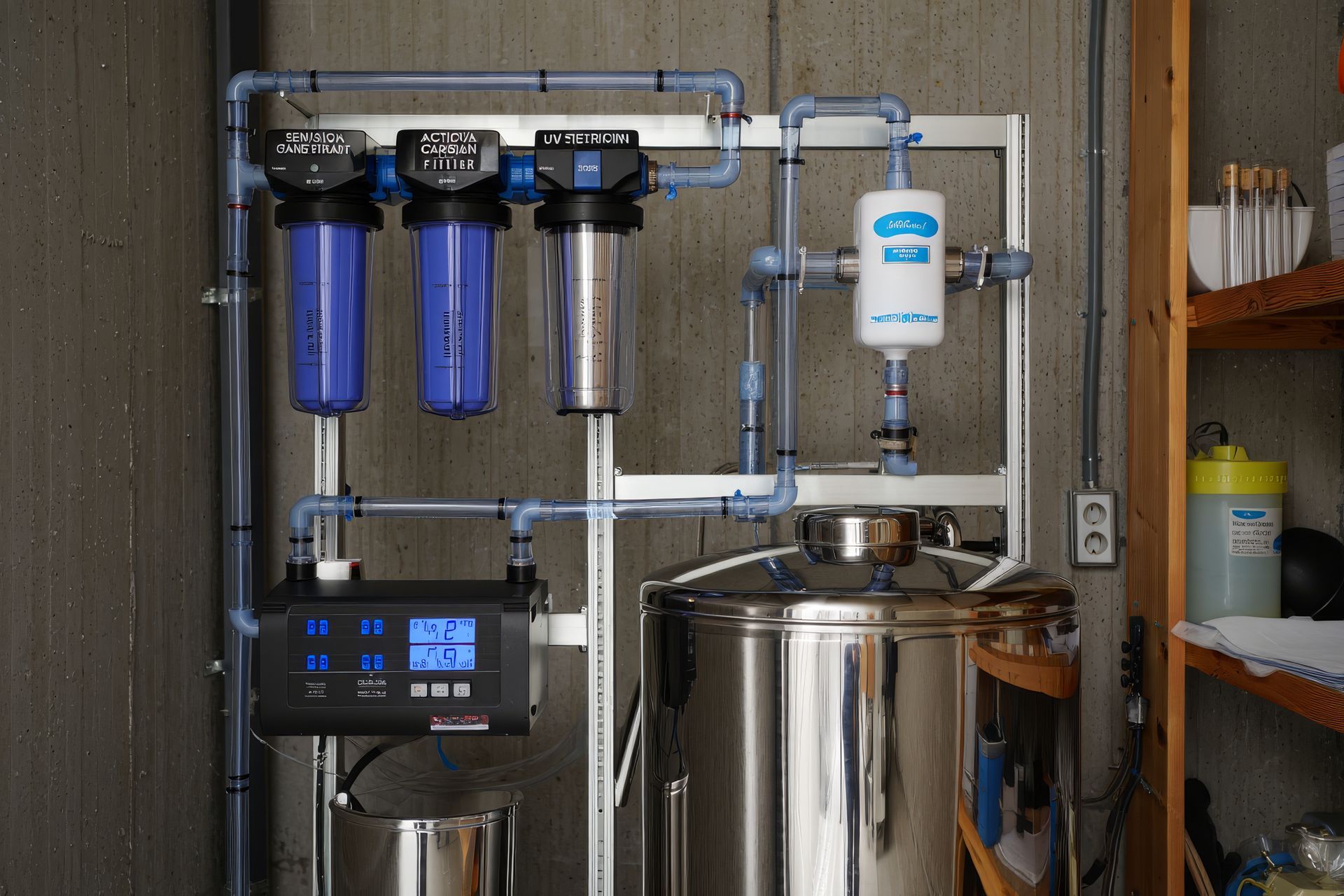
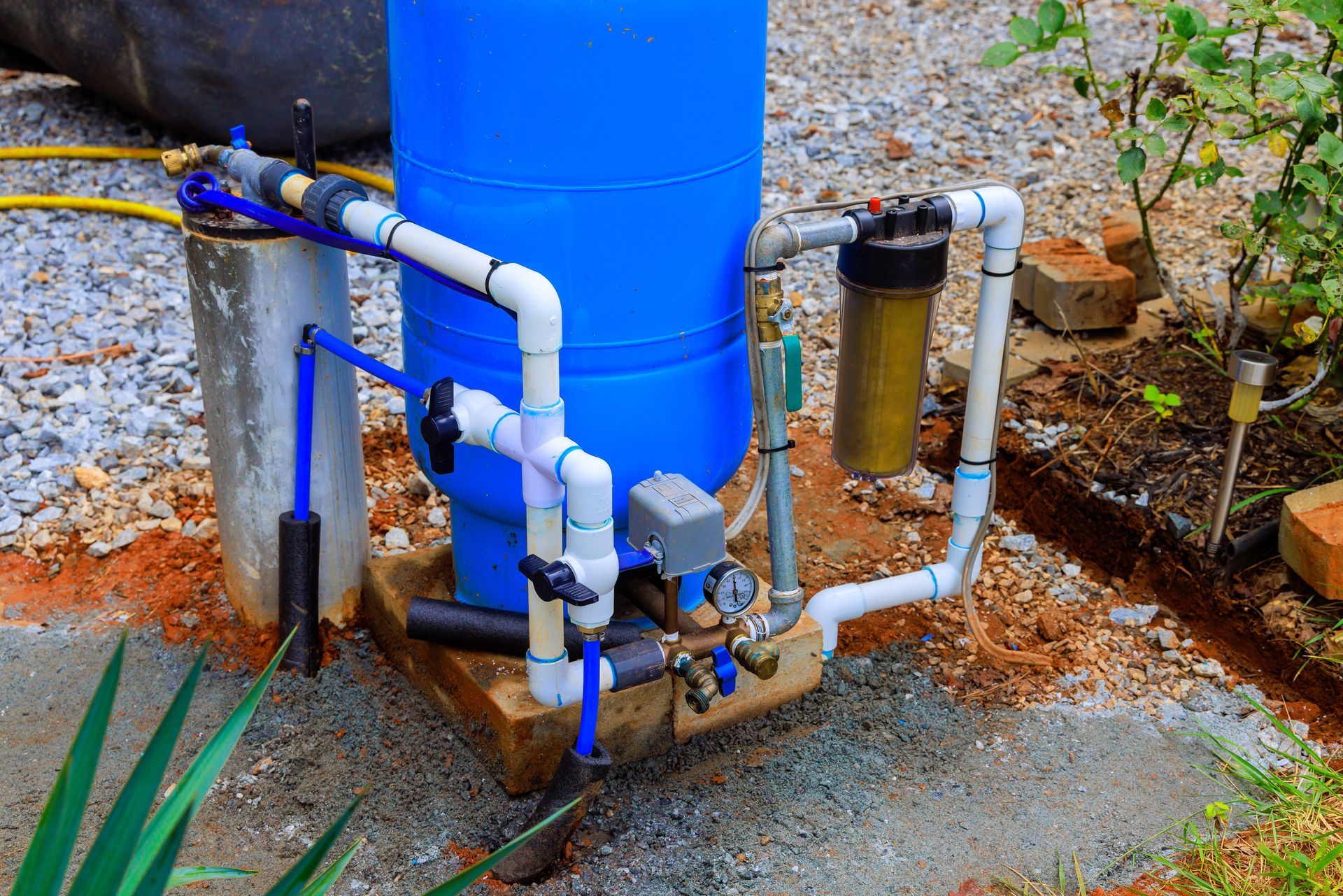
Problem Water Systems designed around specific concerns such as iron, manganese, sulfur, sediment, and acidic water. Addressing the actual water condition can help improve water quality throughout the home.
Is Orange Staining Always Caused by Iron?
Not necessarily, which is another reason water testing is valuable.
Iron is strongly associated with orange and reddish-brown staining. Manganese, another mineral that can occur in groundwater, is more commonly associated with dark brown or black staining and particles.
Other water conditions can produce different clues. For example, blue-green staining can be associated with copper and corrosive water, while white or gray scale is more characteristic of hard water minerals.
Instead of diagnosing a water problem based solely on color, consider the full set of symptoms:
- What color are the stains?
- Does the water have a metallic taste?
- Is there sediment?
- Does the water change color after sitting?
- Are there unusual odors?
- Are stains appearing throughout the home or at one fixture?
These observations, combined with water analysis, can make diagnosis much more useful.
Should You Test Well Water for Iron?
Yes. If you're seeing persistent orange-brown stains or noticing a metallic taste, testing for iron and manganese can help confirm the cause and guide treatment.
Penn State Extension recommends testing when these symptoms occur because knowing both the concentration and form of iron or manganese can help determine practical treatment options.
Testing is especially important because private well owners are responsible for managing their own water supplies. A visible iron problem may be obvious, while other water-quality concerns may produce few or no noticeable changes in taste, smell, or appearance.
Whittaker Water Tech offers a
free basic water analysis to help homeowners begin identifying their water concerns and determine which type of treatment may be appropriate.
How Do You Remove Iron From Well Water?
There isn't one iron-removal system that's appropriate for every home.
The best approach depends on factors such as:
- How much iron is present
- Whether the iron is dissolved or already oxidized
- The water's pH
- Whether manganese is also present
- Water hardness
- Other water-quality concerns
- Household water usage
Depending on the water conditions, treatment may involve filtration, oxidation-based treatment, or—in some cases involving lower concentrations and appropriate conditions—a water softener capable of handling iron.
That's why purchasing equipment based only on an orange stain can lead to disappointing results.
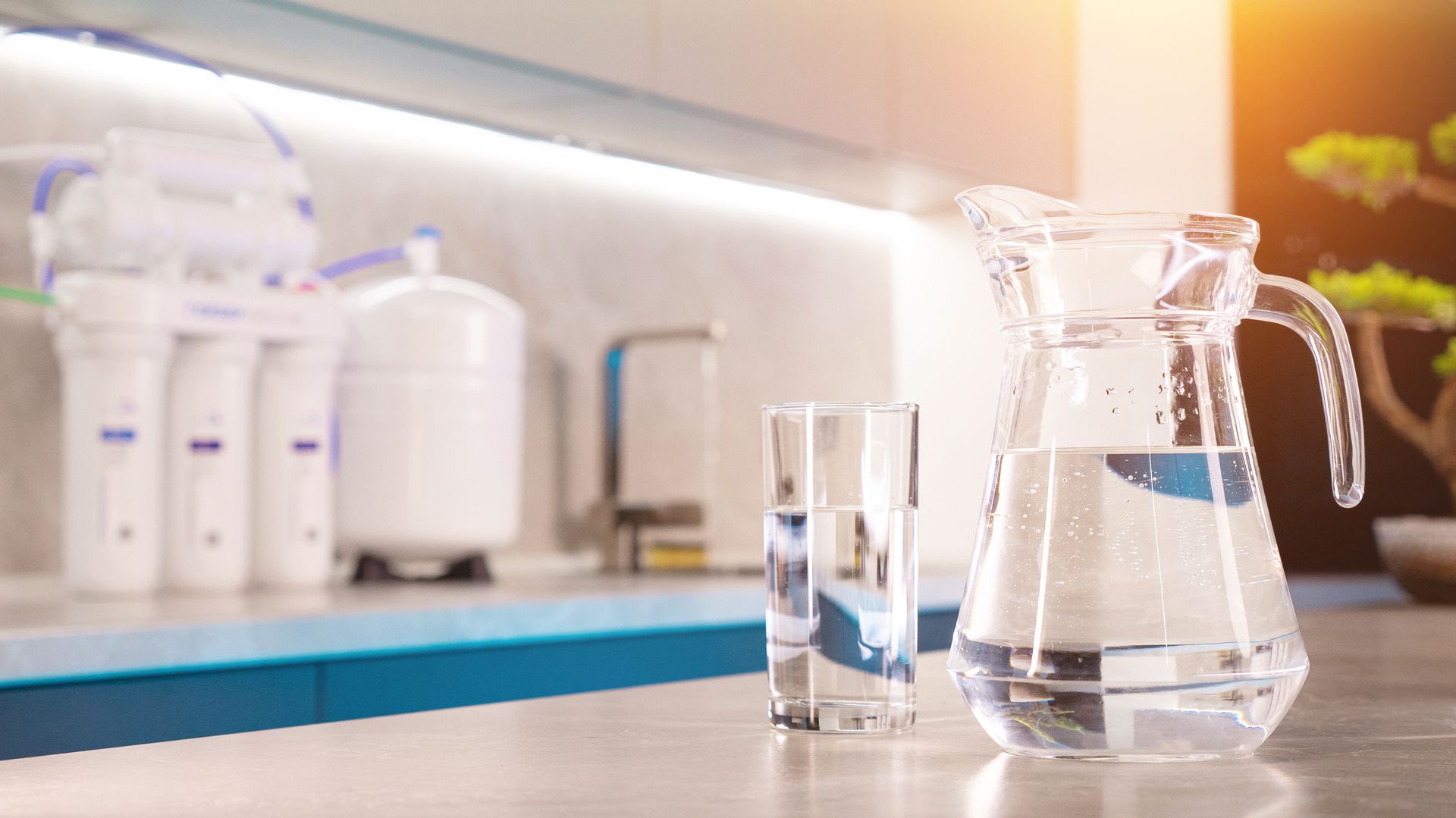
A better approach is to identify the problem first and then select equipment designed for the home's actual water conditions.
Will a Water Softener Remove Iron From Well Water?
A water softener may help with certain forms and lower concentrations of iron, but it is not the correct solution for every iron problem.
Water softeners are primarily designed to address hardness minerals such as calcium and magnesium. Under appropriate conditions, some systems can also remove limited amounts of dissolved iron. Higher iron concentrations, oxidized iron, manganese, unusual pH, or other water problems may require different treatment.
If your home has both hard water and orange staining, it's particularly important to determine what's in the water before assuming one piece of equipment will solve both issues.
Whittaker's
Water Softeners can address hard-water problems, while its
Water Filtration Systems and specialized problem-water treatment options can be tailored to other water-quality concerns.
What's the Best Way to Stop Orange Well Water Stains?
The best long-term solution is to address the iron in the water rather than repeatedly cleaning the stains it leaves behind.
Start by having the water evaluated. Once you understand what's causing the staining, an appropriate whole-home treatment system can address the water before it reaches your sinks, tubs, toilets, laundry, and other fixtures.
For homes dealing with iron, sulfur, manganese, sediment, or other challenging water conditions, Whittaker Water Tech provides customized
Problem Water Systems based on the home's specific water concerns.
Get Help With Iron and Problem Well Water in Northeast Pennsylvania
Orange stains don't have to become a permanent part of owning a home with a private well.
Whittaker Water Tech provides water treatment solutions for homeowners throughout Monroe, Northampton, and Carbon counties in Pennsylvania. Whether you're dealing with orange staining, metallic-tasting water, sediment, sulfur odors, hardness, or another water-quality concern, identifying the source is the first step toward choosing the right solution.
Start with a free basic water analysis and let Whittaker Water Tech help determine which treatment option fits your home's water.