How Often Should You Change a Whole-House Water Filter?
There isn't one replacement schedule that works for every household.
The lifespan of a whole-house filter depends on several factors, including the type of filtration media, the amount of water your household uses, and the contaminants being removed.
Here are some general maintenance considerations:
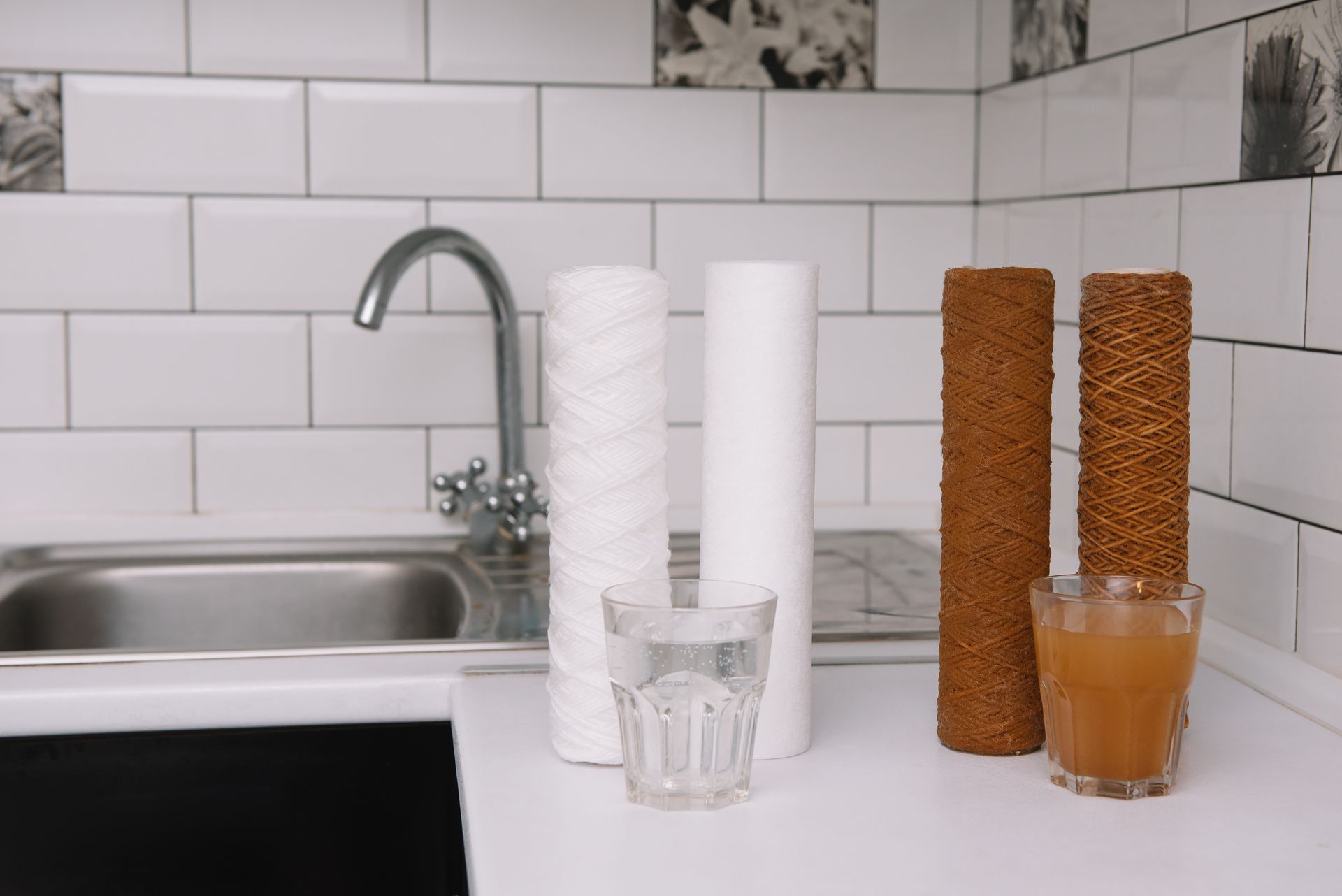
- Sediment filter cartridges: Many require replacement approximately every 3 to 6 months, although high sediment levels may shorten their lifespan.
- Carbon filter cartridges: Replacement intervals vary significantly depending on cartridge capacity, water conditions, and manufacturer specifications.
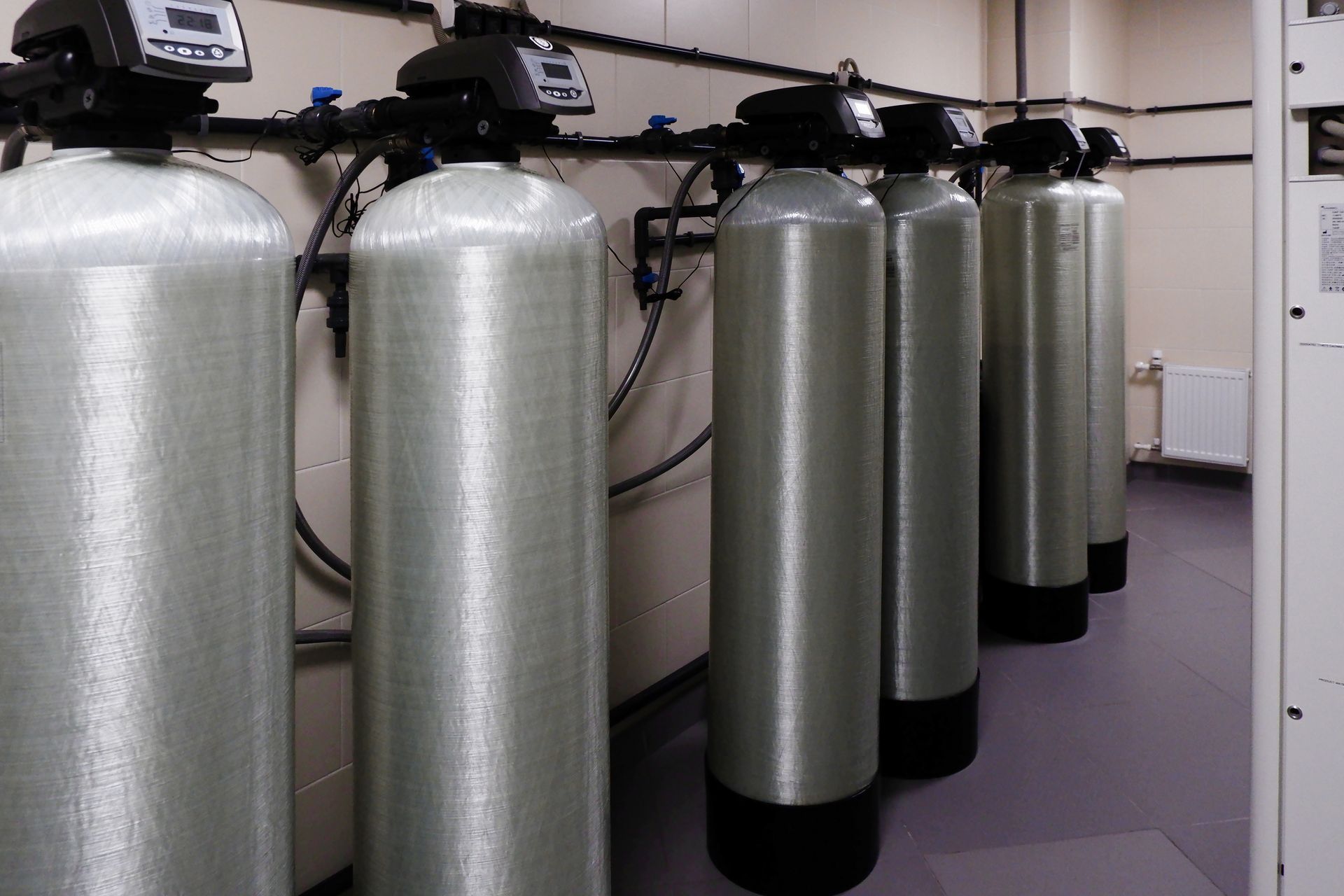
- Backwashing filtration systems: These may use long-lasting filtration media with automatic cleaning cycles rather than frequent cartridge changes.
- Specialty filtration media: Iron, manganese, and other treatment systems may have separate service schedules based on equipment design and water chemistry.
These are general guidelines, not universal requirements. Always follow the manufacturer's instructions for your specific equipment.
If you're unsure which type of filter your home uses, a professional water treatment evaluation can help identify the system and its maintenance needs.
What Factors Affect Whole-House Water Filter Lifespan?
Two households with similar filtration systems may have very different maintenance requirements.
1. Sediment Levels in Your Water
Sediment is one of the biggest factors affecting the lifespan of a replaceable filter cartridge.
Sand, silt, rust particles, and other suspended materials accumulate as water passes through the filter.
Over time, this buildup can restrict water flow and reduce system performance.
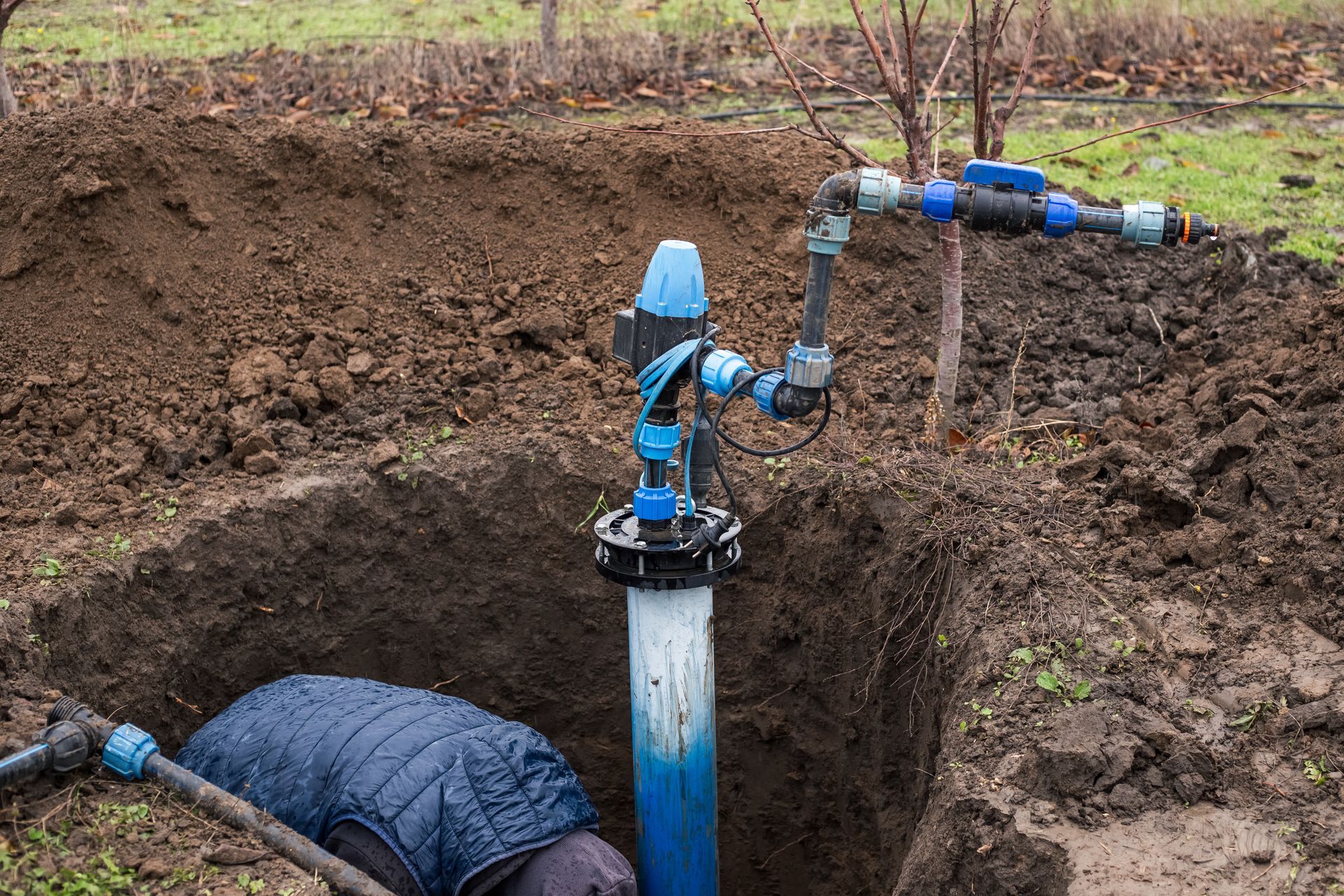
Private well owners may experience changing sediment levels due to groundwater conditions, well construction, or changes in pumping activity.
If your filter repeatedly clogs earlier than expected, you may benefit from a professional evaluation of your
sediment filtration system.
2. Household Water Consumption
The more water your household uses, the more water passes through your filtration equipment.
Larger families, frequent laundry, multiple bathrooms, and other water-intensive activities can increase the amount of material captured by a filter.
Some manufacturers specify replacement intervals based on gallons treated rather than calendar months.
Tracking household water usage can help you determine whether your filter is reaching its rated capacity sooner than expected.
3. Filter Type and Micron Rating
Not all filter cartridges are designed to capture the same particles.
A filter's micron rating describes the approximate size of particles it is designed to capture, although actual performance also depends on whether the rating is nominal or absolute.
A finer filter may capture smaller particles but can clog more quickly when water contains substantial sediment.
Selecting an overly fine cartridge without considering water conditions may create unnecessary pressure loss.
The right filtration setup should balance particle removal, water flow, and maintenance requirements.
4. Changes in Water Quality
Water conditions can change over time, especially in homes supplied by private wells.
Heavy rainfall, changes in groundwater levels, well maintenance, or other disturbances may affect the amount of sediment entering a filtration system.
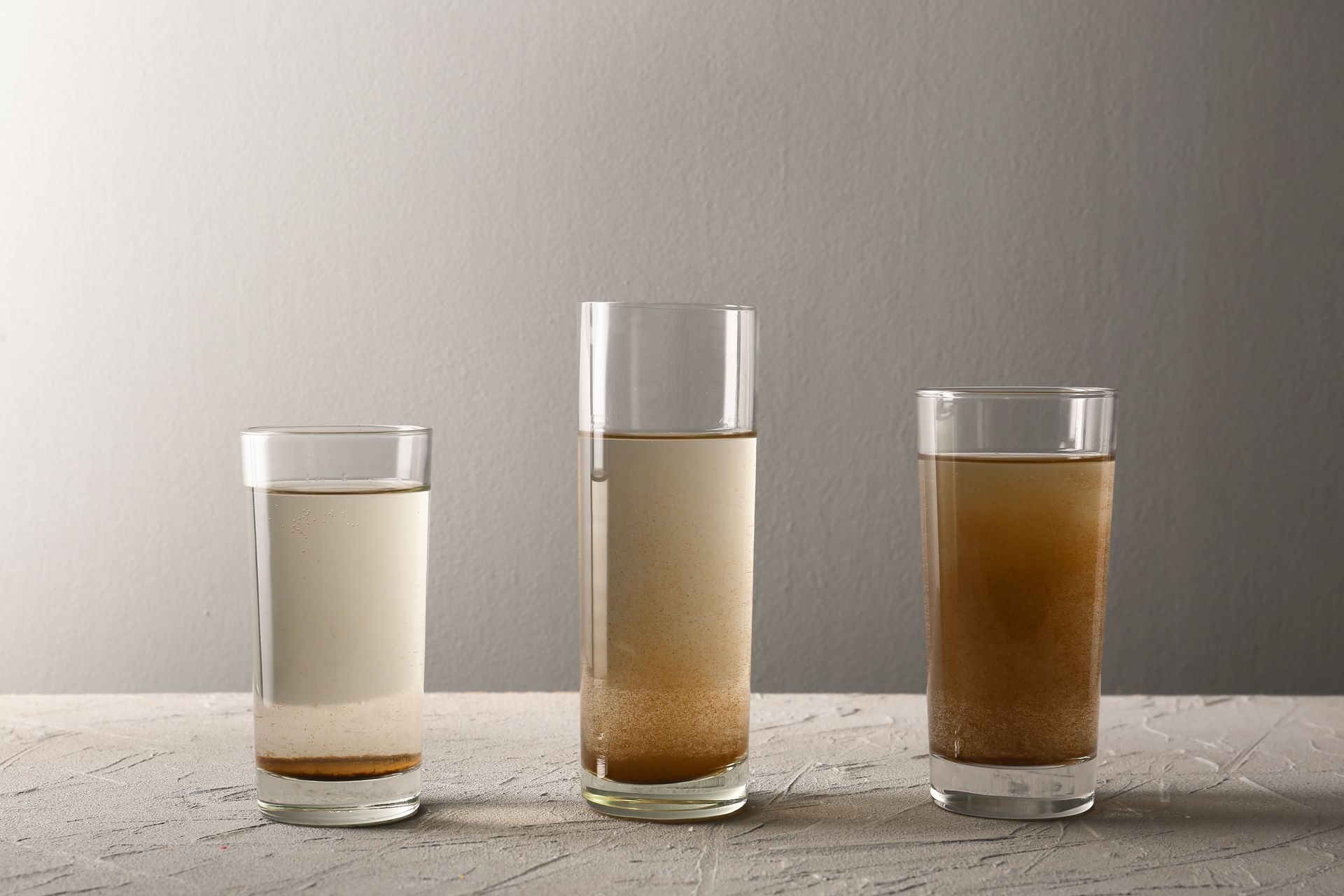
If your water suddenly becomes brown or cloudy, don't assume that simply replacing the filter will resolve the underlying issue.
Our guide,
Why Is My Well Water Suddenly Brown or Cloudy?, explains common causes of discoloration and when further testing may be necessary.
5 Signs Your Whole-House Water Filter Needs Replacing
A maintenance calendar is helpful, but changes in system performance can also indicate that your filter needs attention.
1. Water Pressure Has Decreased
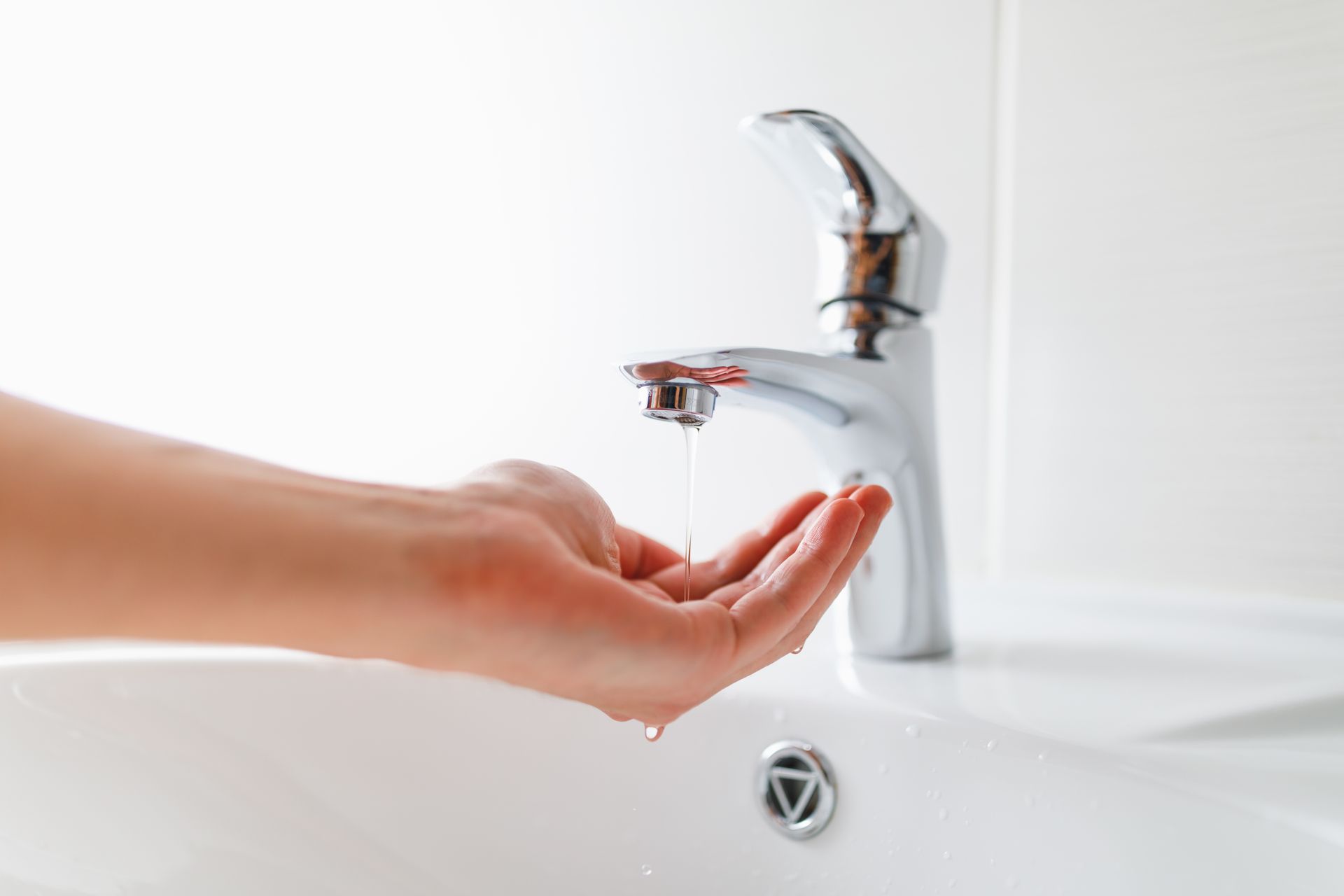
A clogged filter can restrict water flow through your home's plumbing.
You might notice weaker shower pressure, slower-filling appliances, or reduced flow when multiple fixtures operate simultaneously.
However, low water pressure can also result from plumbing restrictions, pressure tank problems, well pump issues, or other equipment concerns.
If replacing a filter according to the manufacturer's instructions doesn't resolve the problem, further evaluation may be necessary.
2. Your Water Looks Cloudy or Contains Sediment
Visible particles in sinks, tubs, or drinking water may indicate that your filter is no longer effectively capturing sediment.
The issue could involve an overloaded cartridge, damaged filter components, an improper cartridge fit, or changing source-water conditions.
A filter replacement may help, but persistent discoloration should be investigated rather than repeatedly treated with new cartridges.
3. The Filter Cartridge Is Visibly Dirty
Some whole-house filter housings allow you to observe sediment buildup.
A cartridge covered in dirt, rust-colored deposits, or other visible material may need replacement.
However, appearance alone isn't a reliable measure of remaining filter capacity.
Certain contaminants cannot be seen, and some filters may reach their rated capacity before obvious discoloration develops.
Follow the manufacturer's maintenance schedule even when the cartridge appears relatively clean.
4. Unpleasant Tastes or Odors Return
If your filtration system was designed to address particular tastes or odors, their return may indicate that the treatment media is approaching the end of its useful life.
However, changes in taste or smell can also indicate new water quality concerns.
Not every whole-house filter removes odor-causing substances, and a sediment cartridge alone is not designed to address all dissolved contaminants.
Testing can help determine whether the problem involves the filter or a change in the water supply.
5. You've Passed the Recommended Replacement Interval
Even when your water looks clear and flows normally, your filter may still be due for maintenance.
Certain filters can lose treatment capacity without producing obvious changes in water appearance.
Following the equipment manufacturer's recommended replacement interval helps maintain the system's intended performance.
What Happens If You Don't Replace a Whole-House Water Filter?
Delaying necessary filter replacement can lead to several problems.
Reduced water flow: Sediment buildup can restrict water movement through the filtration system.
Decreased filtration performance: Some filters may stop removing targeted substances effectively once their rated capacity is reached.
Additional equipment strain: Severe restrictions can affect water delivery and may contribute to problems elsewhere in the plumbing or water system.
Unnecessary maintenance expenses: Ignoring a clogged or exhausted filter may allow a relatively manageable maintenance issue to become more complicated.
A neglected filter should never be assumed to provide the same treatment performance as a properly maintained one.
For systems designed to reduce health-related contaminants, replacement and maintenance should follow the manufacturer's instructions and any applicable performance certification.
Can a Dirty Whole-House Water Filter Cause Low Water Pressure?
Yes.
A clogged whole-house sediment filter can cause low water pressure or reduced water flow throughout your home.
As particles accumulate, the filter creates greater resistance to water passing through it.
This may be especially noticeable when several fixtures are operating at once.
However, replacing the filter isn't always the complete solution.
If the cartridge becomes clogged again shortly after replacement, excessive sediment or an undersized filtration system may be contributing to the problem.
A professional evaluation can help determine whether your current
whole-house water filtration system is appropriately matched to your household's needs.
Do Well Water Filters Need More Frequent Replacement?
Homes supplied by private wells may require more frequent filter maintenance, depending on the quality of their groundwater.
Unlike municipal water systems, private wells are generally the homeowner's responsibility to monitor and maintain.
Well water can contain varying concentrations of sediment, iron, manganese, and other naturally occurring substances.
The
Centers for Disease Control and Prevention recommends testing private well water at least annually for total coliform bacteria, nitrates, total dissolved solids, and pH.
Additional testing may be needed when water quality changes.
The
U.S. Environmental Protection Agency's private well resources also provide guidance on protecting well water and recognizing potential contamination concerns.
Regular water testing helps homeowners identify changes that may affect filtration performance and maintenance needs.
Should You Replace the Filter Yourself or Call a Professional?
Some replaceable sediment cartridges are designed for homeowner maintenance.
If your system's instructions permit do-it-yourself replacement, follow the manufacturer's procedures for shutting off water, relieving pressure, replacing the cartridge, inspecting seals, and returning the system to service.
Never open a pressurized filter housing.
Professional service may be the better option if:
- You're unfamiliar with your filtration equipment.
- The housing is difficult to open or appears damaged.
- Water pressure problems continue after filter replacement.
- Your filter clogs unusually quickly.
- Your system includes backwashing controls or specialty treatment media.
- You're experiencing changes in water color, taste, or odor.
Certain treatment systems require specialized maintenance rather than simple cartridge replacement.
How Can You Make Your Whole-House Water Filter Last Longer?
The goal isn't to leave a cartridge installed beyond its recommended lifespan. Instead, proper system selection and routine maintenance can help prevent unnecessary clogging and performance problems.
A few useful practices include:
- Follow your equipment manufacturer's maintenance schedule.
- Record filter replacement dates.
- Monitor changes in water pressure and clarity.
- Arrange appropriate water testing when conditions change.
- Address excessive sediment at its source when possible.
- Use filtration equipment designed for your water conditions and household demand.
If your existing equipment requires constant attention, it may be time to evaluate whether the filtration system is correctly sized and configured.