What Causes Well Water to Suddenly Turn Brown?
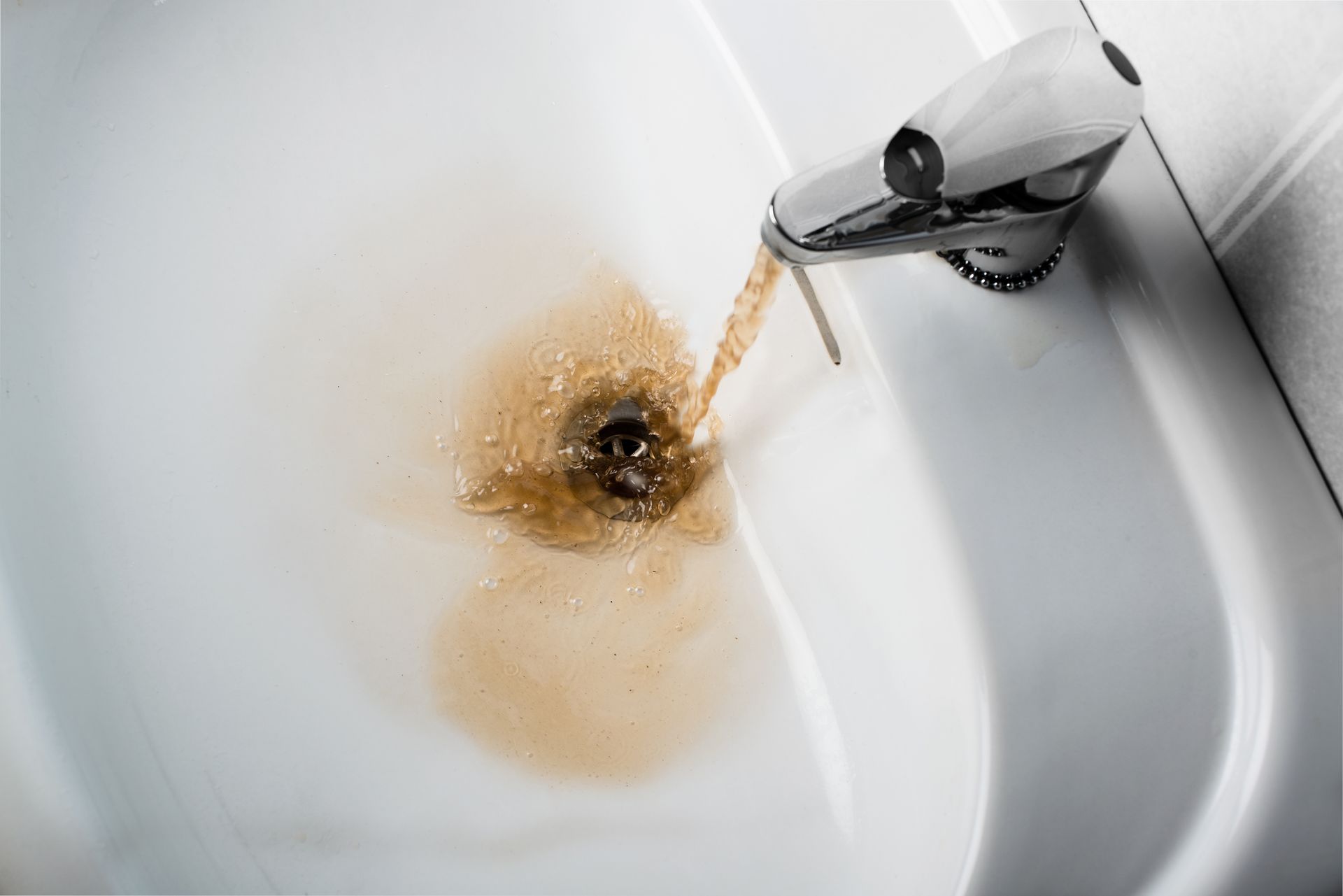
Brown well water often develops when particles or mineral deposits become suspended in the water supply. The exact cause depends on your well's condition, groundwater characteristics, plumbing, and recent changes around your property.
1. Sediment Entering the Water Supply
Sediment is one of the most common explanations for muddy or cloudy well water.
Small particles of sand, silt, clay, or other material may enter a well and travel through the household plumbing system.
Possible contributing factors include:
- Changes in groundwater levels
- Disturbances around the well
- Problems with the well casing or screen
- Sediment accumulating near the pump intake
- Changes in water flow or pumping conditions
You might notice that your water appears especially cloudy when multiple fixtures are running or after a period of heavy household water usage.
Persistent sediment can also clog fixtures, shorten filter life, and contribute to wear on water-using equipment.
A properly selected
sediment filtration system may help remove suspended particles once the source of the problem has been identified.
2. Iron and Manganese in Groundwater
Iron and manganese are naturally occurring minerals that can affect the color and appearance of private well water.
Iron may cause yellow, orange, reddish-brown, or rusty discoloration. Manganese can contribute to brown or dark-colored water and deposits.
Sometimes, water initially appears clear but develops discoloration after exposure to air. This happens when dissolved minerals oxidize and form visible particles.
However, sudden discoloration does not automatically mean iron or manganese is responsible.
Testing can help determine whether mineral concentrations are contributing to the problem or whether another issue needs attention.
Whittaker Water Tech offers
problem water treatment solutions designed to address specific water quality concerns, including iron, manganese, and sediment.
3. Recent Plumbing or Well System Work
Have you recently had a well pump repaired, plumbing replaced, or water treatment equipment serviced?
Changes in water pressure or flow can disturb sediment and mineral deposits that have accumulated inside pipes or system components.
As those particles move through the plumbing, they may temporarily discolor the water.
Although some discoloration may improve after the system stabilizes, persistent or recurring brown water should be investigated.
If the problem started immediately after well maintenance, contact the professional who performed the work to determine whether additional inspection or water testing is necessary.
4. Heavy Rainfall and Groundwater Changes
Heavy rain, flooding, and significant changes in groundwater conditions can affect private wells.
Water moving through soil and surrounding rock may carry sediment or introduce contaminants, particularly when a well has structural vulnerabilities.
Discoloration that appears after a major storm deserves attention because surface water intrusion can introduce bacteria and other unwanted substances.
The
U.S. Environmental Protection Agency's guidance for protecting private well water recommends additional testing when water quality changes or significant environmental conditions affect the area around a well.
If flooding has affected your well, do not assume the water is safe simply because it eventually becomes clear.
5. Well Pump or Well Component Problems
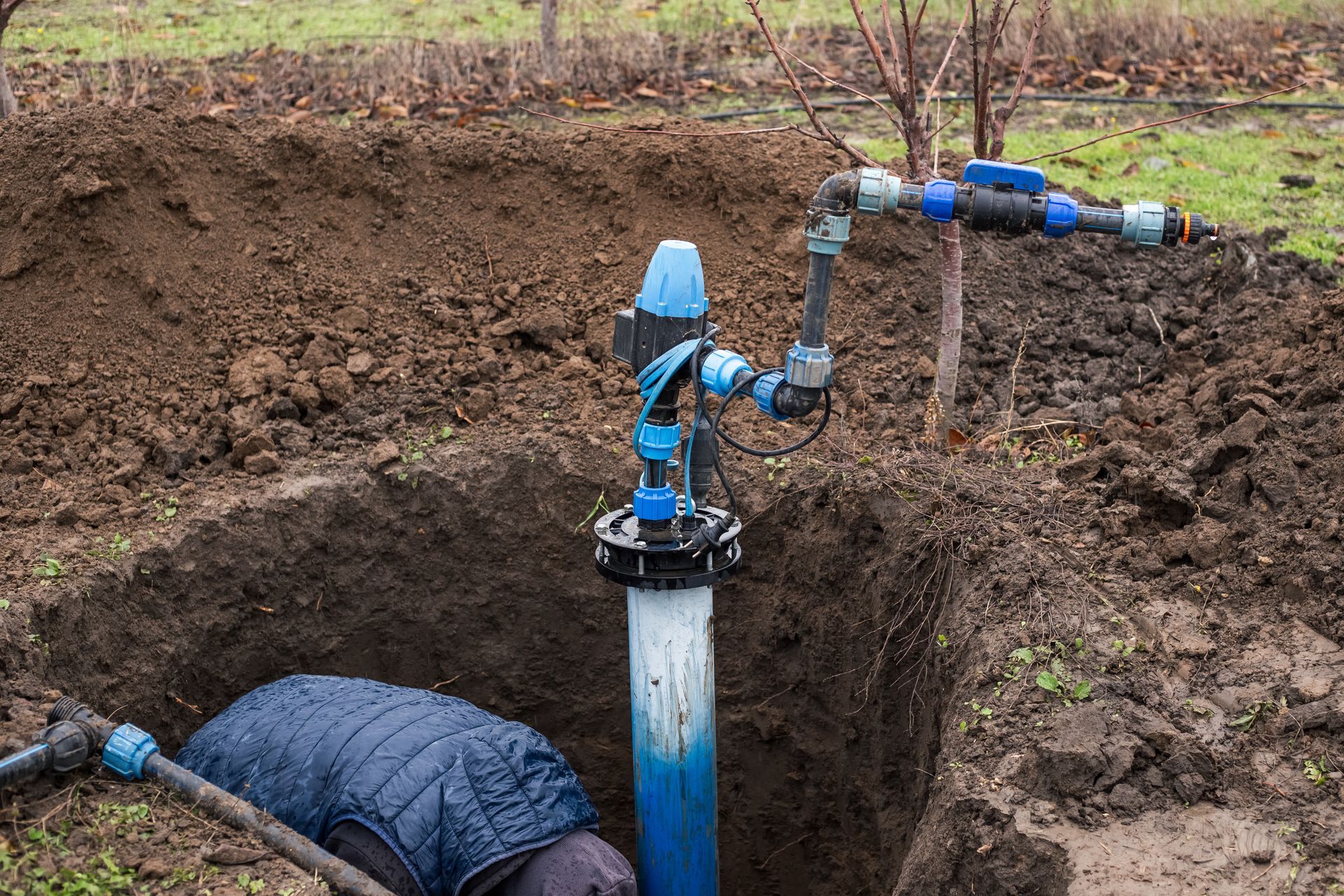
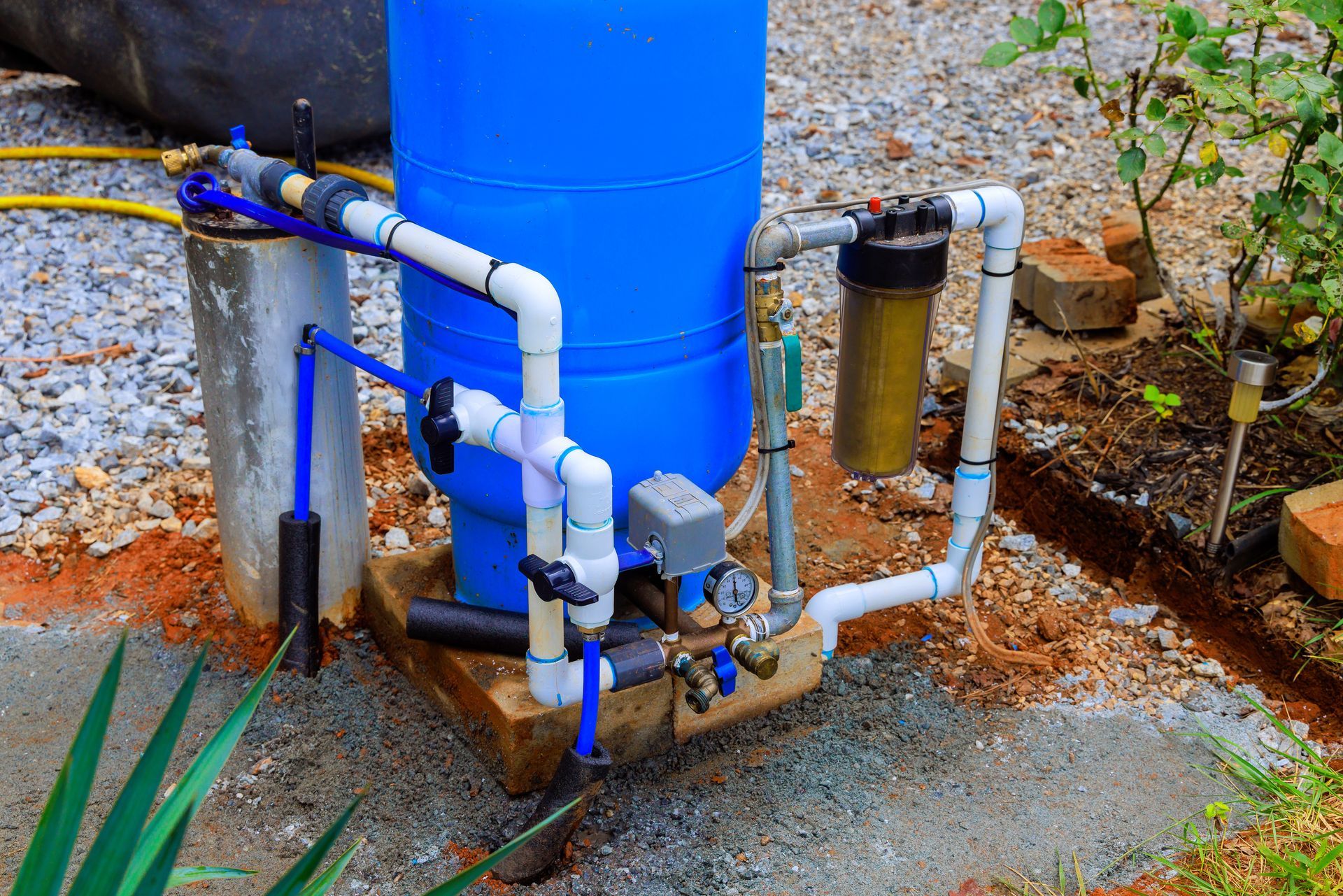
Your well pump plays an important role in delivering groundwater to your home.
If a pump is positioned too close to accumulated sediment, or if well components have deteriorated, particles may enter the water supply.
Other warning signs of a possible well system problem include:
- Unusual changes in water pressure
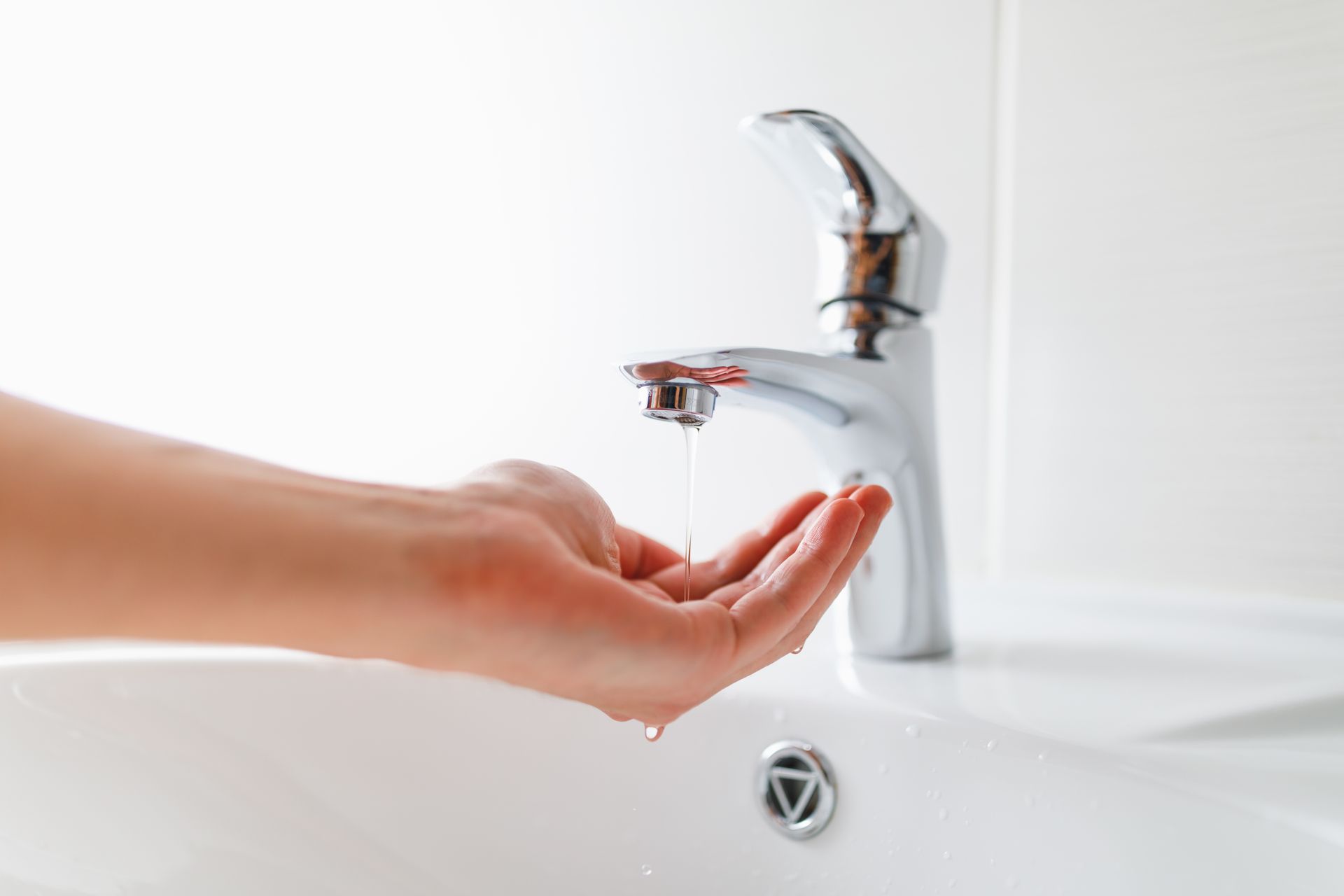
- Faucets sputtering or releasing air
- Water becoming muddy during extended use
- Frequent pump cycling
- Recurring sediment in fixtures or filters
These symptoms do not always mean the pump needs replacement. A professional inspection can help determine whether the issue involves the pump, well structure, plumbing, or water quality.
Why Does My Well Water Look Cloudy but Not Brown?
Cloudy well water can have several causes, including fine sediment, mineral particles, and tiny air bubbles.
One useful observation is whether the cloudiness disappears shortly after filling a clear glass.
If the water looks milky at first but clears from the bottom upward, trapped air may be responsible.
If particles settle at the bottom, sediment may be present. If discoloration develops or remains, minerals or other suspended material may be involved.
These observations can provide clues, but they cannot confirm whether your water is safe to drink.
A change in clarity should still be evaluated, particularly if it is sudden, persistent, or accompanied by unusual odors or pressure problems.
Is Brown or Cloudy Well Water Safe to Drink?
You cannot determine whether well water is safe to drink based on its color alone.
Some forms of discoloration are associated with sediment or minerals that primarily affect appearance and household plumbing. However, harmful bacteria and chemical contaminants may also be present, even when water looks completely clear.
If your well water suddenly changes color and contamination is possible, avoid using it for drinking, cooking, brushing teeth, or preparing infant formula until appropriate testing confirms its safety. Use bottled water or another verified safe source in the meantime.
Boiling is not a universal solution because it does not remove chemical contaminants.
According to the
Centers for Disease Control and Prevention's well water testing guidelines, private well owners should test their water at least annually for total coliform bacteria, nitrates, total dissolved solids, and pH.
Additional testing is recommended when water changes in color, taste, or smell.
How Can You Identify the Cause of Brown Well Water?
If your water suddenly becomes discolored, a few observations can help narrow down the possibilities before scheduling professional service.
Check Whether the Problem Affects Hot and Cold Water
Run separate hot and cold water taps and observe whether the discoloration appears in both.
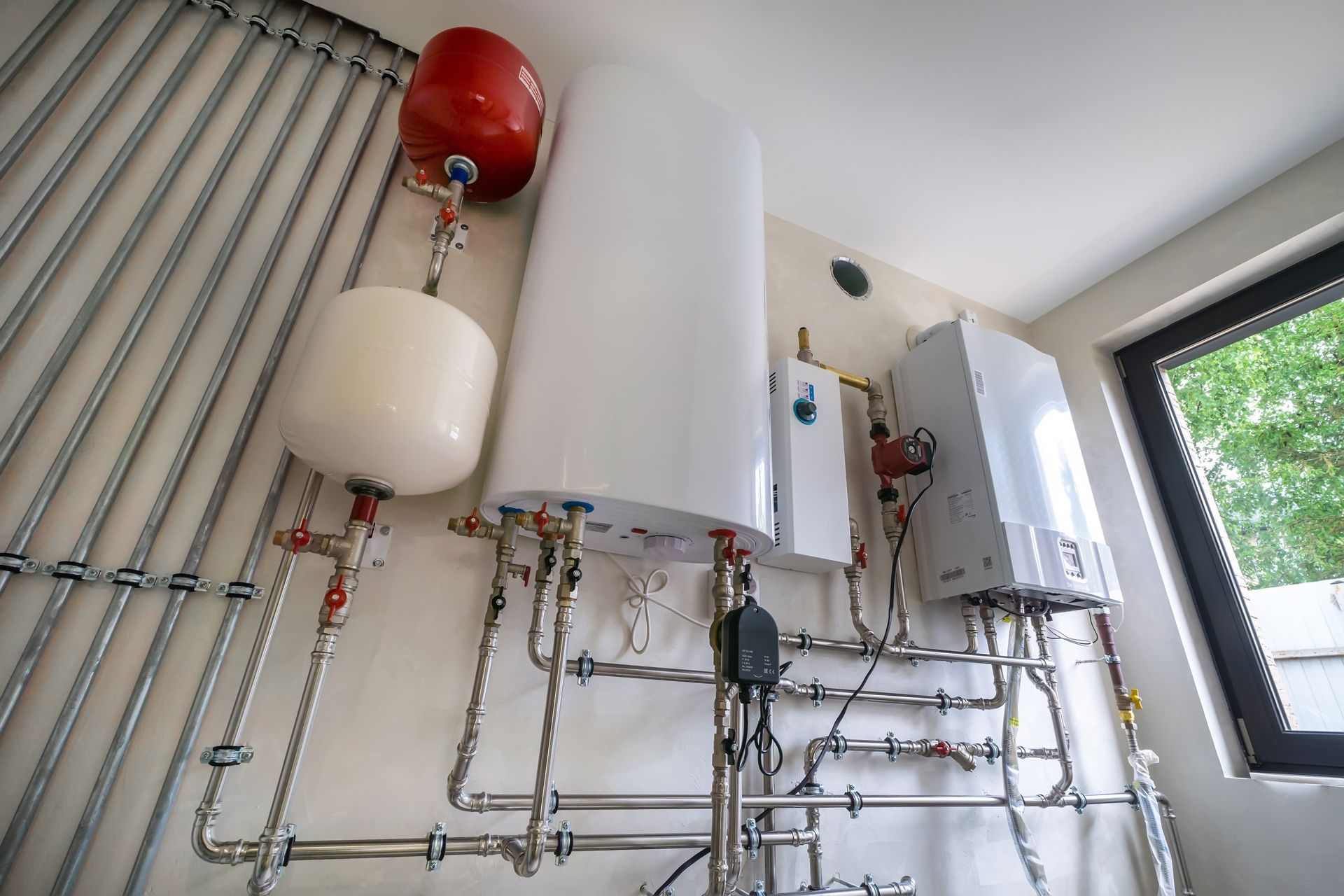
If only hot water is affected, the water heater or hot-water plumbing may be contributing to the problem.
If both hot and cold water are discolored throughout the home, the well supply, filtration equipment, or main plumbing system may need evaluation.
Determine Whether Multiple Faucets Are Affected
Check more than one fixture.
Discoloration at a single faucet may indicate a localized plumbing issue, while discoloration throughout the house may point toward a broader water supply problem.
Note When the Discoloration Started
Think about recent events such as:
- Heavy rain or flooding
- Plumbing repairs
- Well pump maintenance
- Changes in household water usage
- Unusual water pressure
- Nearby excavation or construction
These details can help a professional identify potential causes more efficiently.
Schedule Appropriate Water Testing
Visual observations alone cannot identify every contaminant.
Professional water evaluation can help identify common mineral and sediment concerns, while certified laboratory testing is necessary to evaluate potential health-related contaminants.
Whittaker Water Tech provides
well water testing and analysis to help homeowners better understand their water quality and determine appropriate next steps.
Can a Whole-House Water Filter Fix Brown Well Water?
A whole-house filtration system may improve discolored water, but the correct treatment depends on what is causing the problem.
For example:
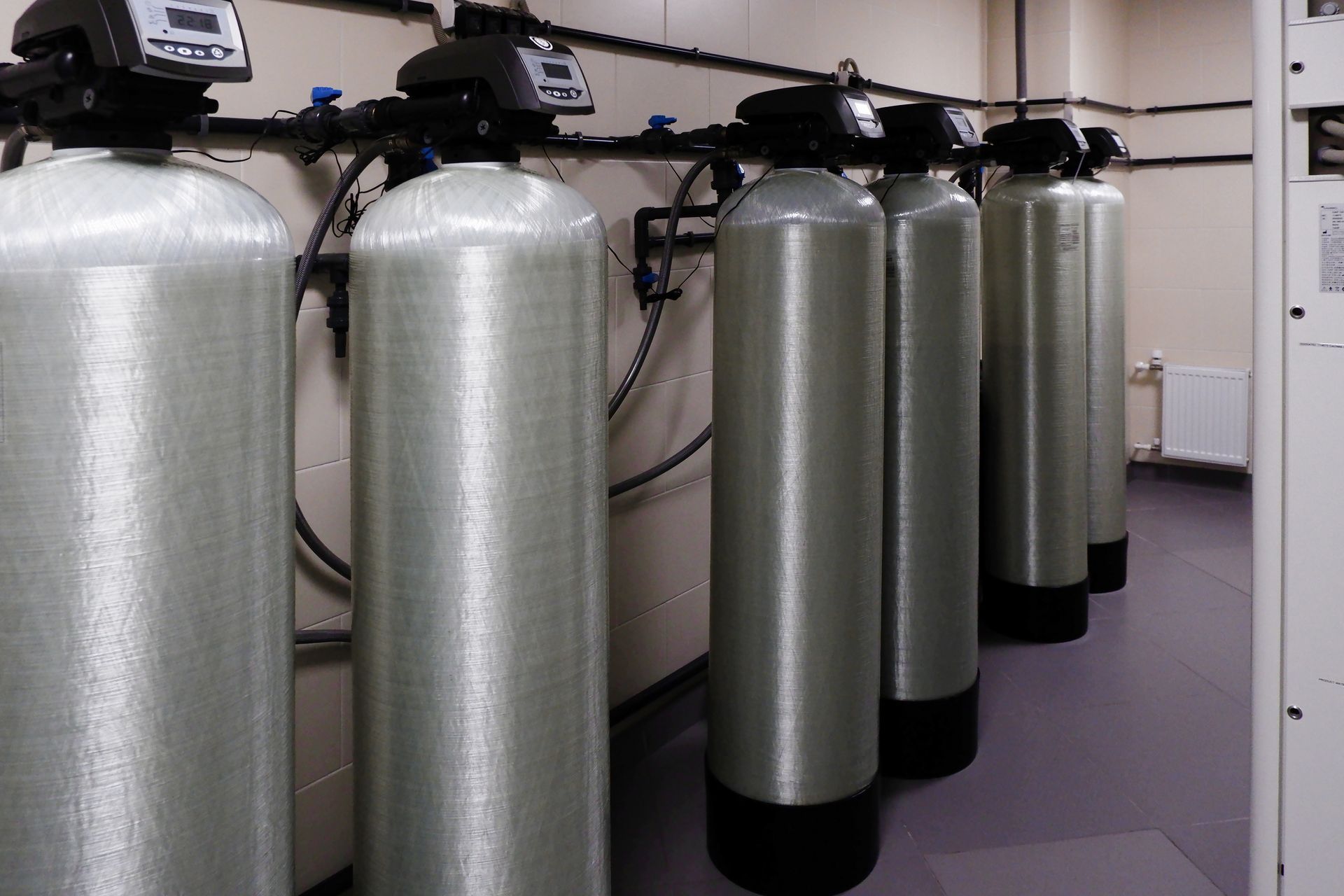
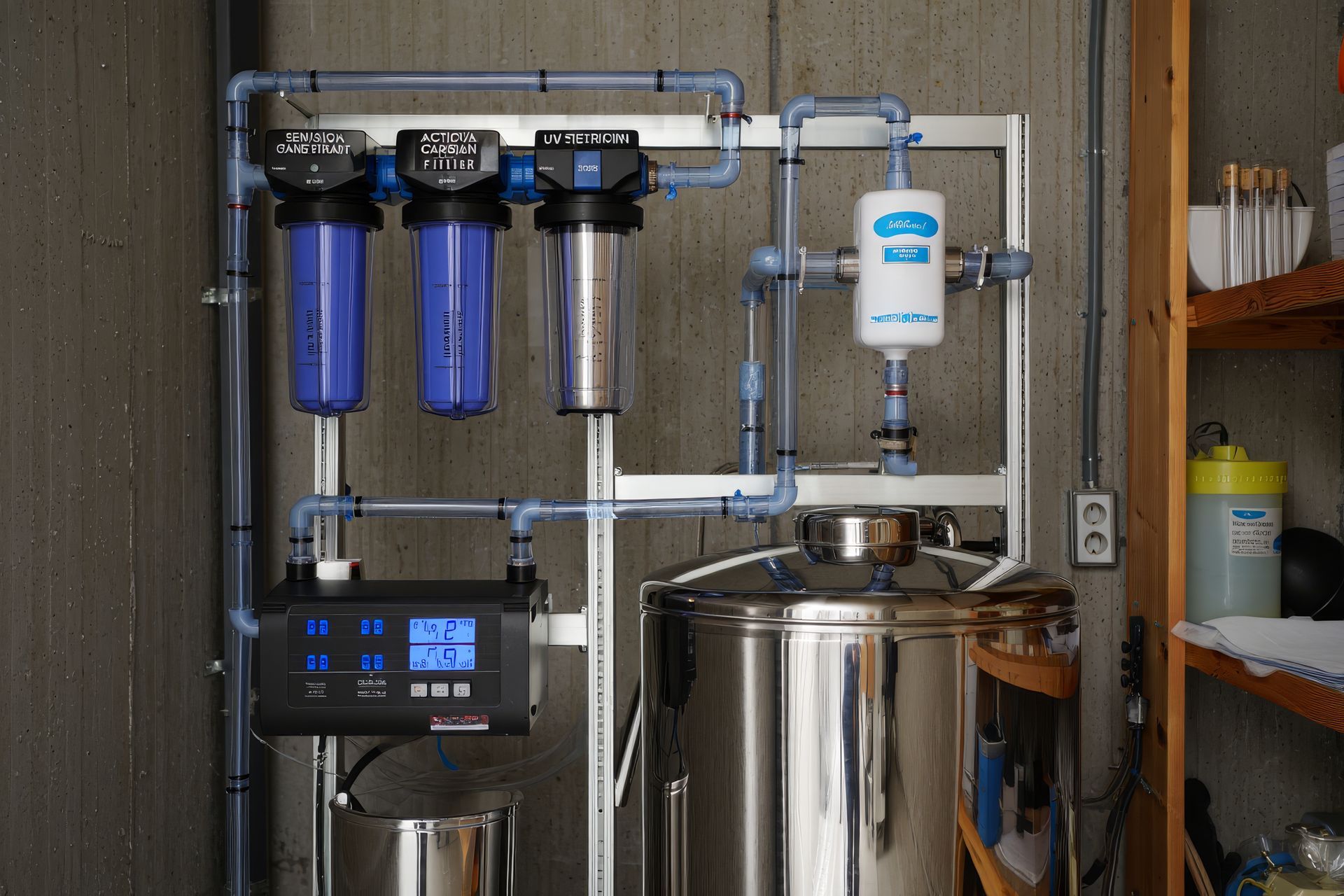
- Sediment filtration can capture suspended particles such as sand, silt, and rust.
- Iron and manganese treatment may address certain dissolved or particulate minerals.
- Specialty water treatment systems can target specific water quality concerns identified through testing.
- Well or plumbing repairs may be necessary when discoloration originates from damaged equipment or system components.
Not every filtration system removes bacteria, dissolved chemicals, or other health-related contaminants.
Installing a filter without identifying the underlying cause can leave the original problem unresolved.
Whittaker Water Tech offers
whole-house water filtration systems designed around the conditions of each home's water supply.
When Should You Call a Water Treatment Professional?
Consider scheduling an evaluation if:
- Brown or cloudy water appears suddenly without an obvious explanation.
- Discoloration continues or repeatedly returns.
- Sediment collects in sinks, tubs, or filter cartridges.
- Water pressure changes alongside discoloration.
- Your well water changes after heavy rainfall or flooding.
- Your existing filtration equipment is no longer performing as expected.
If you suspect contamination, contact your local health department for guidance on appropriate certified laboratory testing and safe water use.
A professional can also evaluate whether your water treatment equipment, plumbing, or well system needs attention.